
Pruning
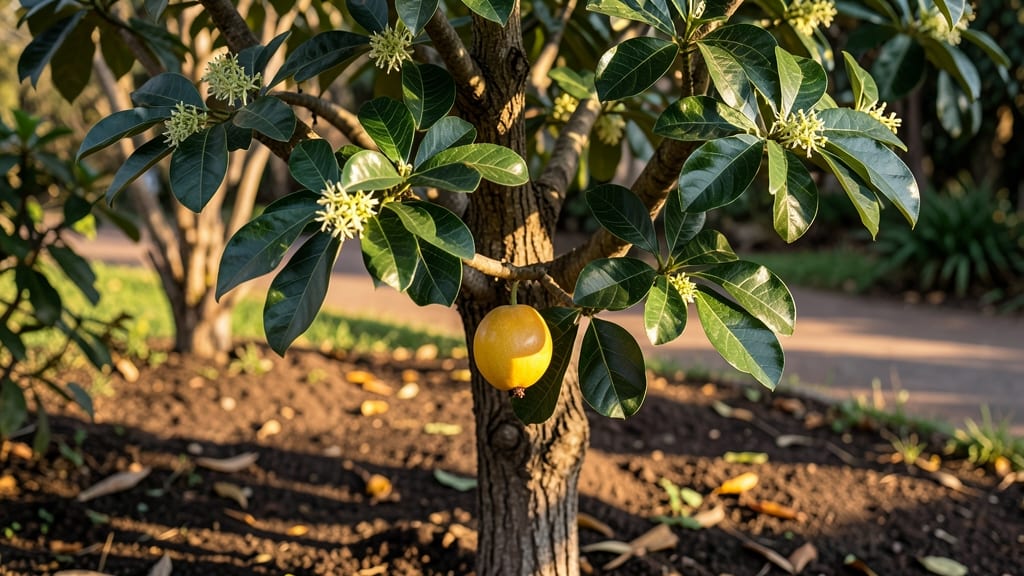
Growing Indian tree fruits like mangoes and guavas in small spaces is easier than you think—especially when you use these year-round hacks for compact growth. 🌱 I’ve turned my balcony into a mini tropical oasis by choosing dwarf varieties and training them along trellises, proving you don’t need acres to enjoy fresh fruit straight from your own plot.
The key is matching the right fruit to your climate and giving it the care it craves in hot, humid conditions.
Start with well-draining soil mixed with compost—these trees hate soggy roots—and plant in containers at least 15 gallons for dwarf varieties. Most Indian tree fruits thrive in full sun (6+ hours daily), but younger plants appreciate afternoon shade during scorching summers.
Water deeply 2-3 times a week, letting the top inch of soil dry out between sessions to mimic the natural monsoon rhythm. Pruning isn’t just about shaping; it’s about airflow to prevent fungal diseases that plague these tropical beauties.
By late summer, you’ll see the first blossoms appear—tiny, fragrant flowers that promise sweet rewards. Guavas ripen in 3-4 months, while mangoes take 6-9 months from flower to fruit, but the wait is worth it for that first juicy bite.
The real magic happens when you harvest at peak ripeness: guavas soften slightly, and mangoes release easily with a gentle twist. Store them at room temperature for 2-3 days or refrigerate to extend their shelf life.
Even in small spaces, these trees adapt beautifully—whether you’re growing them in pots on a patio or training them against a fence. The biggest mistake? Overwatering or ignoring pests like fruit flies.
Keep an eye out for yellowing leaves (a sign of overwatering) or small holes in fruit (fruit borers), and act fast. With the right care, your compact Indian tree fruit garden will become the envy of the neighborhood—no backyard required.
📚 In This Guide
- What you need
- Instructions
- Tips and common mistakes
- Wrapping up and next steps
What you need
- ● Indian tree fruit saplings: Choose disease-resistant varieties (e.g., Alphonso mango, Dasheri mango, or jamun). Quantity: 1-3, depending on space.
- ● Pruning tools: Bypass pruners (for clean cuts) – 1 pair
- ● Loppers (for thicker branches) – 1 pair
- ● Pruning saw (for large branches) – 1
- ● Gloves (cut-resistant) – 1 pair
- ● Potting mix: Well-draining, organic-rich soil (or coconut coir + perlite mix) – 5-10 lbs.
- ● Fertilizer: Balanced NPK (10-10-10) or organic compost – 1-2 lbs.
- ● Mulch: Straw or wood chips – 2-3 inches thick.
- ● Tree staking kit (for young saplings) – 1-2 stakes.
- ● Disinfectant spray (for pruning tools) – small bottle.
- ● Drip irrigation system (for water efficiency) – adjustable to tree size.
- ● Pest control spray (neem oil or organic alternatives) – as needed.
- ● Sunlight access: 6+ hours of direct sunlight daily (south-facing is ideal!).
- ● Space: Minimum 10-15 ft diameter for mature trees (dwarf varieties work in smaller pots!).
- ● Water source: Consistent moisture (but no waterlogging!).
- ● Local climate check: Ensure your zone supports the fruit type (e.g., jamun thrives in tropical regions).
How to grow Indian tree fruit in small spaces
Turn your patio or balcony into a tropical oasis with these space-smart techniques.
🌱 Step 1: Select the Right Variety for Containers
Indian tree fruit—like sapodilla, jackfruit, or breadfruit—thrives in warm climates but needs careful variety selection for containers. Choose dwarf varieties or grafted trees labeled "container-friendly" (look for tags specifying 6-8 feet mature height). These stay manageable in 15-20 gallon pots and produce fruit within 3-5 years.
Breadfruit is the easiest for beginners—its vigorous growth fills space quickly, while sapodilla needs slightly cooler conditions. Avoid full-sized trees; their root systems outgrow containers in 2-3 years. I always check the plant tag for "dwarf" or "patio" labels before buying, as these are bred for limited spaces.
☀️ Step 2: Position for Year-Round Sun and Shelter
Indian tree fruits need 6+ hours of direct sun daily, but they also hate cold drafts. Place pots in a south-facing spot where they receive morning sun and afternoon shade during summer (to prevent leaf scorch). If you're in a cooler climate, move containers indoors during winter or wrap them in frost cloth for temperatures below 50°F.
Here's the thing—these trees are tropical but not heat-tolerant like cacti. In summer, watch for leaves curling or turning yellow; that's your cue to provide afternoon shade. I use a sheer curtain on the west side of my balcony to diffuse intense afternoon rays while keeping morning light strong.
💧 Step 3: Water Deeply and Maintain Moisture
Water when the top 2 inches of soil feel dry—stick your finger in the pot to check. These trees hate soggy roots but also can't handle drought. In summer, you'll water every 2-3 days; in winter, every 7-10 days. Always water at the base to avoid fungal issues on leaves.
I use a self-watering pot with a reservoir to keep moisture consistent. If you don't have one, add 2 inches of mulch (like pine bark) to the soil surface to slow evaporation. Overwatering is the #1 killer—yellow leaves or mushy stems mean you're drowning the roots.
✂️ Step 4: Prune for Shape and Fruit Production
Prune in late winter to remove dead branches and shape the tree. Cut back any leggy growth to encourage bushier, fruit-bearing branches. Use clean, sharp pruners to make cuts just above a leaf node. For young trees, I limit pruning to 10-15% of the foliage to avoid stress.
Watch for suckers (small shoots at the base)—remove these immediately, as they drain energy from fruit production. After pruning, give the tree a balanced fertilizer (like 10-10-10) to support new growth. You'll see stronger branches and more flowers within 4-6 weeks.
🌿 Step 5: Fertilize for Fruit Development
Feed every 4-6 weeks during growing season (spring through fall) with a high-potassium fertilizer (like 5-10-10) to encourage fruiting. In winter, reduce to every 8-10 weeks or switch to a slow-release granular fertilizer. Over-fertilizing burns roots—always follow package rates.
I mix in 1 cup of compost every other feeding to improve soil structure. You'll know fertilization is working when new leaves appear bright green and healthy. If leaves turn brown at the edges, you're overdoing it—flush the soil with water to leach excess salts.
Tips & tricks for perfect Indian tree fruit growth in small spaces
These simple strategies will help you maximize your harvest without sacrificing space or health.
Variety Selection: When choosing between sapodilla, jackfruit, or breadfruit, prioritize grafted trees over seed-grown ones—they fruit faster and stay more compact. For example, I've found that grafted breadfruit varieties produce fruit in as little as 2 years, while seed-grown trees can take 5+ years. Look for tags specifying "dwarf" or "patio" varieties, as these are specifically bred to thrive in containers up to 20 gallons.
Sunlight Strategy: The 6+ hours of direct sun requirement is non-negotiable, but timing matters just as much. Position your pots to capture morning sun (which is less intense) and provide afternoon shade using a sheer curtain or mesh screen. This prevents leaf scorch while still giving your tree the light it needs. I've seen dramatic differences in leaf health when I moved my sapodilla tree from full afternoon sun to partial shade during peak summer hours.
Watering Wisdom: The "top 2 inches dry" rule works, but there's a trick to prevent overwatering: use a moisture meter or stick your finger 2 inches deep before watering. In summer, I water every 2-3 days at the base while avoiding the leaves to prevent fungal issues. For winter care, reduce to every 7-10 days and always check the soil first—these trees are drought-sensitive but can't tolerate soggy roots.
Pruning Payoff: That 10-15% pruning limit in Step 4 is crucial for young trees, but don't be afraid to prune more aggressively after the first few years. I prune my jackfruit tree in late winter to remove any leggy growth that's competing with fruit-bearing branches. The key is to make clean cuts just above a leaf node, which encourages bushier growth and more flowers within those 4-6 weeks.
Pro Tips for Indian Tree Fruit
- These simple strategies will help you maximize your harvest without sacrificing space or health.
- Variety Selection: When choosing between sapodilla, jackfruit, or breadfruit, prioritize grafted trees over seed-grown ones—they fruit faster and stay more compact.
- Sunlight Strategy: The 6+ hours of direct sun requirement is non-negotiable, but timing matters just as much.
Frequently asked questions
Got questions about growing Indian tree fruits in compact spaces? You’re not alone! Here are answers to the most common queries to help you cultivate a thriving harvest with ease.
What’s the best Indian tree fruit for small gardens or containers?
Opt for dwarf varieties like Citrus reticulata (mandarin oranges) or Psidium guajava (guava). These adapt well to pots (15–20 gallons) and thrive in sunny spots with proper drainage. Prune regularly to control size and encourage fruit production!
How long does it take for Indian tree fruits to bear fruit?
Most Indian tree fruits take 2–5 years to bear fruit, depending on the variety and care. Dwarf citrus or guava trees may fruit sooner (1–3 years) if given full sun, well-draining soil, and consistent watering. Patience pays off—healthy trees reward you with abundant harvests!
What’s the ideal watering schedule for Indian tree fruits in pots?
Water when the top 1–2 inches of soil feel dry—usually 2–3 times per week in hot climates, less in cooler months. Avoid soggy soil (root rot risk!). Mulch around the base to retain moisture. Pro tip: Use a moisture meter for precision!
Can I grow Indian tree fruits indoors year-round?
Yes, but with caveats! Place them near a south-facing window or under grow lights (12+ hours/day). Temperatures should stay 60–85°F. Expect slower growth and smaller fruit. For best results, move outdoors in spring/summer for sun exposure.
What pests should I watch for, and how do I treat them?
Common pests include aphids, mites, and fruit flies. Treat with neem oil or insecticidal soap for mild infestations. For fruit flies, use traps or yellow sticky cards. Preventative tip: Inspect leaves weekly and remove damaged fruit promptly!
Do Indian tree fruits need a winter dormancy period?
Most tropical varieties (like mango or guava) don’t need dormancy, but citrus may benefit from cooler temps (50–60°F) to set fruit. In cold climates, move potted trees indoors or use frost cloth. Bonus: Prune lightly in late winter to stimulate new growth!
Wrapping up and next steps
Indian tree fruit—like mangoes, jackfruit, and guavas—can turn even the smallest balcony or backyard into a tropical paradise! 🌿 With the right pruning techniques, you’ll enjoy year-round harvests while keeping your trees healthy and compact.
Whether you’re a beginner or a seasoned gardener, these hacks make it easier than ever to nurture your fruit trees.
Ready to take the next step? Start by selecting a young sapling or a well-established tree, grab your pruning tools, and begin shaping it with confidence. Your future harvests are just a trim away! 🍈✨