
Pruning
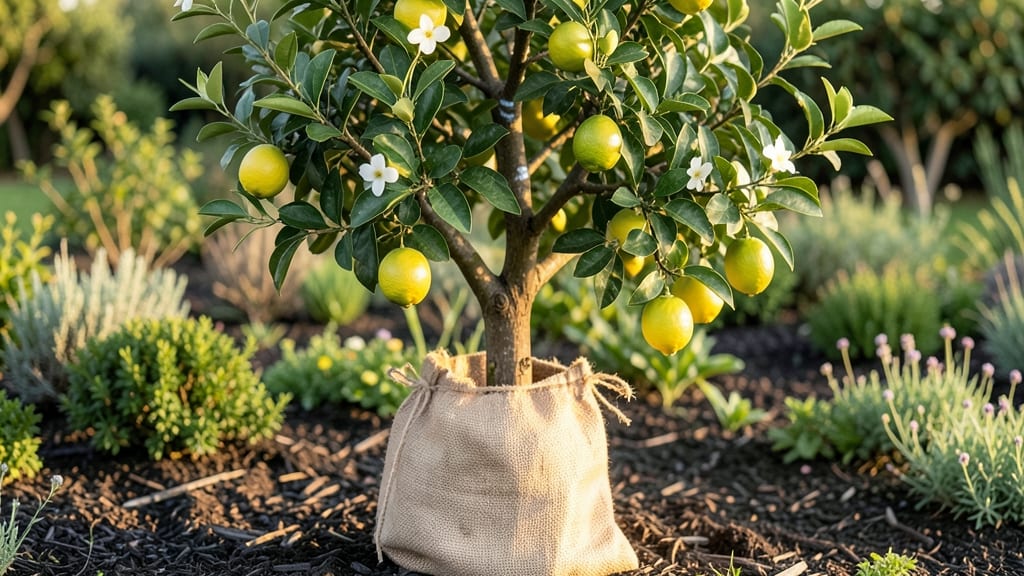
Wrapping your lemon tree for winter isn’t just about survival—it’s about preserving that glossy foliage and next year’s harvest when temperatures dip below 28°F. 🌿 I’ve seen firsthand how a simple burlap wrap can mean the difference between a scraggly spring recovery and a tree that bursts back to life with vibrant new growth by March.
The right technique keeps frost at bay while protecting tender branches from windburn and moisture loss.
You’ll need burlap or frost cloth, twine or zip ties, and a few hours on a calm day—no fancy tools required. The key is timing: wrap after the first frost but before sustained freezing, typically in late fall for most USDA zones 9-11.
A loose, breathable wrap lets air circulate while trapping just enough warmth to shield the tree’s delicate bark and leaves from ice crystals that can crack branches or cause dieback.
What you’ll get is a tree that sleeps safely through winter and wakes up ready to fruit. The wrap also shields against sun scald, where winter sun warms bark too quickly, and prevents snow from breaking branches.
By late winter, when daytime temps consistently stay above freezing, you’ll remove the wrap to let the tree acclimate—just don’t rush it, or you’ll risk shock when buds start to swell.
This method works for potted lemon trees too—just add extra insulation around the container’s edges. And if you’re in a colder zone (below 9), consider moving potted trees indoors or to a garage during the worst months.
The payoff? A lemon tree that thrives year after year instead of struggling to recover from winter damage.
📚 In This Guide
- What you need
- Instructions
- Tips and common mistakes
- Wrapping up and next steps
What you need
- ● Burlap or frost cloth – Choose a breathable material (at least 5–10 feet wide and 10–15 feet long, depending on tree size). Burlap is ideal for airflow, while frost cloth offers extra protection.
- ● Staple gun + staples – A heavy-duty staple gun (or a garden stapler) to securely fasten the wrap. Avoid nails—they can damage the tree!
- ● Twine or zip ties – For securing loose ends or reinforcing weak spots. Jute twine or plastic zip ties work well.
- ● Pruners or sharp scissors – To trim any dead/damaged branches before wrapping.
- ○ Support stakes (optional but helpful) – 4–6 wooden or metal stakes (1–2 inches in diameter) to prop up the wrap if needed.
- ● Insulation sheets – Reflective bubble wrap or cardboard (cut to fit) for added warmth behind the burlap.
- ● Tree ties or soft cloth strips – To gently bundle branches if they’re sprawling.
- ● Waterproof sealant – A spray-on silicone (like Tree Seal) to seal gaps if using cardboard.
- ● Mulch (straw or pine needles) – Spread a 2–3 inch layer around the base to insulate roots.
Step-by-step instructions for wrapping a lemon tree for winter
Here's the foolproof method I use every year to protect my lemon tree from frost damage.
🪴 Step 1: Gather the Right Wrapping Materials
You don't need anything fancy—just a few simple supplies that create an insulating barrier. I use burlap sacks (one for each tree) and tree wrap (available at garden centers) for the trunk. If you don't have burlap, old bedsheets or frost cloth work too. The key is breathability—plastic suffocates the tree and causes rot.
Measure your tree's height and width to determine how much material you'll need. A standard 10-foot tree needs about 20 feet of tree wrap for the trunk and a 12x12-foot burlap sack for the canopy. Cut the burlap to fit loosely over the branches—it should drape like a tent but not touch the leaves.
🌿 Step 2: Wrap the Trunk for Protection
Start at the base of the trunk and wrap the tree wrap tightly in a spiral, overlapping each turn by 2 inches. This protects the bark from cracking in freezing temperatures. I always leave a 2-inch gap at the top—this prevents moisture buildup, which can lead to fungal issues. Secure the wrap with zip ties or duct tape (avoid plastic tape—it can damage the bark when removed).
Pay special attention to the graft union (the bump where the scion was attached). This is the most vulnerable part of citrus trees and needs extra protection. Use an additional layer of wrap around this area, making sure it's snug but not constricting.
❄️ Step 3: Cover the Canopy to Trap Heat
Once the trunk is wrapped, drape the burlap sack over the entire tree like a loose tent. Secure it at the base with rope or twine, but leave the top open—this allows heat to rise and protects against frost while preventing moisture buildup. If your tree is tall, you may need to stake the burlap to keep it from sagging under snow or ice.
This method works because burlap allows air circulation while trapping warmth near the tree. You'll notice the ground around the tree stays slightly warmer on cold mornings—this is the insulation at work. Avoid plastic covers, which trap too much moisture and can scorch leaves in sunlight.
⏰ Step 4: Monitor and Adjust Through the Season
Check your tree every 2-3 weeks during winter to ensure the wrap hasn't loosened or shifted. If snow accumulates on the burlap, gently brush it off to prevent excess weight. I also remove the wrap on mild days (above 40°F) to let the tree breathe and avoid mold buildup.
If a hard freeze is forecasted (below 25°F), add an extra layer of straw or mulch around the base of the tree. This creates a 3-inch insulating barrier that helps regulate soil temperature. Remove the mulch in early spring once the threat of frost has passed.
Tips & tricks for perfect lemon tree winter wrapping
These little details make all the difference between a tree that survives winter and one that thrives through it.
Material Selection Matters: When choosing alternatives to burlap, frost cloth is your best bet—it's specifically designed to allow air circulation while blocking frost. Avoid anything synthetic like plastic sheeting, which can trap moisture and cause fungal growth. I've learned this the hard way after seeing trees develop mold under plastic covers. For the trunk wrap, look for tree wrap with a rubberized backing—it sticks better and won't slip during windy conditions.
Graft Union Protection: The graft union (that little bump on the trunk) is citrus trees' most vulnerable spot. Don't just wrap it—give it special attention by using an extra layer of wrap or even a small piece of foam insulation wrapped around it. I've seen graft unions split during harsh winters when they weren't properly protected. This extra step often determines whether your tree makes it through winter unscathed.
Snow Management Strategy: Snow accumulation on the burlap canopy can create dangerous weight. Instead of waiting for snow to build up, I recommend gently brushing it off every few days during heavy snowfall. You can also angle the burlap slightly to help snow slide off more easily. This prevents the branches from breaking under the weight while maintaining insulation.
Pro Tips for Wrap A Lemon Tree For Winter
- These little details make all the difference between a tree that survives winter and one that thrives through it.
- Material Selection Matters: When choosing alternatives to burlap, frost cloth is your best bet—it's specifically desi...
- Graft Union Protection: The graft union (that little bump on the trunk) is citrus trees' most vulnerable spot. Don't ...
Frequently asked questions
Got questions about wrapping your lemon tree for winter? You’re not alone!
Here are some of the most common concerns—and their answers—to help you prep like a pro.
When is the best time to wrap a lemon tree for winter?
Wrap your lemon tree before the first hard frost hits your area—usually late fall (October–November in most climates). If temps dip below 30°F (-1°C), the tree is at risk. Unwrap it in early spring once frost danger passes to avoid trapping moisture.
How cold can a wrapped lemon tree tolerate?
A properly wrapped lemon tree can survive brief dips to 20–25°F (-6 to -4°C), but prolonged exposure below 15°F (-9°C) may still damage branches. For extreme winters, consider moving potted trees indoors or adding extra insulation (like bubble wrap or frost cloth).
Can I reuse wrapping materials year after year?
Yes! Burlap, frost cloth, and even old blankets can be reused for 3–5 years if stored clean and dry. Just inspect for tears or mold before rewrapping. Avoid plastic wraps long-term—they trap moisture and can rot bark.
What if my lemon tree is in a pot? Does wrapping work the same?
Potted lemon trees need extra care. Wrap the trunk and branches, but also move the pot to a sheltered spot (like a garage or against a sunny wall). If temps drop below 25°F (-4°C), consider insulating the pot with bubble wrap or a thick blanket.
My wrapped tree looks sad—wilting or brown spots. What went wrong?
Overwatering or poor airflow under the wrap can cause rot or fungal issues. Check for:
- Moisture buildup: Unwrap briefly to air out the tree.
- Tight wrapping: Loosen if branches look constricted.
- Pests: Inspect for spider mites or scale under the wrap.
Wrapping up and next steps
Wrapping your lemon tree for winter is a simple yet powerful way to protect it from harsh frosts and keep it thriving for years to come! 🌿 With the right materials—like burlap, frost cloth, or even old blankets—and a few easy steps, you’ll give your tree the cozy insulation it needs.
Remember, consistency is key: check on your tree regularly, especially during unexpected cold snaps, and adjust the wrap if needed.
Now that you’re armed with the know-how, go ahead and give your lemon tree the winter care it deserves! Next, consider pruning in early spring to encourage new growth and maximize fruit production. Happy gardening! 🌟