
Pruning
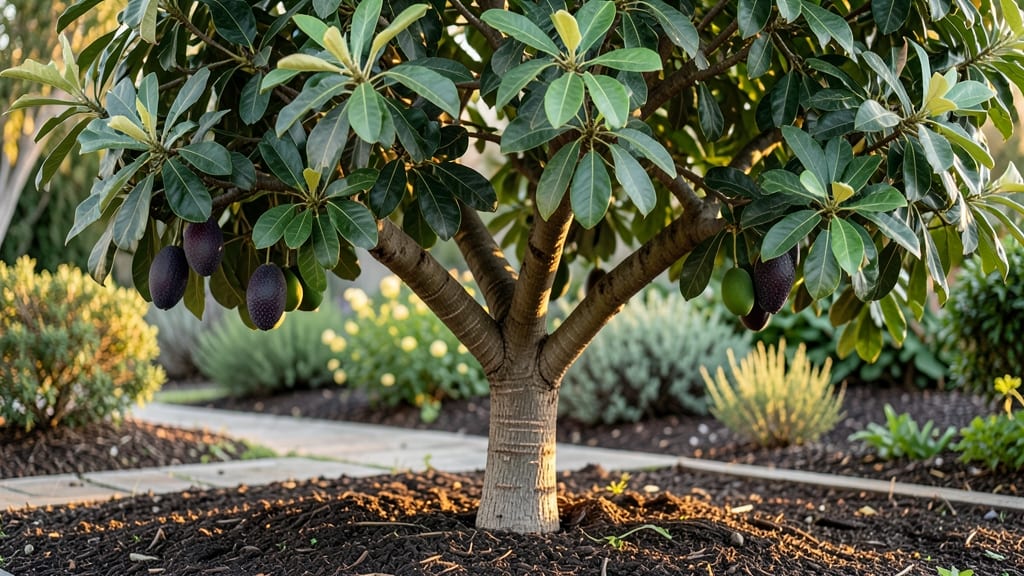
An avocado tree produces fruit typically between 3 and 10 years after planting, depending on your climate, variety, and care—but most gardeners rush the timeline and miss the key signs.
Picture this: You’ve nurtured your 🥑 avocado tree for years, only to stare at branches and wonder, Where’s the fruit? The truth? Patience is part of the process, but there are ways to nudge your tree toward maturity faster.
The real secret lies in understanding your climate zone and recognizing the subtle cues your tree gives long before the first avocado appears.
In warmer climates like USDA zones 9-11, Hass and Fuerte varieties often fruit as early as 3 to 5 years, while cooler zones can stretch that window to a decade.
Cold snaps, over-pruning, or too much nitrogen can delay fruiting, so knowing what your tree needs (not just what it wants) makes all the difference.
Below, I’ll break down the exact timeline by climate, the 5 early signs your tree is ready to fruit, and the proven techniques to speed up harvests—so you can finally enjoy that first creamy, buttery reward of your labor.
Avocado tree fruit production timeline by climate Zone (with exact year estimates)
Avocado trees are famously patient—some take 3 years to fruit, while others wait 10 years or more. The difference? Your climate zone and tree type. Type A trees (like 'Fuerte') thrive in cooler coastal climates, while Type B (like 'Hass') prefer warmer inland areas.
Even a single cold snap can delay fruiting by a full year, so knowing your zone is critical.
In USDA Zone 11 (tropical), 'Hass' trees often bear fruit by year 3-4, while in Zone 9 (temperate), the same variety may wait until year 6-7. Below, I break down the exact timelines for popular varieties, including how chilling hours and winter temperatures impact production.
⚠️ PRO TIP: Grafted trees (like nursery-bought 'Hass') fruit 1-2 years earlier than seed-grown trees. If you started with a pit, add 2-3 years to these estimates!
| Variety | Type | USDA Zones | First Fruit (Years) | Peak Production (Years) | Cold Snap Impact |
|---|---|---|---|---|---|
| 'Hass' | Type B | 9-11 | 3-4 | 5-7 | Delays by 1-2 years if <10°F |
| 'Fuerte' | Type A | 8-11 | 4-5 | 6-8 | Delays by 6 months if <25°F |
| 'Bacon' | Type A | 9-11 | 5-6 | 7-9 | Minimal delay in Zone 10+ |
| 'Lamb Hass' | Type B | 9-11 | 2-3 | 4-5 | Sensitive to frost; may skip year |
| Seed-Grown (Any) | Unknown | 9-11 | 7-10 | 10-15 | Unpredictable; often no fruit |
Note: Grafted trees in Zone 11 may fruit 1 year earlier than shown.
In USDA Zone 9 (like Southern California), 'Hass' trees typically produce their first fruit by year 4, but a 20°F cold snap can push that back to year 6. Type A varieties like 'Fuerte' handle cooler nights better, which is why they’re common in Zone 8 microclimates.
Meanwhile, in Zone 11 (Hawaii, Florida), 'Hass' trees often bear fruit by year 3 with minimal winter stress.
If you’re in a transition zone (like Zone 9b with occasional frost), choose dwarf varieties like 'Mexicola'—they’re hardier and may fruit 1 year earlier than standard sizes. Just be ready to protect young trees with frost cloth during Type B flowering (spring).
One misconception is that bigger trees = faster fruit. Not true! A 3-foot-tall grafted 'Hass' in Zone 10 will fruit faster than a 10-foot seedling in the same zone. Size matters less than rootstock quality and pollination compatibility.
For container growing in Zone 9-10, expect 1-2 extra years of waiting. Root-bound stress delays fruiting, so uproot and repot every 2 years to stimulate growth. In-ground trees, however, often fruit 1 year earlier due to deeper root access to nutrients.
Watch for flower buds in late winter—they’re your first sign of impending fruit. Type A trees (like 'Fuerte') bloom in spring, while Type B (like 'Hass') bloom in fall.
If you see buds but no fruit after 6 months, your tree may need cross-pollination or more phosphorus in the soil.
In Zone 11, avocado trees can produce fruit year-round, but harvest peaks in summer and fall. In cooler zones (9-10), fruit ripens in late fall to winter. Never pick fruit before it’s fully colored—green avocados won’t ripen off the tree and are bitter.
To speed up fruiting, prune lightly in late winter to encourage flower production. Avoid heavy pruning—it stresses the tree and delays fruit by 1-2 years. Instead, focus on balanced fertilization with low nitrogen (use a 10-10-10 blend) to promote flowering over leafy growth.
Remember: Patience is key. Even with perfect care, some avocado trees take up to 1
5 Signs your avocado tree is ready to produce fruit (before it even blooms)
Most gardeners assume avocado trees take years to fruit, but your tree might be ready sooner than you think. While Hass and Fuerte varieties typically bear fruit in 3-10 years, subtle physical cues can reveal fruiting readiness 6-12 months before blooms appear.
These early signs help you avoid over-pruning or over-fertilizing with nitrogen, which can delay fruit production.
Avocado trees follow a two-year fruiting cycle—meaning they produce fruit every other year. Recognizing pre-bloom indicators lets you adjust care routines to maximize yield. For example, a 3-inch-thick trunk at the base often signals readiness, but leaf size and growth patterns matter just as much.
Let's explore these key markers so you can predict your first harvest with confidence.
Avoid these common mistakes that stall fruiting: Over-pruning removes energy reserves, while nitrogen-heavy fertilizers promote leafy growth at the expense of flowers. Instead, switch to a balanced 10-10-10 fertilizer once you spot flower buds. Also, ensure your tree gets 6+ hours of sunlight daily—partial shade delays maturity.
If your avocado tree meets 3+ of these signs, it’s likely preparing for its first harvest. Monitor for flower clusters (Type A flowers appear in spring, Type B in summer) and adjust watering to deep soaks 2x weekly during dry spells.
Patience is key—once fruiting begins, your tree will follow its biennial cycle reliably.
Pro tip: Take a photo of your tree’s trunk and leaves when you first notice these signs. Comparing yearly progress helps track maturity and predict harvest windows with surprising accuracy. With the right care, your first avocados could appear sooner than you expect!