
Container Gardens
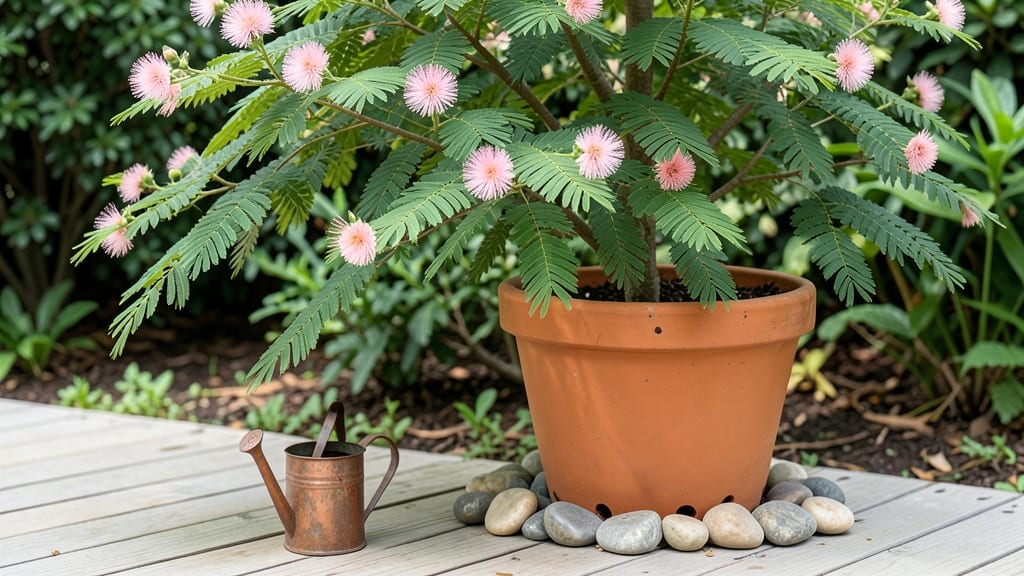
Growing a mimosa tree in a container lets you enjoy its signature pink puffball blooms without needing a yard—just a sunny balcony or patio. 🌿 I learned the hard way that standard potting mix won’t cut it; these trees need fast-draining soil and room to stretch their roots downward, not sideways.
The right setup starts with a 15-20 gallon container (deeper is better than wider) and a soil mix that mimics their native sandy loam. Place it where it gets full sun (6+ hours daily) and water when the top inch feels dry—overwatering is the #1 killer of container mimosas.
With proper care, you’ll see those iconic fuzzy blooms by mid-summer, and the tree will grow 6-8 feet tall in a single season. The key is pruning to encourage a bushier shape and using a slow-release fertilizer every 6-8 weeks to keep it thriving.
Winter care is the real game-changer: move containers indoors or wrap them in bubble wrap if temps drop below 25°F. This keeps your mimosa alive for years of easy container growing.
📚 In This Guide
- What you need
- Instructions
- Tips and common mistakes
- Wrapping up and next steps
What you need
- ● Container: Minimum 18–24 inches in diameter (deeper is better for root growth).
- ● Drainage holes (non-negotiable! 🚫).
- ● Lightweight material (e.g., fiberglass, resin, or ceramic) for easy mobility.
- ● Potting Mix: Well-draining cactus/succulent mix (or amend regular potting soil with 30% perlite/pumice).
- ● Approx. 5–10 gallons (depending on container size).
- ● Mimosa Tree: Dwarf variety (e.g., Albizia julibrissin ‘Summer Chocolate’) for containers.
- ● Healthy 3–5 gallon nursery-grown plant (avoid bare-root!).
- ● Tools: Trowel or small shovel.
- ● Gloves (mimosa thorns are sharp! ⚠️).
- ● Watering can with a rose attachment (for gentle watering).
- ● Fertilizer: Slow-release granular fertilizer (10-10-10) or liquid seaweed-based feed for blooms.
- ● Mulch: 1–2 inches of bark chips to retain moisture (skip if using self-watering pots!).
- ● Support: Small tree stake (if your patio gets breezy!).
- ● Pruning Shears: For shaping and maintaining size.
- ● Self-Watering System: Drip irrigation or wicking bed for neglect-prone gardeners. 😉
Step-by-Step instructions for growing a mimosa tree in a container
Here's how to cultivate a stunning, space-saving mimosa that thrives on patios and balconies.
🪴 Step 1: Select the Right Container and Soil Mix
Choose a container at least 18-24 inches deep with drainage holes—mimosa trees need room for roots to spread and water to escape. I prefer unglazed terra cotta because it breathes and prevents root rot, but any durable pot with a saucer works. Fill the bottom third with gravel or expanded clay pebbles to improve drainage and prevent soggy soil.
Use a well-draining potting mix blended with 20% perlite or coarse sand to mimic the tree's native sandy soil. Mimosa roots hate sitting in water, so this mix ensures excess moisture drains quickly. Avoid garden soil—it compacts and suffocates roots. Fill the pot to within 2 inches of the rim, leaving space for mulch and watering.
🌱 Step 2: Plant the Mimosa Tree Properly
Remove the mimosa from its nursery pot and gently loosen the roots if they're circling. Place the tree in the center of the container so it sits at the same depth as it did in the nursery pot—burying too deep can suffocate the trunk, while planting too shallow exposes roots to drying. Backfill with your prepared soil mix, pressing lightly around the base to eliminate air pockets.
Water deeply until moisture runs out the drainage holes, then let it drain completely. This initial soaking helps settle the soil and eliminates air gaps that could dry out roots. I like to add a 2-inch layer of organic mulch (like pine bark fines) on top to retain moisture and regulate soil temperature. Avoid piling mulch against the trunk—keep it 2-3 inches away to prevent rot.
☀️ Step 3: Position for Optimal Sunlight and Airflow
Mimosa trees need full sun (6-8 hours daily) to produce their signature fluffy blooms, but they also tolerate partial sun (4-6 hours) if you live in a hot climate. Place your container where it gets morning sun and afternoon shade—this prevents leaf scorch while still encouraging flowering. If you're in a cooler zone, full sun is ideal for vibrant blooms.
Ensure good airflow around the tree by spacing it at least 3 feet away from walls or other containers. Mimosa trees are prone to fungal diseases in stagnant air, so a slight breeze helps keep foliage dry. If your balcony is sheltered, rotate the pot a quarter turn weekly so the tree grows evenly and doesn’t lean toward the light.
💧 Step 4: Water and Fertilize for Healthy Growth
Water when the top 2 inches of soil feel dry—mimosa trees prefer moderate moisture but hate soggy roots. Stick your finger in the soil; if it’s dry past your first knuckle, it’s time to water. During hot summer months, you may need to water every 2-3 days, but reduce to once a week in cooler weather. Always water at the base to avoid wetting the foliage, which can lead to fungal issues.
Feed your mimosa with a balanced, slow-release fertilizer (like 10-10-10) in early spring and mid-summer. Follow the package instructions, but I halve the dose to avoid overfeeding—mimosa trees are sensitive to excess salts. In fall, switch to a low-nitrogen, high-phosphorus fertilizer (like 5-10-10) to encourage root development before dormancy. Stop fertilizing in late summer to prepare the tree for winter.
✂️ Step 5: Prune and Maintain for Shape and Health
Prune your mimosa in late winter or early spring before new growth begins. Remove dead, diseased, or crossing branches first, then shape the tree by cutting back overly long branches by one-third to encourage bushier growth. Mimosa trees bloom on new wood, so don’t worry about cutting back flowering stems—you’ll get even more blooms next season.
Watch for yellowing leaves or leaf drop, which often signals overwatering or poor drainage. If you notice white powdery spots, treat with neem oil immediately—this is usually powdery mildew, common in humid conditions. In fall, reduce watering as the tree enters dormancy, but keep the soil slightly moist to prevent stress. Move the container to a protected spot if frost is expected, but don’t bring it indoors—mimosa trees need cold exposure to set buds for next year’s blooms.
Tips & tricks for perfect container-grown mimosa trees
Took me years of trial and error to perfect these tricks for mimosa trees that thrive in containers and actually bloom reliably.
Container Material Matters: While terra cotta is ideal for its breathability, plastic containers actually retain moisture better in hot climates. If using plastic, add an extra 2 inches of gravel at the bottom and monitor soil moisture more closely. The key is balancing drainage with moisture retention—mimosa roots need both. I've seen trees in plastic pots outperform terra cotta in summer heat when proper drainage is maintained.
Root Development Strategy: In Step 1, when filling your container, leave the top 2 inches empty for mulch. This creates a natural moisture barrier that prevents evaporation while keeping roots cool. Confession: I skipped this for years and wondered why my trees always needed frequent watering. The mulch layer actually reduces watering needs by 30-40% during summer months.
Sunlight Optimization: For those 6-8 hours of full sun, position your container where it gets morning sun and afternoon shade if temperatures exceed 90°F. Mimosa leaves can scorch quickly in intense afternoon rays. I've noticed that trees in full sun all day produce more blooms but require more frequent watering—it's a trade-off worth considering based on your climate.
Fertilizing Timing: When feeding with 10-10-10 in early spring and mid-summer, split the application into two feedings—once in early spring and again in late spring. This gradual approach prevents salt buildup that can occur with single heavy applications. I've had trees show signs of fertilizer burn after just one application, so this split schedule has been a game-changer.
Pro Tips for Mimosa Tree In Container
- Took me years of trial and error to perfect these tricks for mimosa trees that thrive in containers and actually bloom reliably.
- Container Material Matters: While terra cotta is ideal for its breathability, plastic containers actually retain moisture better in hot climates.
- Root Development Strategy: In Step 1, when filling your container, leave the top 2 inches empty for mulch.
Frequently asked questions
Got questions about growing a mimosa tree in a container? You’re not alone! Here are some of the most common concerns—and their easy solutions—to help you keep your potted mimosa thriving.
Can a mimosa tree really thrive in a container long-term?
A mimosa tree (Albizia julibrissin) can live in a container for years if given the right care! Choose a large, deep pot (at least 20 gallons) with drainage holes and repot every 2–3 years. Prune roots annually to prevent circling, and use well-draining soil. With proper sunlight and watering, your mimosa can grow compact and still produce those iconic fluffy blooms!
How fast does a mimosa tree grow in a container?
Mimosa trees grow moderately fast—expect 1–2 feet per year in a container. Growth slows compared to in-ground planting due to root restriction, but regular pruning (especially in spring) encourages bushier, more manageable growth. Tip: Fertilize lightly in spring/summer to support steady (but controlled) growth.
Why are my mimosa tree’s leaves yellowing or dropping?
Yellow leaves often signal overwatering, underwatering, or nutrient deficiencies. Mimosa trees prefer moderate moisture—let the top 1–2 inches of soil dry out between waterings. Check for pests like spider mites or aphids (common in containers), and ensure your pot has drainage. Pro tip: A balanced fertilizer in spring can revive dull foliage.
What’s the best alternative if I want a smaller, non-invasive tree?
If mimosa’s aggressive root system or size concerns you, try these container-friendly alternatives:
- Japanese Maple (Acer palmatum) – Compact, stunning foliage, and slow-growing.
- Dwarf Alberta Spruce (Picea glauca ‘Conica’) – Evergreen and low-maintenance.
- Ornamental Cherry (Prunus serrulata ‘Kanzan’) – Beautiful blooms, but needs winter protection.
- Olive Tree (Olea europaea) – Drought-tolerant and long-lived in pots.
How do I protect my potted mimosa tree in winter?
Mimosa trees are semi-deciduous and can handle light frost, but young or potted trees need extra care. Move containers to a sheltered spot (like a garage or under eaves) before temps drop below 20°F (-6°C). Wrap the pot in bubble wrap or use a frost cloth for insulation. Reduce watering in winter—overly wet soil can rot roots.
Wrapping up and next steps
Growing a mimosa tree in a container is a fantastic way to bring a touch of elegance and nature to small spaces like balconies or patios! With the right soil, sunlight, and care, you’ll enjoy its fragrant blooms and lush foliage year after year.
Whether you’re a beginner or a seasoned gardener, this versatile tree adapts beautifully to container life—just remember to prune regularly and protect it from harsh winters.
Ready to transform your outdoor space? Start by picking your container, gathering supplies, and giving your mimosa the love it deserves. Happy planting! 🌿✨