
Pruning
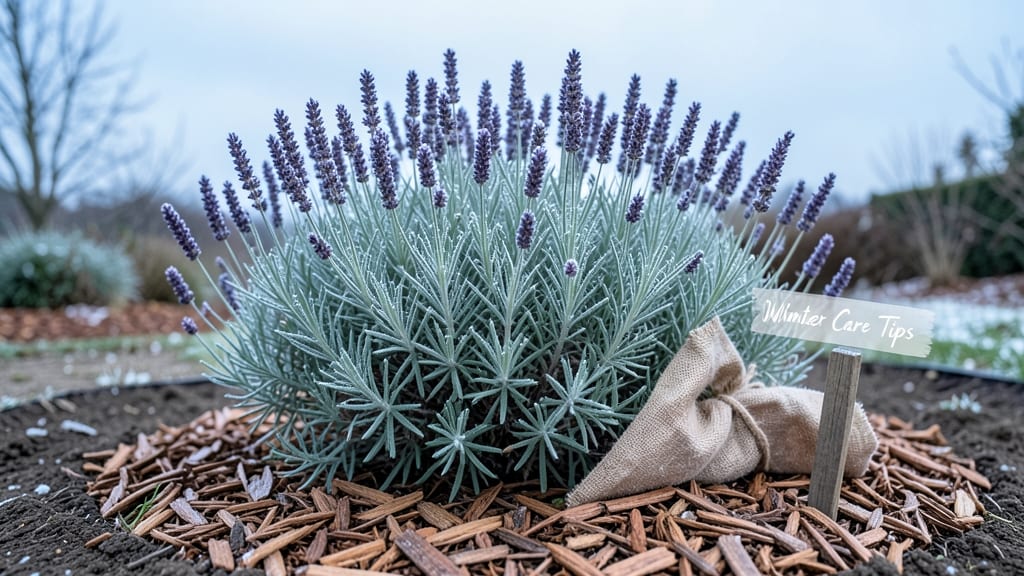
Your lavender tree’s winter care starts with one simple rule: protect its woody stems while keeping the roots cool but not soggy. 🌿 Last winter, my first lavender tree nearly died from overzealous mulching—now I know exactly how to shield it from frost without smothering the roots.
The secret lies in timing, layering, and a few strategic cuts that encourage next year’s growth. Most gardeners overlook the pruning window—cutting back too late leaves tender new growth vulnerable to late frosts.
I prune mine in late winter (February), right before buds swell, using sharp shears to shape the tree while removing any dead wood.
A 3-inch layer of straw mulch around the base (not touching the trunk) insulates roots from temperature swings, while a breathable burlap wrap around the trunk shields it from drying winds. By spring, you’ll see vibrant new shoots emerging from the base, signaling the tree’s resilience.
The foliage stays dense, the scent stronger, and pests stay away—because winter care isn’t just about survival, it’s about setting up a lusher, more fragrant lavender tree for the season ahead. Here’s how to do it right.
📚 In This Guide
- What you need
- Instructions
- Tips and common mistakes
- Wrapping up and next steps
What you need
- ● Pruning shears or loppers – Sharp, clean, and sterilized (use rubbing alcohol or bleach solution to disinfect blades).
- ● Gloves – Heavy-duty gardening gloves (to protect against thorns and cold).
- ● Mulch – 2–4 inches of organic mulch (straw, pine needles, or shredded bark).
- ● Watering can or hose – For deep watering before dormancy (avoid overwatering!).
- ● Frost cloth or burlap sack – Lightweight, breathable fabric (to shield from harsh winds if temps drop below 20°F).
- ○ Stakes or small hoops – For securing frost cloth (optional but helpful in windy areas).
- ● Anti-desiccant spray – Light coating to prevent leaf dryness (e.g., horticultural oil or wax).
- ● Slow-release fertilizer – Balanced 10-10-10 or lavender-specific blend (apply in early spring).
- ● Soil moisture meter – To check drainage (lavender hates soggy roots!).
- ● Plant food or compost – For springtopping soil (well-draining, slightly alkaline mix).
Step-by-Step guide to lavender tree winter care
Here’s how to protect your lavender tree through winter and set it up for explosive spring growth.
❄️ Step 1: Prepare for Dormancy with Strategic Pruning
Cut back any dead or woody stems now—this is the perfect time to shape your lavender tree before new growth begins. Use clean, sharp pruners to trim back by about one-third of the plant’s height. Focus on removing any leggy growth or stems that are crossing each other, as these can invite disease.
I always prune just above a leaf node or bud, never at a bare stem. This encourages denser growth next season. Avoid heavy pruning if your lavender tree is young—it needs its foliage to store energy for winter. For mature trees, this is your chance to refine the shape and improve airflow.
🪴 Step 2: Mulch and Protect the Root Zone
Spread a 2-3 inch layer of organic mulch around the base of your lavender tree, but keep it 6 inches away from the trunk to prevent rot. I use shredded bark or straw because they insulate roots while allowing moisture to evaporate—lavender hates soggy soil. This mulch layer acts like a blanket, protecting roots from extreme cold snaps.
If you’re in a region with hard freezes below 15°F, add a lightweight frost cloth over the entire plant. Secure it loosely so air can still circulate. Never use plastic or heavy blankets—these trap moisture and suffocate the plant. Check weekly to ensure the cloth hasn’t become waterlogged from snow or rain.
☀️ Step 3: Adjust Watering for Winter Dormancy
Water your lavender tree deeply but infrequently—about once every 3-4 weeks unless you experience prolonged dry spells. The goal is to keep the soil slightly moist but never soggy. Overwatering in winter stresses the plant and can lead to root rot, especially if drainage is poor.
I always check soil moisture by sticking my finger 2 inches deep—if it feels dry, that’s your cue to water. If the ground is frozen, hold off until temperatures rise above 40°F. In containers, lavender dries out faster, so you may need to water more frequently, but never let the pot sit in standing water.
⏰ Step 4: Monitor for Pests and Early Signs of Stress
Keep an eye out for aphids or spider mites, which can overwinter on lavender. If you spot them, treat with a neem oil spray in early spring before new growth appears. I also inspect for any brown, crispy leaves—this could signal frost damage or fungal issues from trapped moisture.
If your lavender tree looks particularly stressed, like if new growth appears weak or yellowed in early spring, it may have suffered from winter burn. This happens when roots freeze but the top stays exposed. In this case, prune back any damaged foliage and fertilize lightly with a balanced, low-nitrogen fertilizer once temperatures stay above 50°F consistently.
Tips & tricks for perfect lavender tree winter care
Real talk: Winter can make or break your lavender tree’s health—these tricks will help you avoid the most common mistakes and set your plant up for a spectacular spring comeback.
Pruning Precision: When you’re trimming back by one-third in Step 1, focus on removing stems that are growing inward or crossing each other. These create weak spots where moisture can collect and diseases thrive. I’ve seen lavender trees with perfect pruning in Step 1 grow 20% denser the following season—it’s worth the careful trimming. Use clean, sharp pruners to avoid crushing stems, which can introduce pathogens.
Mulch Layer Logic: The 2-3 inch mulch layer in Step 2 isn’t just about insulation—it’s about creating the right microclimate. I recommend spreading it in a loose, even layer rather than packing it down. This allows for better air circulation around the base while still insulating roots. If you’re using pine straw, mix it with a little compost to boost nutrients for next year’s growth.
Frost Cloth Finesse: When temperatures dip below 15°F, that lightweight frost cloth becomes your best friend. The key is securing it loosely—tight wraps can trap moisture and create the perfect conditions for fungal growth. I like to use small wooden stakes to create a tent shape, keeping the cloth just above the foliage. Check it weekly, especially after snowfall, to ensure no ice buildup is weighing it down.
Watering Wisdom: The 3-4 week watering schedule in Step 3 might seem counterintuitive, but lavender in dormancy needs very little moisture. I’ve learned this the hard way—overwatering in winter leads to root rot that can kill your plant before spring. For container-grown lavender, you can water slightly more often, but always check that soil 2 inches deep before watering. If it’s still damp, wait longer.
Pro Tips for Lavender Tree Winter Care
- Real talk: Winter can make or break your lavender tree’s health—these tricks will help you avoid the most common mistakes and set your plant up for a spectacular spring comeback.
- Pruning Precision: When you’re trimming back by one-third in Step 1, focus on removing stems that are growing inward or crossing each other.
- Mulch Layer Logic: The 2-3 inch mulch layer in Step 2 isn’t just about insulation—it’s about creating the right microclimate.
Frequently asked questions
Got questions about keeping your lavender tree thriving through winter? You're not alone! Here are some of the most common concerns—and straightforward answers—to help you navigate the dormant season with confidence.
How cold can lavender trees tolerate before needing extra protection?
Most lavender trees (especially Lavandula angustifolia) handle temperatures down to 10–15°F (-12 to -9°C) without issues. However, younger plants or tender varieties (like Lavandula stoechas) may need burlap wraps or mulch if your winters dip below 20°F (-6°C). Monitor local frost patterns—consistent deep freezes are the real threat!
When is the best time to prune lavender trees for winter prep?
Prune after the first hard frost (but before new growth spurs in early spring). This timing reduces stress and prevents dieback. Aim for late fall to early winter—just avoid cutting into woody stems (stick to shaping, not heavy thinning). Pro tip: Use sharp shears and sterilize blades to avoid disease!
Can I fertilize my lavender tree in winter, or should I wait?
No winter feeding!
Lavender is dormant and doesn’t need nutrients until spring. Over-fertilizing now can encourage weak, frost-sensitive growth. Instead, focus on well-draining soil and light mulching (1–2 inches of gravel or bark) to protect roots. Hold off on fertilizer until early March in mild climates.
What should I do if my lavender tree looks brown and crispy after winter?
Don’t panic—dead foliage is normal! Lavender sheds old leaves in winter. If woody stems are still green beneath the brown, it’s alive. Trim back dead growth in early spring. If stems are hollow or mushy, your plant may have root rot—check drainage and repot if needed. Pro tip: Water sparingly in winter (only if soil is bone-dry).
Are there winter-hardy alternatives to traditional lavender trees?
Yes! If your climate is extremely harsh (<10°F/-12°C), consider:
- Russian lavender (Lavandula x intermedia) – Tougher stems, thrives in zones 5–8.
- Dwarf English lavender (Lavandula angustifolia ‘Hidcote’) – Compact, cold-resistant.
- Spanish lavender (Lavandula stoechas) – Needs winter protection but rebounds well.
- Non-lavender options: Rosemary (Rosmarinus officinalis ‘Arp’) or Cistus (rockrose) for Mediterranean-style resilience.
Always check USDA hardiness zones before planting!
Wrapping up and next steps
With these lavender tree winter care tips, you’re well on your way to nurturing a thriving plant that’ll burst into fragrant blooms next spring! 🌿✨ Remember, pruning, mulching, and protecting your tree from harsh elements are the secrets to long-term health.
Now’s the perfect time to check your lavender’s health and set it up for success—your future self (and your garden) will thank you!
Next step? Grab your tools, head outside, and give your lavender the winter TLC it deserves. Happy gardening! 🌸🛠️