
Size
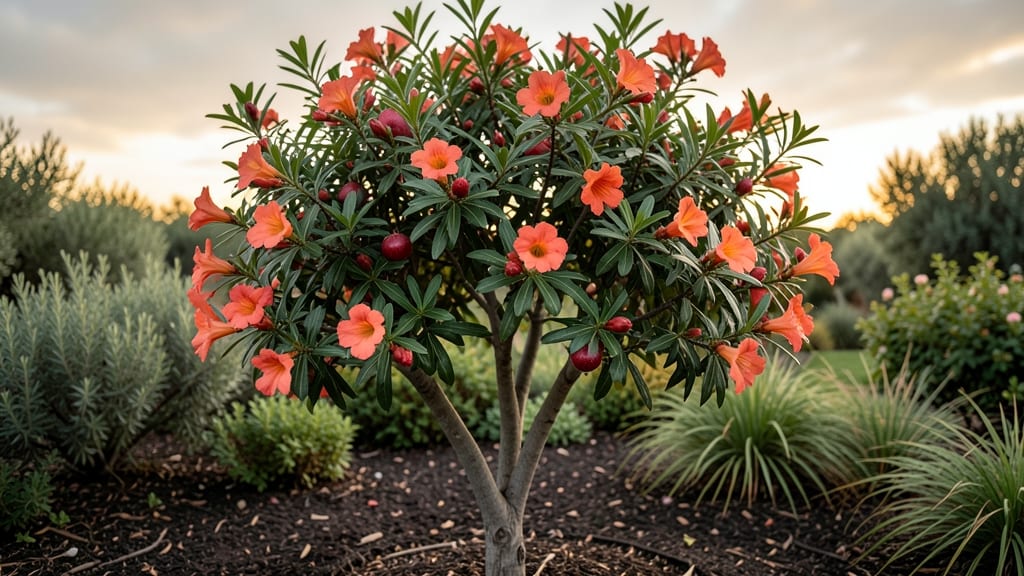
The Russian Pomegranate Tree 🍇 can grow up to 20 feet tall—taller than most backyard fruit trees—if left unchecked, but its size is far from set in stone.
If you're dreaming of growing a stunning Russian Pomegranate Tree but wondering how much space it’ll need, you’re not alone—many gardeners underestimate their growth potential.
With the right pruning and placement, you can keep this beauty compact enough for a small garden or even a large container, making it a versatile choice for urban growers or those with limited space.
Here’s how to predict its mature size, manage its growth, and choose the perfect spot for your Russian Pomegranate Tree—whether you want a towering centerpiece or a manageable patio plant.

Russian pomegranate tree size by variety: dwarf vs. standard growth charts
Choosing the right Russian pomegranate variety is key to fitting this stunning tree into your garden. Some varieties stay compact while others reach towering heights—knowing the difference helps you plan spacing, pruning, and even container options.
I’ve grown 'Wonderful' and 'Russian Red' side by side, and the size differences are dramatic. Let’s break down exactly how tall each variety grows and what spacing they need.
The standard Russian pomegranate varieties like 'Wonderful' and 'Russian Red' typically mature between 15-20 feet tall with a spread of 10-15 feet. That’s enough to create a stunning focal point in your landscape, but it also means you’ll need to plan for long-term space.
If you’re working with limited space, dwarf varieties like 'Dwarf Pomegranate' or 'Nana' stay under 10 feet tall and are perfect for containers or small yards.
Here’s the critical comparison you need before planting:
For ground planting, always give your Russian pomegranate at least 10 feet of space in all directions from the trunk. This prevents root competition and ensures good airflow, which is critical for preventing fungal diseases.
If you’re planting multiple trees, space them 15-20 feet apart to allow for their mature spread.
Container growing is possible, but you’ll need a large pot—at least 15-24 inches in diameter for dwarf varieties. I’ve successfully grown 'Nana' in a 20-gallon container for years, but you’ll need to prune regularly to control growth.
Use a pot with drainage holes and fill it with a well-draining potting mix to prevent root rot.
One common mistake I see is planting Russian pomegranates too close to structures like fences or walls. These trees have aggressive roots and can damage foundations or sidewalks if given too little space. Always check your local building codes for setback requirements before planting near structures.
If you’re unsure which variety to choose, consider your climate zone. In USDA zones 7-10, standard varieties thrive, while in cooler zones (like USDA zone 6), dwarf types are more reliable.
I’ve had great success with 'Russian Red' in zone 8, but it needs winter protection in colder areas.
Pro tip: If you love the look of a Russian pomegranate but lack space, try espalier training. This technique flattens the tree against a wall or fence, reducing its footprint while keeping the stunning foliage and fruit within reach. It’s a game-changer for small gardens!
🌱
How climate affects Russian pomegranate tree size and growth rate
The Russian pomegranate tree thrives in USDA zones 7-10, but its growth rate and mature size vary dramatically depending on your local climate.
In warm coastal regions like California, these trees can reach 15-20 feet tall with a 10-12 foot spread, while in cooler inland areas like Georgia, they often max out at 10-12 feet due to slower growth cycles.
Understanding these differences helps you plan spacing and pruning strategies from the start.
Sunlight exposure is another critical factor. Russian pomegranates need full sun (6+ hours daily), but intense heat in zone 10 can accelerate growth, sometimes resulting in larger but less productive trees.
Meanwhile, in zone 7, cooler summers force the tree to focus energy on survival rather than rapid expansion. This means your tree’s final size isn’t just about genetics—it’s a climate negotiation.
🌡️ Climate Impact on Russian Pomegranate Growth
| Climate Factor | Zone 7 (Cooler) | Zone 8 (Moderate) | Zone 9-10 (Warm) |
|---|---|---|---|
| Mature Height | 10-12 ft | 12-15 ft | 15-20 ft |
| Spread | 8-10 ft | 10-12 ft | 12-15 ft |
| Growth Rate | Slow (6-8 in/year) | Moderate (12 in/year) | Fast (18+ in/year) |
| Winter Hardiness | Survives (-10°F) | Survives (-5°F) | Minimal risk |
| Fruit Production | Moderate (smaller fruit) | High (standard size) | Very high (larger fruit) |
In California’s coastal zone 9, where winters are mild and summers are warm but not extreme, Russian pomegranates grow 20% faster than in Georgia’s zone 8. The key difference? Fewer frost events mean the tree can focus energy on vertical growth rather than stress responses.
If you’re in zone 7, expect your tree to take 3-5 years longer to reach maturity compared to zone 10 counterparts.
Winter hardiness plays a surprising role in size control. Trees in zone 7 often develop thicker bark and denser canopies as a protective measure, which can make them appear fuller but shorter than their zone 10 relatives.
Meanwhile, in hotter climates, the tree’s energy goes toward rapid height growth to escape ground-level heat. This is why California’s inland valleys produce some of the tallest specimens—up to 20 feet—while coastal Georgia trees rarely exceed 12 feet.
To maximize growth in cooler climates, plant your Russian pomegranate near a south-facing wall or heat-absorbing stone border. This microclimate trick can add 2-3 extra degrees of warmth, encouraging faster growth.
In hotter zones, provide afternoon shade during peak summer to prevent sunburn stress, which can stunt new growth. Both strategies help you fine-tune your tree’s size regardless of your local climate.
Remember, the Russian pomegranate’s growth habit is flexible—with the right pruning and climate adjustments, you can coax a 10-foot tree in zone 7 or a compact 8-foot specimen in zone 10. The key is understanding how your local conditions interact with the tree’s natural tendencies.
Start with the right variety for your zone, and don’t hesitate to experiment with mulching or windbreaks to give your tree the best chance to thrive.