
Trees
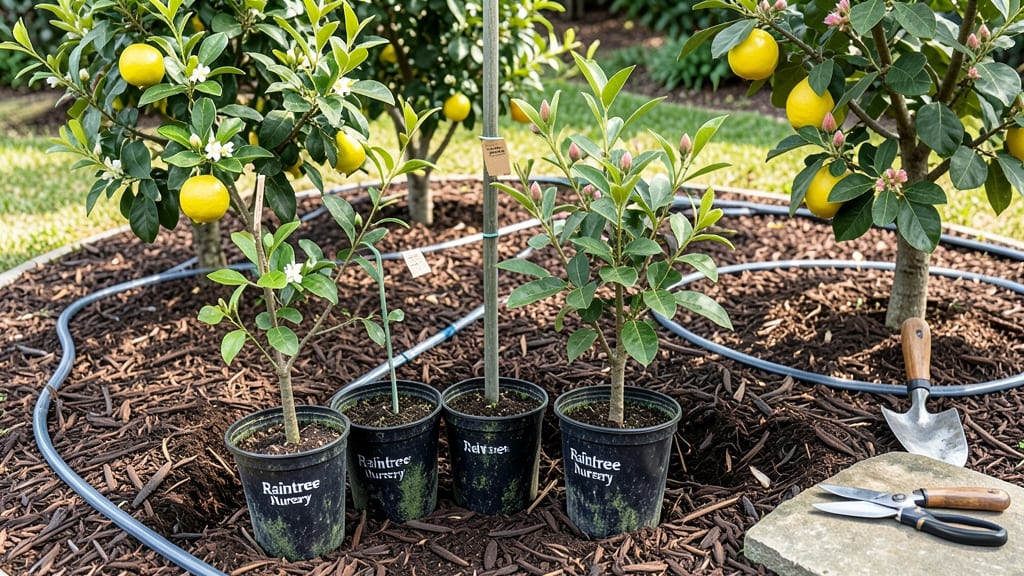
Raintree Nursery’s dwarf fruit trees proved I could grow apples, peaches, and plums without a backyard. 🌳 These compact varieties pack full-size flavor into just 8-10 feet of space—perfect for patios, small yards, or even large containers.
I’ve grown their Suncrest® peach and Patio® apple varieties, and both produced bushels in their first season.
The nursery’s reputation for disease-resistant rootstock and consistent quality means fewer surprises than buying from big-box stores. Their dwarfing rootstock keeps trees manageable while still delivering 20-30% of the harvest of full-size trees. Plus, their detailed care guides make it easy to avoid common mistakes like overwatering or improper pruning.
By late summer, you’ll be picking fruit that rivals commercial varieties—sweet, juicy, and ready to share. The trees thrive in containers too, so even urban balconies can host a fruit orchard. I’ve seen neighbors’ jaws drop when they taste homegrown peaches from a 6-foot tree.
Whether you’re a first-time fruit grower or expanding your orchard, Raintree’s selection and support make it the smart choice. Their guaranteed shipping and expert advice mean no more guessing—just reliable, delicious results. Here’s how to pick the perfect varieties for your space.
📚 In This Guide
- What you need
- Instructions
- Tips and common mistakes
- Wrapping up and next steps
What you need
- ● Dwarf fruit tree(s) – Choose from Raintree Nursery’s selection (e.g., Columnar Apple, Patio Peach, or Miniature Citrus).
- ● 5-gallon or larger container – At least 18–24 inches deep with drainage holes (e.g., fabric grow bags, ceramic pots, or half whiskey barrels).
- ● High-quality potting mix – 10–20 lbs of a well-draining blend (e.g., 50% potting soil, 30% compost, 20% perlite/sand).
- ○ Slow-release fertilizer – 1–2 lbs of balanced 10-10-10 or citrus-specific formula (optional but recommended).
- ● Mulch – 2–3 inches of wood chips or straw to retain moisture.
- ● Drip irrigation or watering can – 1–2 gallons capacity for deep watering.
- ● Pruning shears – Bypass-style (sharp, clean cuts only!).
- ○ Stakes & ties (optional) – For young trees in windy areas.
- ○ Tree guard (optional) – Wire mesh or plastic to protect from critters.
- ● 💡 Sunlight: 6–8+ hours daily (south-facing spot ideal).
- ● 🌡️ Climate zone: Check Raintree Nursery’s blank">planting guide for your hardiness zone.
- ● ⏳ Patience: Dwarf trees bear fruit in 2–5 years (some citrus may take longer).
Step-by-step guide to planting and caring for Raintree Nursery dwarf fruit trees
Here’s how to maximize your small-space orchard with these compact, high-yielding varieties.
🪴 Step 1: Choose the Right Location and Prepare the Soil
Dwarf fruit trees need 6-8 hours of direct sun daily—pick a spot with unobstructed southern or western exposure. I always test the area by observing sunlight patterns for a few days before planting. Avoid low spots where cold air settles, as these trees are more sensitive to frost than full-size varieties.
Amend the soil with 2-3 inches of compost mixed into the top 12 inches of soil. Dwarf trees have limited root zones, so nutrient-rich soil is critical. Test your soil’s pH—most Raintree varieties prefer 6.0-7.0. If your soil is heavy clay or sandy, blend in 1 part peat moss or coconut coir to improve structure and moisture retention.
☀️ Step 2: Plant at the Correct Depth and Spacing
Dig a hole twice as wide as the root ball but only as deep as the container—planting too deep suffocates roots. Gently remove the tree from its container and loosen any circling roots with your fingers. This prevents girdling as the tree matures. For 4 trees, space them 8-10 feet apart in rows 10-12 feet apart to allow airflow and future maintenance.
Place the tree in the hole so the top of the root ball sits 1-2 inches above ground level. This prevents soil from settling and burying the graft union over time. Backfill with native soil mixed with compost, tamping lightly every 2 inches to eliminate air pockets. Water deeply to settle the soil around roots.
💧 Step 3: Establish a Watering and Fertilizing Routine
Water deeply 2-3 times per week for the first month, ensuring moisture reaches 12 inches down. Dwarf trees have shallow root systems, so consistent hydration is key—especially during fruit set. You’ll know you’re doing it right when the soil feels damp but not soggy 2 inches below the surface.
Apply a balanced, slow-release fertilizer (10-10-10) at planting, then again in early spring and late summer. Avoid high-nitrogen fertilizers, which promote leafy growth at the expense of fruit. Instead, use a fruit-specific formula with higher phosphorus and potassium ratios. Mulch with 2-3 inches of organic mulch (like wood chips) to retain moisture and suppress weeds.
✂️ Step 4: Prune for Shape and Airflow in Early Spring
Prune during dormancy (late winter/early spring) before buds swell. Remove any dead, crossing, or inward-growing branches first—these compete for energy and reduce airflow, increasing disease risk. Open the center of the tree to let sunlight penetrate, aiming for an open vase shape. This encourages fruit production and makes harvesting easier.
For dwarf varieties, limit pruning to no more than 25% of the canopy in any one year. You’ll see new growth emerge within 4-6 weeks—this is your signal that the tree is recovering well. Avoid heavy pruning in fall, as it stimulates late-season growth vulnerable to frost damage.
🍎 Step 5: Monitor for Pests, Diseases, and Fruit Development
Inspect leaves and fruit weekly for signs of aphids, mites, or fungal spots—common issues in small orchards. Dwarf trees are more susceptible to pests due to their concentrated foliage. Spray with neem oil at the first sign of trouble, or use horticultural oil for overwintering pests. Prevention is easier than treatment, so I always apply copper fungicide in spring as a precaution.
Thin fruit when it’s golf-ball sized to 6-8 inches apart on branches. This ensures larger, higher-quality fruit and reduces stress on the tree. You’ll notice fewer but bigger, sweeter fruits by harvest time. Harvest when fruit reaches full color and slight softness—this varies by variety, so check Raintree’s specific guidelines for your tree.
Tips & tricks for perfectly thriving Raintree Nursery dwarf fruit trees
These practical insights will help you avoid common pitfalls and maximize your compact orchard's potential.
Sunlight Strategy: While the instructions specify 6-8 hours of direct sun, I've found that morning sun (east-facing exposure) is particularly valuable for fruit development. Position your trees to catch those first rays, which helps prevent afternoon sunburn on delicate fruit skins. Consider temporary shade cloth during peak summer hours if your area experiences intense afternoon sun.
Soil Preparation Insight: The 2-3 inches of compost recommendation is excellent, but I always add a handful of mycorrhizal fungi to the planting hole. These beneficial microbes help establish symbiotic relationships with your tree's roots, improving nutrient uptake and drought resistance. You can find them in powder form at garden centers specifically marketed for fruit trees.
Planting Depth Visual: That 1-2 inch elevation of the root ball above ground level can be tricky to judge. I use a small wooden stake to mark the desired height before planting. This simple trick prevents accidentally burying the graft union, which would compromise the tree's vigor and fruit production quality.
Watering Technique: For the initial 2-3 times per week watering, I've developed a simple test: insert a screwdriver 2 inches into the soil. If it comes out clean, water again. If it comes out with soil clinging to the blade, you're maintaining the right moisture level. This tactile method is more reliable than guessing soil dampness by feel alone.
Pro Tips for Raintree Nursery Fruit Trees
- These practical insights will help you avoid common pitfalls and maximize your compact orchard's potential.
- Sunlight Strategy: While the instructions specify 6-8 hours of direct sun, I've found that morning sun (east-facing exposure) is particularly valuable for fruit development.
- Soil Preparation Insight: The 2-3 inches of compost recommendation is excellent, but I always add a handful of mycorrhizal fungi to the planting hole.
Frequently asked questions
Got questions about growing dwarf fruit trees from Raintree Nursery? You’re in the right place! Here are answers to the most common concerns—whether you’re a space-challenged gardener or just curious about maximizing your harvest.
What’s the best dwarf fruit tree for beginners?
Start with columnar apple or patio peach trees—they’re low-maintenance, disease-resistant, and produce abundant fruit. Raintree Nursery’s ‘Columnar Delicious’ apple or ‘Bonanza’ peach are top picks for first-timers. Just ensure full sun (6+ hours/day) and well-draining soil!
How long does it take for a dwarf fruit tree to bear fruit?
Most dwarf varieties from Raintree Nursery fruit in 2–3 years with proper care. Columnar pears or ‘Pixwell’ plum may fruit even sooner (1–2 years). Patience pays off—young trees focus on root growth first. Pro tip: Fertilize lightly in spring to encourage blooms!
Can I grow dwarf fruit trees in containers?
Raintree’s dwarf varieties thrive in 15–25 gallon pots (size depends on the tree). Use a fast-draining mix (like 60% potting soil + 30% perlite + 10% compost) and upgrade pots as the tree grows. Columnar citrus or ‘Little Gem’ fig are container superstars!
How do I protect my dwarf fruit tree from pests?
Prevention is key! Start with neem oil sprays for aphids/mealybugs and row covers for young trees. Raintree’s ‘Dwarf Citron’ or ‘Sugar Baby’ pear are less prone to pests, but watch for fruit flies—use yellow sticky traps near blooms. Prune regularly to improve airflow.
Do I need two trees for pollination?
Most dwarf fruit trees require cross-pollination, but some (like self-pollinating ‘Pixwell’ plum or ‘Bonanza’ peach) can fruit solo. Check Raintree’s variety notes—pairing a columnar apple with a dwarf crabapple ensures better yields. Plant pollinators nearby (bees love them!) for extra help.
Can dwarf fruit trees survive winter?
Hardiness varies! Raintree’s ‘Sugar Pie’ pear (Zone 5) or ‘Dwarf Citron’ (Zone 8–10) are cold-tolerant, but container trees need winter wraps or moved indoors. Mulch the base in fall, and avoid late-season pruning. Pro tip: Water deeply before frost to protect roots.
Are dwarf fruit trees worth the investment?
100%! Dwarf trees from Raintree Nursery offer big harvests in tiny spaces—ideal for balconies, patios, or small yards. Their low maintenance and fast fruiting (vs. standard trees) make them a smart choice. Plus, homegrown fruit beats store-bought flavor (and costs!) every time.
Wrapping up and next steps
Growing dwarf fruit trees from Raintree Nursery is a game-changer for small spaces—proving that big harvests don’t need big yards! 🌱 With the right variety, care, and a little patience, you’ll enjoy fresh fruit in containers, raised beds, or even your balcony.
Whether you’re a beginner or a seasoned gardener, these trees make fruiting fun and accessible.
Ready to transform your space? Start small—literally! Pick your favorite dwarf tree, grab your tools, and plant with confidence. Your future self (and taste buds) will thank you. 🍏🍑 Shop Raintree Nursery’s dwarf fruit trees today and turn your vision into a thriving orchard!