
Companion Plants
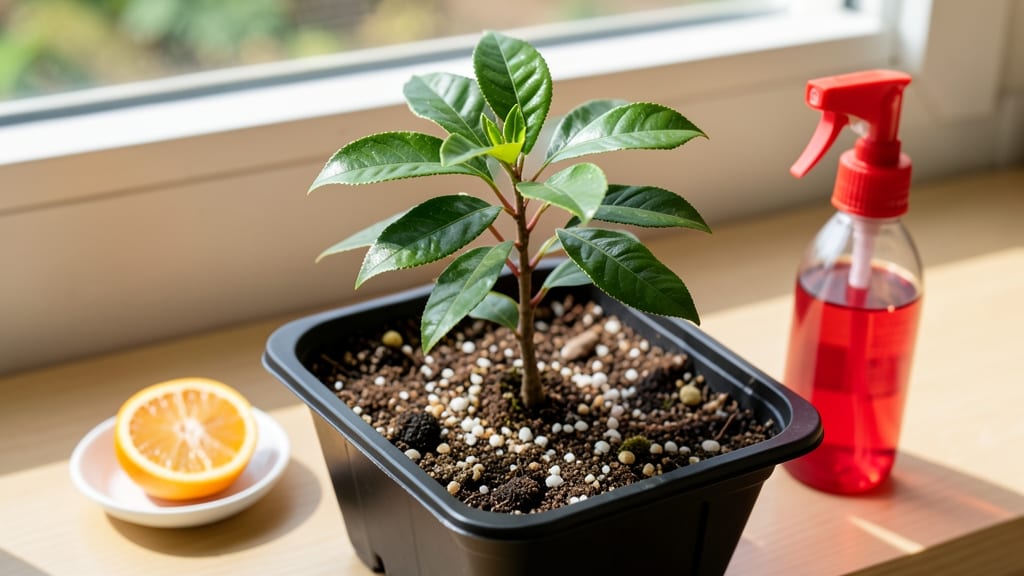
You can grow an orange tree from an orange seed, but the fruit it produces will likely be bitter and inedible due to genetic differences. Plant the seed in well-draining soil, maintain warmth and humidity for germination (4-12 weeks), and expect full maturity in 5-10 years.
Growing citrus from seed is a fascinating experiment, but the results often disappoint fruit lovers. 🌱 The seeds you save from grocery store oranges are hybrids—crosses between different citrus varieties—that rarely produce sweet, juicy fruit like their parent trees.
Instead, you'll get small, seedy, and bitter oranges that aren't worth eating. For edible fruit, most commercial orange trees are grafted onto rootstock, ensuring consistent quality and flavor. If you're determined to try, start with seeds from heirloom or specialty citrus varieties, as they sometimes yield better results.
Once you've planted the seed, the real challenge begins—creating the ideal growing conditions. Most citrus seeds need consistent warmth (around 70-75°F) and high humidity to sprout.
I've found that placing the pot under a grow light or in a sunny window helps, but be patient—some seeds take months to break through the soil. Overwatering is a common mistake; let the top inch of soil dry out between waterings to prevent mold.
After germination, transplant the seedling into a larger pot with well-draining soil and keep it indoors until it's strong enough for outdoor planting in warmer climates.
💡 In This Article
- Why Store-Bought Orange Seeds Rarely Yield Edible Fruit
- Step-by-Step Guide to Germinating Orange Seeds Indoors
Why store-bought orange seeds rarely yield edible fruit
The bitter truth about grocery store orange seeds lies in how citrus trees reproduce naturally. Most commercial oranges you buy are hybrids—crosses between different citrus varieties like sweet oranges, mandarins, or even grapefruits.
These hybrids are bred for sweetness, size, and shelf life, but their seeds carry a completely different genetic code. When you grow a tree from one of these seeds, you're essentially creating a new, unpredictable citrus variety that often reverts to the wild side—producing small, seedy, and bitter fruit. 🌱
This genetic inconsistency is why commercial citrus growers use grafting instead of seeds. Grafting takes a desirable variety (like 'Valencia' or 'Navel' oranges) and attaches it to a strong rootstock, ensuring the fruit will match the parent tree's characteristics.
Seed-grown trees, on the other hand, can take 5-10 years to mature and may never produce fruit that resembles the parent orange you started with. The fruit you do get might be tart, overly acidic, or even completely inedible—think of it like rolling the genetic dice every time.
Here's what happens under the microscope: citrus seeds contain two sets of chromosomes—one from each parent plant. When you plant that seed, the resulting tree's DNA is a random mix of both parents, creating what scientists call "genetic recombination."
This is why two seeds from the same orange can grow into trees with completely different fruit characteristics. For example, a seed from a sweet 'Navel' orange might grow into a tree that produces tart, grapefruit-like fruit instead.
The unpredictability is part of the fun, but it's also why serious citrus growers rely on grafting for consistent results.
If you're determined to grow edible fruit from seed, your best bet is to start with seeds from heirloom or specialty citrus varieties sold by reputable nurseries. These seeds often come from trees that have been selectively bred for stable fruit characteristics.
Even then, there's no guarantee—citrus genetics are notoriously finicky. What you can guarantee is a fascinating gardening experiment that teaches you about plant genetics, patience, and the surprising diversity of citrus varieties growing in your own backyard.
Consider this real-world example: I once grew a tree from a seed of a 'Blood Orange' I bought at a specialty grocery store.
After 7 years, it produced fruit—but instead of the sweet, ruby-red blood oranges I expected, I got small, green, extremely bitter oranges that tasted more like a lemon-grapefruit hybrid. The lesson? Store-bought seeds are more about the journey than the destination.
The real reward is watching your seedling grow into a unique citrus tree, even if the fruit isn't for eating.
For those who want both beauty and edible fruit, the solution is simple: buy a grafted citrus tree from a nursery. These trees combine the best of both worlds—the strong root system from the rootstock and the desirable fruit characteristics from the scion (the grafted top).
You'll get sweet oranges in 2-3 years instead of waiting a decade for uncertain results. But if you're up for the challenge, growing from seed is an exciting way to discover what citrus trees might look like if left to nature's whims.