
Container Gardens
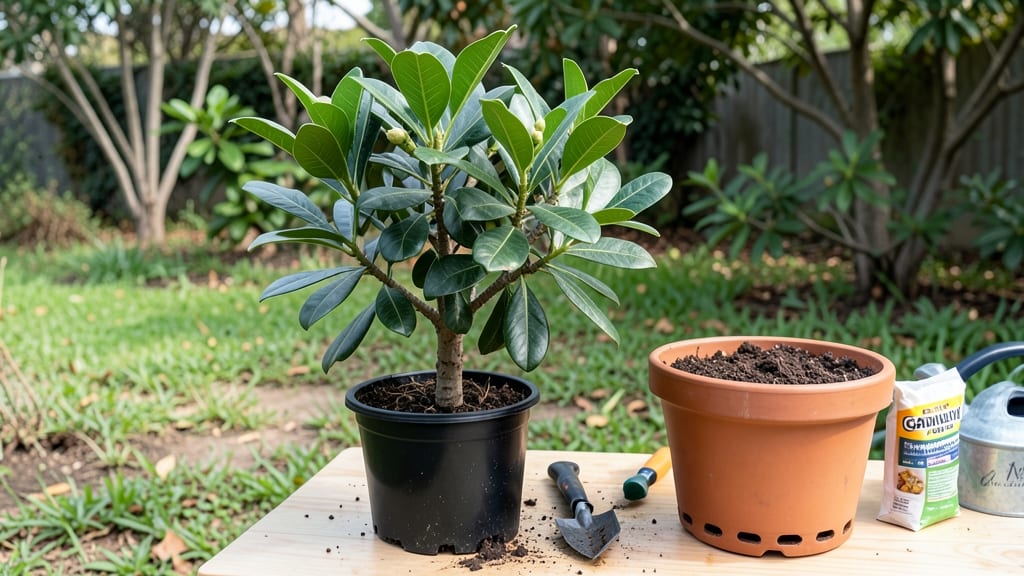
Growing an avocado tree in a container turns your kitchen window into a mini tropical paradise. 🌱 I started mine from a grocery store pit, and now it's a lush, leafy centerpiece that thrives year-round with just a few simple steps—no greenhouse or tropical climate required.
The secret lies in mimicking its natural habitat: bright, indirect light, well-draining soil, and a container with drainage holes. Most beginners overwater or use regular potting mix, which leads to root rot.
Instead, use a mix of potting soil and perlite (or coconut coir) to keep roots aerated and water only when the top inch feels dry.
Within a few months, you'll see glossy new leaves pushing out, and with patience, your tree could even produce fruit indoors. The best part? It grows slowly, so you won't outpace your space anytime soon. Just rotate the pot occasionally for even growth and watch it flourish.
Perfect for small spaces, this project requires minimal effort but delivers big rewards. Even if you've never grown a houseplant before, an avocado tree is one of the most forgiving tropicals to keep alive. Let's get that pit planted!
📚 In This Guide
- What you need
- Instructions
- Tips and common mistakes
- Wrapping up and next steps
What you need
- ● Avocado pit – Choose a fresh, firm pit from a ripe avocado (organic or non-GMO preferred).
- ● 6-8 toothpicks or skewers – For suspending the pit while it sprouts roots.
- ● Small glass or jar (16–24 oz) – With 2–3 inches of water to submerge the pit.
- ● Well-draining potting mix – A blend of cactus/succulent mix (50%) and perlite or pumice (50%) for aeration.
- ● Container (5–10 gallons) – Minimum 12–14 inches deep (deeper for mature trees).
- ● Drainage holes mandatory (or DIY with a drill).
- ● Material: Terracotta, fabric grow bags, or plastic (terracotta helps regulate moisture).
- ● Watering can with a narrow spout – For precise watering without over-saturating.
- ● Fertilizer (balanced or citrus-specific) – 10-10-10 or 6-6-6 NPK ratio, diluted to half-strength.
- ● Rooting hormone – Speeds up root development when transplanting.
- ● Humidity dome or plastic wrap – Keeps the pit moist during germination.
- ● Grow lights (LED, full-spectrum) – If your space lacks bright, indirect sunlight (12+ hours/day).
- ● Self-watering system or moisture meter – Prevents over/under-watering.
- ● Pruning shears – For trimming leggy growth or shaping the tree.
- ● Support stake or trellis – Helps stabilize the tree as it grows taller.
Step-by-step instructions for growing an avocado tree in a container
Here's how to nurture a sunlit avocado tree from a simple pit—no greenhouse needed.
🌱 Step 1: Prepare the Avocado Pit for Germination
Rinse the avocado pit thoroughly under warm water to remove any remaining fruit residue. I like to use a soft toothbrush to clean the crevices where mold could hide. The key is to keep everything sterile—this prevents rot before germination even begins.
Insert 3-4 toothpicks evenly around the pit, spaced about ¼ inch apart. These will suspend it over water without letting it sink. Place the pit in a glass or jar with just the bottom ¼ inch submerged in room-temperature water. The top should remain dry. Change the water every 2-3 days to prevent bacterial growth.
Find a warm spot—70-75°F is ideal—like near a kitchen window or under a grow light. You'll see a small root emerge from the bottom in about 2-6 weeks. Patience here is crucial; rushing the process often leads to rot instead of roots.
🪴 Step 2: Plant the Germinated Pit in Soil
Once the root reaches about 2 inches long, it's time to plant. Fill a 6-8 inch pot with well-draining potting mix—avocado trees hate soggy roots. I add a handful of perlite to the mix to improve aeration. Make a small hole in the center and gently place the pit, root-side down, about 1 inch deep.
Cover the pit with soil, leaving the top half exposed. Press lightly around the edges to secure it without compacting the mix. Water gently until it drains from the bottom holes. Place the pot in bright, indirect light—direct sun at this stage can scorch the delicate new growth.
Keep the soil consistently moist but never soggy. You'll know it's right when the top inch feels damp to the touch. A humidity dome helps maintain even moisture, but remove it once the first leaves appear—this prevents fungal issues.
☀️ Step 3: Provide Light and Encourage Growth
Avocado trees need bright, indirect light for at least 6-8 hours daily. A south-facing window works well, but supplement with a grow light if natural light is weak. You'll notice the plant leaning toward the light—rotate the pot a quarter turn weekly to keep growth even.
Once the stem reaches 6-8 inches tall, you'll see the first true leaves emerge. This is your signal to transition to a slightly larger pot—10-12 inches wide. Use the same well-draining mix and gently tease apart any tangled roots before repotting.
Fertilize lightly every 2 months with a balanced houseplant fertilizer. Too much too soon burns the roots. Watch for yellowing leaves—this usually means overwatering or poor drainage. Adjust by letting the soil dry slightly more between waterings.
✂️ Step 4: Prune and Care for Long-Term Health
Prune leggy growth by pinching back the top ¼ inch of new shoots. This encourages bushier growth instead of a single tall stem. Use clean, sharp scissors to avoid tearing the bark. Remove any yellow or damaged leaves immediately—they attract pests and spread disease.
Rotate the pot every few months so all sides get even light exposure. Avocado trees can grow quite tall indoors, so plan for a 15-20 gallon container within a few years. If you notice fruit forming, it's a good sign—but container-grown trees rarely bear edible fruit without careful winter care.
During winter, reduce watering slightly and keep the plant in cooler conditions (60-65°F) if possible. This mimics the tree's natural dormancy period. You'll see new growth in spring, signaling it's time to increase light and water again.
Tips & tricks for growing an avocado tree in a container
Took me years of trial and error with these tropical plants—here's what actually works for keeping your avocado tree thriving indoors.
Germination Patience: That 2-6 week range for root growth is real, but don't be tempted to force it. I once tried adding warm water to speed things up, and the pit rotted within days. Stick to room-temperature water and the 70-75°F spot—consistency is key. If nothing happens after 6 weeks, gently check for mold (if you see fuzz, start over with a fresh pit).
Soil Science: Avocado roots need air almost as much as water. When planting in your 6-8 inch pot, mix in one part perlite to three parts potting soil—this prevents the dreaded soggy-root syndrome. I also recommend adding a handful of orchid bark to improve drainage. The top inch should dry out between waterings, so test with your finger rather than guessing.
Light Strategy: Those 6-8 hours of bright, indirect light are non-negotiable, but here's the trick: if your south-facing window gets harsh afternoon sun, use a sheer curtain to diffuse it. I learned this the hard way when my first leaves turned crispy. For winter months when daylight shrinks, supplement with a basic LED grow light for 4-6 hours daily—just keep it 6-12 inches above the plant.
Winter Care: The 60-65°F winter range isn't just about cooler temps—it's about mimicking the tree's natural cycle. I place mine near a north-facing window during winter and cut watering to every 10-14 days. Yellowing leaves at this time? That's normal dormancy behavior, not a problem. Watch for new growth in spring—when you see fresh leaves, it's time to ramp up care again.
Pro Tips for Grow An Avocado Tree In A Container
- Took me years of trial and error with these tropical plants—here's what actually works for keeping your avocado tree ...
- Germination Patience: That 2-6 week range for root growth is real, but don't be tempted to force it. I once tried add...
- Soil Science: Avocado roots need air almost as much as water. When planting in your 6-8 inch pot, mix in one part per...
Frequently asked questions
Got questions about growing avocados in containers? You’re not alone—this tropical favorite comes with a few quirks! Here’s what readers ask most often, plus quick answers to keep your avocado tree thriving.
Can I grow an avocado tree indoors year-round?
Yes! Avocado trees thrive indoors in containers with bright, indirect light (like a south- or west-facing window). Just ensure your space stays between 60–80°F—avoid drafts or cold windowsills. If temperatures dip below 50°F, move it to a warmer spot or use a grow light. Patience is key: indoor trees may take 3–5 years to bear fruit.
How long does it take for a container-grown avocado tree to produce fruit?
Indoor avocado trees are slow growers—expect 3–5 years before you see flowers, and even longer for fruit. Container size matters: use a 15–20 gallon pot for better growth. Dwarf varieties (like ‘Wurtz’) may fruit faster. Boost success by hand-pollinating flowers with a small brush or by placing multiple trees together to attract pollinators.
Why are the leaves turning yellow or brown?
Yellow leaves often signal overwatering or root rot—avocados hate soggy soil! Let the top 1–2 inches dry out between waterings. Brown edges? It’s likely underwatering or low humidity. Mist leaves regularly or place a tray of pebbles with water nearby. Check for pests (like spider mites) too—wipe leaves with soapy water if needed.
What’s the best container size for an avocado tree?
Start with a 5–7 gallon pot for young trees, then upgrade to 15–20 gallons as it matures. Avocados have deep roots, so prioritize depth over width. Ensure drainage holes are present, and use a well-draining mix (cactus/succulent soil + perlite). Repot every 2–3 years to refresh nutrients and prevent root binding.
Can I grow other fruit trees in containers like avocados?
Other container-friendly fruit trees include dwarf citrus (lemon, lime), figs, and pomegranates. Key tips: choose dwarf or columnar varieties, use large pots (15+ gallons), and mimic their native climate (e.g., citrus loves sun; figs tolerate partial shade). Just like avocados, most need well-draining soil, regular water, and occasional fertilizing.
Pro Tip:
Rotate your container quarter-turn weekly to ensure even sunlight exposure—avocado trees grow toward the light, and uneven growth can lead to lopsided trees. Plus, it’s a great excuse to admire your tropical green thumb!
Wrapping up and next steps
Growing an avocado tree in a container is a rewarding journey that brings a touch of the tropics into your home—and yes, you can absolutely do it! 🌱 With the right soil, sunlight, and patience, your pit will sprout roots, grow leaves, and even produce fruit over time.
Start small, stay consistent, and don’t forget to prune and repot as your tree thrives.
Now that you’re armed with tips, take the first step today—pick your pit, fill that container, and watch your green thumb grow! 🌟 Happy planting!