
Watering
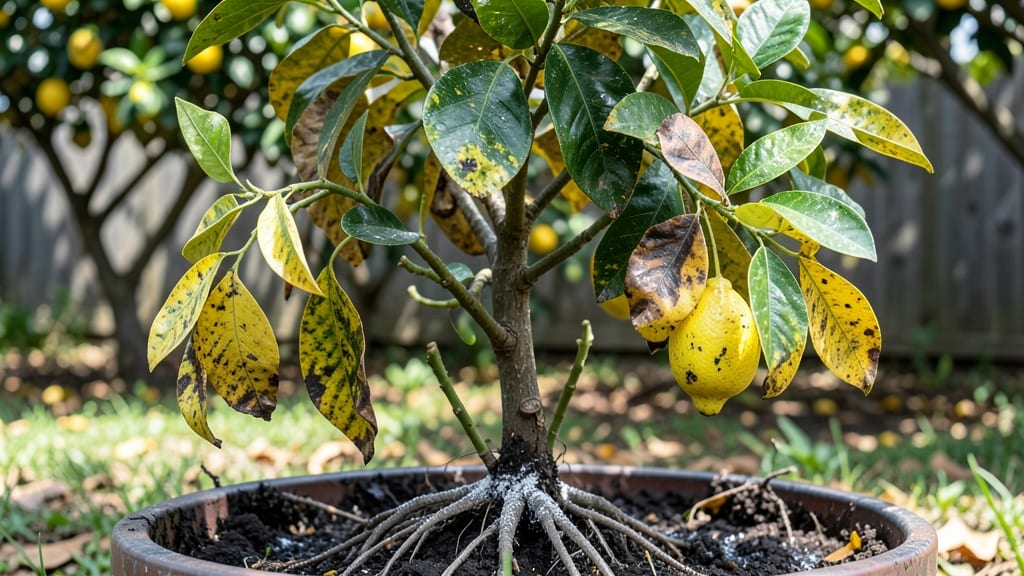
What does an overwatered citrus tree look like? That sad droop and yellow leaves aren’t just a bad hair day—they’re screaming for help. 🌿 I’ve seen this exact scene play out after weeks of well-meaning (but deadly) overwatering, and the fix starts with recognizing the signs before the roots rot beyond saving.
Look for leaves that turn yellow from the bottom up, while the tips stay green—a classic "overwatered blush." The soil stays soggy for days, smells musty, and the tree’s canopy sags like it’s exhausted.
Worse, the bark might peel or ooze sap where roots are drowning. Between you and me, I’ve killed three Meyer lemons this way before I learned to check soil moisture with my finger.
The good news? You can nurse it back to health with proper drainage, a temporary water fast, and a closer eye on your watering schedule. Within weeks, you’ll see fresh green leaves pushing through, and that citrusy scent will return stronger than ever.
The key is acting fast—once root rot sets in, even the hardiest tree can’t bounce back.
Here’s the thing—most people water citrus too often, thinking it’s a tropical plant that loves moisture. But those same trees thrive in Mediterranean climates where summers are dry. Let the top 2-3 inches of soil dry out between waterings, and watch your tree rebound.
Trust me, your future self will thank you when you’re harvesting oranges instead of mourning a sad, yellowing skeleton.
Root Causes of Overwatering
When your citrus tree starts looking like it’s drowning rather than thriving, the issue usually boils down to a few key factors. Understanding why this happens helps you fix the problem before it’s too late.
Let’s break down the science behind overwatering and how it sneaks up on even the most attentive gardeners.
Citrus trees hate soggy roots. If your pot or soil doesn’t drain well, excess water pools around the roots instead of draining away. This creates an oxygen-deprived environment, where roots suffocate and can’t absorb nutrients or water efficiently.
- Clay or compacted soil: Heavy soils retain moisture like a sponge, preventing water from escaping. If you’ve ever squeezed a handful of wet clay and watched it stay clumped, you’ve seen the problem.
- Pots without drainage holes: Without exits for excess water, pots become temporary ponds. Even "self-watering" pots can trap moisture if not monitored.
- Mulch piled too high: While mulch helps retain moisture, a thick layer (over 2–3 inches) can smother the soil, trapping heat and preventing evaporation.
💡 Pro Tip: Test your soil’s drainage by filling a pot with water, then timing how long it takes to drain completely. If it’s still damp after 30+ minutes, you’ve got a drainage issue.
Citrus trees are drought-tolerant natives of Mediterranean climates—they’re used to dry spells, not constant hydration. Watering on a rigid schedule (e.g., every Tuesday and Thursday) without checking soil moisture can lead to chronic overwatering.
- Ignoring weather conditions: Rainy seasons or humid days mean the soil stays wet longer. If you’re watering based on a calendar instead of the environment, you’re likely overdoing it.
- Assuming "more is better": Some gardeners believe citrus trees need frequent watering to produce fruit, but this is a myth. Too much water dilutes nutrients and stresses the tree.
- Automatic irrigation gone wild: Drip systems or timers set too aggressively can turn your citrus tree’s roots into a swamp, especially in cooler months when evaporation slows.
🌡️ Science Check: The ideal watering rule is to wait until the top 1–2 inches of soil are dry. Stick your finger in—if it’s damp, wait. If it’s bone-dry, it’s already too late for that watering.
When roots outgrow their space, they become root-bound, circling the pot like a tangled mess. This restricts water flow, causing roots to suffocate and forcing the tree to signal distress (hello, yellow leaves!).
- Pots too small for the tree’s size: A mature citrus tree needs a pot at least 12–18 inches in diameter. If roots are crammed, they can’t access oxygen or water properly.
- No repotting schedule: Citrus trees should be repotted every 2–3 years (or when roots circle the pot). Without this, roots strangle themselves.
- Improper potting mix: Cheap, dense mixes (like pure garden soil) compact over time, reducing aeration and drainage.
🔥 Warning Sign: If you see roots growing out of drainage holes or circling the pot’s interior, it’s time to upgrade the real estate. Roots need room to breathe—literally.
Waterlogged soil is a fungal buffet. Pathogens like Phytophthora and Fusarium thrive in wet conditions, attacking roots and blocking water/nutrient uptake. This leads to wilting, yellowing, and even tree death if untreated.
- Saturated soil = fungal party: Fungi spread rapidly in standing water, creating lesions on roots that prevent absorption.
- Moldy soil smell: If your potting mix smells musty or looks fuzzy, fungi are already feasting on your tree’s roots.
- Weakened tree defenses: Overwatered trees are stressed and more susceptible to diseases, creating a vicious cycle.
🎯 Prevention Tip: Use sterilized potting mix (heat-treated or fresh from the bag) and avoid wetting the foliage when watering to reduce fungal spores in the air.
Now that you know the why, the next step is fixing it—stay tuned for actionable solutions to revive your citrus tree’s health! 🍊💦
Revive Your Citrus Tree Now
Overwatering can feel like a slow-motion disaster for citrus trees, but the good news is that many of these issues are reversible with the right approach. Below, we’ll break down specific fixes for each symptom of overwatering—plus prevention tips to keep your tree thriving long-term.
Yellowing leaves are often the first sign of overwatering, but they can also indicate nutrient deficiencies. Here’s how to tackle it:
1️⃣ Adjust Your Watering Routine
- Stop watering immediately for 3–5 days to let the soil dry out. Check moisture by sticking your finger 2–3 inches deep—if it’s damp, wait longer.
- Water deeply but less frequently. Citrus trees prefer dry spells between waterings.
Aim for 1–2 inches of water per week (including rainfall), adjusting for heat or clay soil. - Use the "soak-and-dry" method: Water thoroughly until it drains from the bottom, then wait until the top 1–2 inches of soil feel dry before watering again.
2️⃣ Improve Soil Drainage
- Aerate compacted soil with a garden fork or tilling tool to help roots breathe.
- Mix in organic matter: Add compost or coarse sand (10–20%) to heavy clay soil to improve drainage.
- Consider raised beds or containers if your yard has poor drainage.
Citrus trees in pots should have drainage holes and a well-draining potting mix.
3️⃣ Fertilize for Recovery
Yellow leaves can also signal a lack of iron or nitrogen. Use a balanced citrus fertilizer (like 6-6-6 or 8-3-9) or a chelated iron supplement to restore greenery. Follow package instructions for dosage.
A sagging tree is a red flag—it’s struggling to absorb water or oxygen. Act fast with these steps:
1️⃣ Prune Damaged Branches
- Remove mushy or blackened branches with sterilized pruning shears to prevent fungal infections.
- Cut back to healthy wood (green or light brown) just above a leaf node or bud.
- Avoid heavy pruning—focus on dead or dying limbs to reduce stress.
2️⃣ Rebalance Soil Moisture - Test soil moisture with a moisture meter or your finger.
If the root zone is soggy, hold off on watering until the top 4–6 inches are dry. - Mulch properly: Apply 2–3 inches of organic mulch (like wood chips or straw) around the base, but keep it 2–3 inches away from the trunk to prevent rot.
3️⃣ Boost Root Health
- Apply a root stimulator (like mycorrhizal fungi or seaweed extract) to help damaged roots recover.
- Avoid heavy foot traffic near the tree—compacted soil worsens drainage issues.
If your tree has black, mushy roots or a foul smell, root rot may have set in. This is serious but can sometimes be managed:
1️⃣ Emergency Drainage Fixes
- Dig a shallow trench around the tree (12–18 inches deep) to encourage water runoff.
- Install a French drain if your yard has poor drainage, directing water away from the root zone.
- For container-grown citrus, repot into a larger container with fresh, well-draining soil and check drainage holes.
2️⃣ Fungal Treatment (If Needed)
- Apply a fungicide (like copper-based or neem oil spray) to prevent further spread.
- Remove infected soil around the roots and replace it with sterile potting mix or compost.
3️⃣ Long-Term Prevention
- Plant citrus in the right spot: Choose a location with full sun (6+ hours/day) and well-draining soil.
- Avoid watering at night—wet foliage encourages fungal growth.
- Monitor soil moisture regularly, especially in monsoon seasons or heavy clay soils.
Once your citrus tree recovers, prevent future overwatering with these habits:
✅ 💡 Water Smart: Use a rain gauge or smart irrigation timer to track watering cycles. Citrus trees hate soggy feet—always err on the side of underwatering.
✅ 🌡️ Check Soil Type: If you have clay soil, amend it with sand or perlite before planting. Sandy soil may need more frequent deep watering.
✅ 🎯 Mulch Like a Pro: Mulch helps retain moisture but doesn’t replace proper drainage. Use straw or pine needles (avoid wood chips near the trunk).
✅ 🍎 Observe the Tree: Healthy citrus leaves should be dark green and glossy. If you see yellowing, wilting, or mold, adjust watering immediately.
✅ 🔄 Rotate Watering Zones: If using a sprinkler, avoid wetting leaves to prevent fungal diseases like citrus scab.
Reviving an overwatered citrus tree takes time, but with consistent care, your tree can bounce back—often stronger than before. Start with drainage fixes, adjust your watering habits, and keep an eye on soil health.
Soon, you’ll be back to enjoying juicy oranges, lemons, and limes without the stress!
🚀 Pro Tip: If your tree is severely stressed, consider partial shade for a few weeks to help it recover while you work on drainage.
Frequently asked questions
What’s the difference between yellow leaves from overwatering vs. underwatering?
Overwatered citrus leaves turn yellow from the bottom up, often with green tips—like a sunburnt blush. The soil stays soggy, and leaves may feel mushy. Underwatered leaves yellow evenly and feel crispy/dry, with soil pulling away from pot edges. Check soil moisture: if it’s damp at 2 inches deep, you’re overwatering.
Can I still save my citrus tree if the roots smell rotten?
Yes, but act fast! Trim away black/mushy roots with sterilized shears, then repot in fresh, sterile potting mix with perlite for drainage. Add a fungicide (like neem oil) and stop watering for 5–7 days to let roots recover. If >50% of roots are rotten, recovery is unlikely—start with a cutting instead.
How often should I water a newly repotted citrus tree?
Wait 3–5 days after repotting to let roots settle, then water lightly. After that, water only when the top 1–2 inches of soil are dry—usually every 7–10 days in summer (less in winter). Use your finger: if soil feels damp at 1 inch deep, wait. Overwatering new pots is the #1 mistake!
Why does my citrus tree droop even after I stop watering?
Drooping can linger for 2–4 weeks as roots recover. If the tree stays limp beyond that, check for root rot (black/mushy roots) or nutrient deficiency (yellow leaves with green veins). Prune dead branches, fertilize with chelated iron, and ensure full sun—citrus trees need light to rebuild energy!
Is it better to underwater or overwater citrus trees?
Citrus trees prefer slight drought over soggy soil—underwatering is less damaging. The key is consistent dry spells: water deeply when soil is dry, then let it dry 50% between waterings. Overwatering risks root rot; underwatering causes leaf drop but rarely kills the tree if corrected quickly.