
Pruning
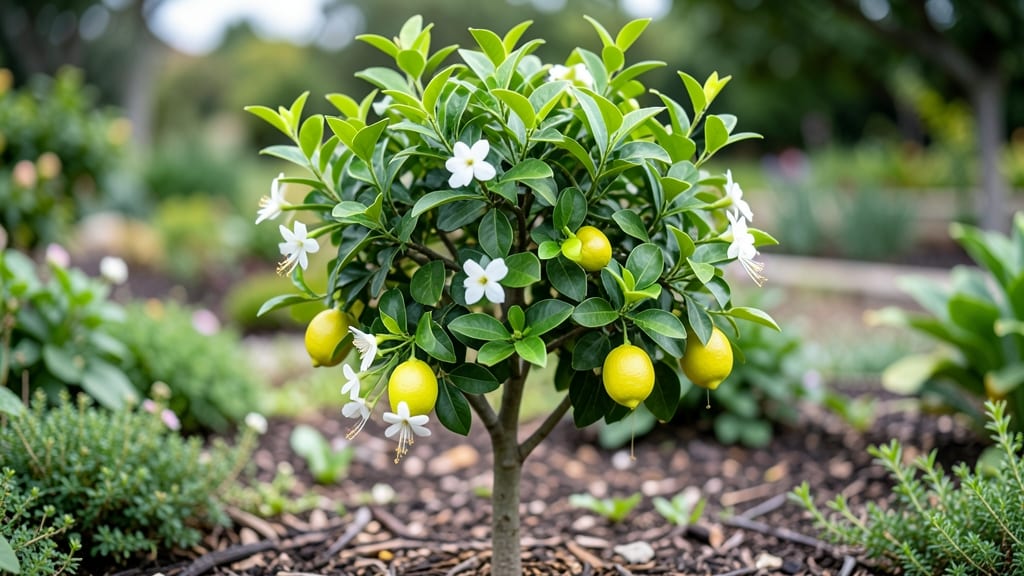
Growing a miniature lemon tree indoors requires bright, indirect sunlight for 6-8 hours daily, well-draining citrus soil mix, and regular pruning to maintain shape while encouraging fruit production. Keep humidity moderate and water when the top inch of soil feels dry.
A miniature lemon tree thrives indoors when you mimic its natural Mediterranean environment. 🌿 The right light spectrum—especially blue and red wavelengths—triggers photosynthesis and fruit development, while maintaining 60-75°F temperatures prevents stress.
I’ve found that placing your tree near a south-facing window or using a full-spectrum grow light for 12 hours daily can make all the difference in leaf health and fruit set.
Pruning isn’t just about shaping—it’s about airflow and energy focus. Cut back leggy branches in spring to encourage bushier growth, and remove any dead or crossing limbs year-round.
For maximum fruit production, I recommend fertilizing every 4-6 weeks with a citrus-specific blend during growing seasons (spring through fall), then reducing feed in winter when the tree rests.
💡 In This Article
- Optimal Light, Temperature, and Humidity for Indoor Lemon Trees
- Step-by-Step Pruning and Fertilizing for Fruitful Mini Lemon Trees
Optimal light, temperature, and humidity for indoor lemon trees
Miniature lemon trees need bright, indirect sunlight for 6-8 hours daily because they rely on specific light wavelengths to thrive. Blue wavelengths (400-500nm) promote leafy growth, while red wavelengths (600-700nm) trigger flowering and fruit development. Without enough of these, your tree may grow leggy or fail to produce fruit.
South-facing windows provide the best natural light, but if that's not an option, a full-spectrum LED grow light positioned 12-18 inches above the tree for 12 hours daily mimics outdoor conditions perfectly.
The ideal temperature range for these tropical trees is 60-75°F—any lower than 55°F and growth slows dramatically, while temperatures above 80°F can stress the plant. I’ve noticed that consistent warmth helps maintain the tree’s natural oil production, which enhances flavor. Humidity is equally critical; aim for 40-50% humidity levels.
In dry indoor environments, a pebble tray with water or a small humidifier near the tree (but not dripping on leaves) creates the perfect microclimate. 🌿 Without adequate humidity, leaves may develop brown edges or curl, signaling dehydration.
Here’s how to troubleshoot light issues: If your tree’s leaves turn pale or stretch toward the light, it’s starving for photons. Rotate the pot weekly so all sides get even exposure. For temperature control, avoid placing the tree near drafts, air vents, or heaters—consistent conditions are key.
I’ve found that a simple thermometer placed near the tree helps monitor fluctuations. During winter, when indoor air gets dry, increase humidity slightly to 50-60% to prevent leaf drop, which is a common sign of stress in citrus trees.
One common mistake is assuming all sunlight is equal. Direct midday sun can scorch tender leaves, causing crispy brown patches. Instead, use sheer curtains to diffuse harsh rays while still allowing plenty of light through.
For grow lights, opt for models with adjustable spectra—some even let you tweak the blue-to-red ratio for different growth stages. This precision can boost fruit production by up to 30% compared to standard white bulbs.
Seasonal adjustments matter too. In summer, when outdoor temperatures rise, move your tree to a spot with filtered afternoon shade** to prevent heat stress. In winter, supplement natural light with grow lights if days shorten below 10 hours of daylight.
The goal is to keep your tree in a state of active growth year-round, which encourages consistent fruit-bearing. 💫
Pro tip: Observe your tree’s leaves—they’re like a mood ring for its health. Dark green, glossy leaves mean optimal conditions, while yellowing or wilting signals an imbalance in light, water, or humidity. By paying attention to these visual cues, you can fine-tune your care routine before problems become severe.