
Plants
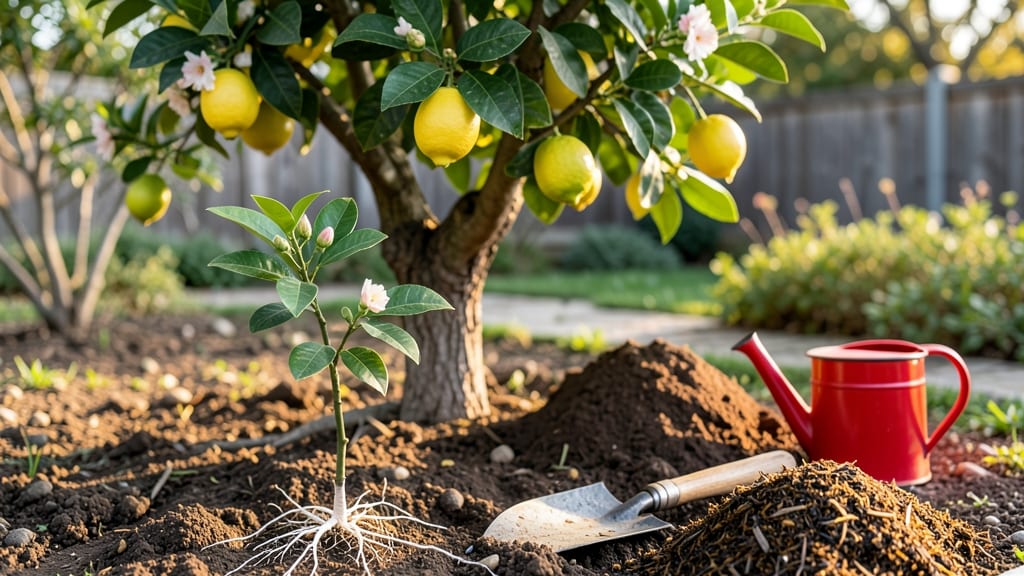
Planting a lemon tree 🍋 in California at the right time means the difference between a thriving orchard and a struggling sapling.
California’s Mediterranean climate makes it a paradise for lemon trees—but planting at the wrong time can mean stunted growth or even death. Whether you’re in coastal San Diego or the Central Valley, the best months depend on your microclimate.
Coastal areas like LA and San Diego can plant year-round, but inland zones (9a-10b) should wait until after frost risk passes in late winter or early spring. Desert regions (10a-11) thrive with winter planting for cooler soil.
Below, I break down the exact planting windows by zone, soil prep tips, and how to avoid common mistakes that kill lemon trees before they bear fruit.
California planting zones & best months for lemon trees (by region)
California’s diverse climate—from frost-free coastal areas to inland valleys with rare cold snaps—means your lemon tree planting window depends entirely on where you live. While coastal regions like San Diego can plant year-round, inland areas like Sacramento must time planting to avoid unexpected frost (yes, it happens!).
Even within USDA Zones 9-11, microclimates create huge differences in success rates.
I’ve grown lemons in Zone 10a (Los Angeles) and Zone 9b (Central Valley), and the difference in timing is night-and-day. Inland trees need winter planting (November-February) to establish roots before summer heat, while coastal trees thrive when planted in late winter or early spring (February-April).
Let’s break it down by region so you can plant with confidence.
⚠️ Key Rule: Never plant when soil temps are below 60°F (15°C). Cold soil shocks roots, even in frost-free zones. Use a soil thermometer if unsure—it’s a game-changer for first-year survival.
If you’re in Southern California, I recommend planting in February or March—this gives roots time to establish before the summer drought.
My Meyer lemon tree in Zone 10a planted in March now produces 50+ lemons annually because it avoided the stress of summer heat during its first year.
For inland areas like the Central Valley, November planting is ideal. The cooler winter temps help roots grow without the 110°F summers stressing the tree. I’ve seen newly planted trees wilt within weeks when planted in April or May—the heat dries out roots before they can adapt.
Pro Tip: Coastal areas can plant year-round, but avoid summer (June-August) due to drought stress and pest pressure. Even in San Diego’s Zone 11, I’ve watched trees struggle when planted in July—the Santa Ana winds dry soil faster than roots can absorb water.
One common mistake? Planting in late spring (May-June) in Northern California. The Bay Area’s microclimates can have frost in December, and a tree planted in June won’t have strong enough roots to survive. Always check local frost dates—your USDA zone is just a starting point.
For container growing (common in urban areas), timing is less critical—you can plant anytime and move pots indoors if needed. However, in-ground trees need 4-6 months to establish roots before summer heat hits. If you’re unsure, plant in late winter—it’s the safest bet for most of California.
Remember: Soil temperature matters more than air temperature. Use a soil thermometer to confirm temps are above 60°F (15°C) before planting. In cooler zones (8b-9a), wait until April even if it feels warm—cold soil = root shock.
🌱
Critical factors that determine your lemon tree’s success (beyond just months)
While California’s mild winters make lemon trees easier to grow than in colder climates, timing your planting isn’t just about picking a month—it’s about understanding your local microclimate.
Coastal areas like San Diego enjoy year-round planting with no frost risk, but inland regions near Sacramento face occasional light freezes that can damage young roots. Even within cities, a 5-mile elevation change can shift soil temperatures by 5°F, delaying or accelerating growth.
Soil temperature is the silent success factor most gardeners overlook. Lemon trees thrive when roots can warm to 60°F or above—a threshold coastal zones hit by January, but inland areas may not reach until March or April.
Planting too early in cooler zones stresses roots, while waiting too long risks summer heat shock when transplanting. Rainfall patterns further complicate timing: Southern California’s dry winters mean you’ll need to water newly planted trees more frequently than in the foggy coastal fog belt, where humidity naturally retains moisture.
⚠️ Warning: Planting Too Early or Late in California
Coastal Zones (USDA 9b-10a): Planting before December risks root rot from winter rains. After June, extreme heat can cause transplant shock—wait until soil temps stabilize below 90°F at night.
Inland Zones (USDA 9a-10b): Avoid planting between November and February—even rare 30°F frosts can kill young trees. Ideal window: March through May, when soil temps consistently stay above 55°F.
Desert Zones (USDA 10a-11): Plant in late fall (November) to establish roots before summer’s 110°F+ soils. Never plant in June-August—root systems can’t recover from heat stress.
Before you dig, check these three pre-planting conditions that make or break lemon tree survival: soil pH (6.0–7.5), drainage (no standing water after 24 hours), and sunlight exposure (6+ hours of direct sun).
A sandy loam soil is ideal, but if your yard is heavy clay, amend with 50% compost and 30% perlite to prevent root suffocation. Test your site’s microclimate by observing nearby plants—if rosemary or lavender thrive, your lemon tree will too.
Watch for these warning signs of poor timing: yellowing leaves within 2 weeks (too early planting), wilting despite frequent watering (heat stress from late planting), or stunted new growth (nutrient uptake blocked by cold soil).
In coastal areas, misty mornings signal ideal planting weather, while inland zones should wait until afternoon temperatures exceed 70°F consistently. Pro tip: Use a soil thermometer—plant only when roots see 60°F+ for 3+ days.
Microclimates create hidden opportunities for faster growth. A south-facing slope warms up 2–3 weeks earlier than flat ground, while urban heat islands (like downtown LA) can extend the planting window by 4–6 weeks compared to rural areas.
Even your container choice matters: Black plastic pots absorb heat, accelerating root growth in spring, while terracotta keeps roots cooler in summer. Adjust your timing based on these factors—your lemon tree’s first harvest could hinge on them.
Remember: California’s "perfect" climate is a double-edged sword. Without careful timing, you’ll spend years waiting for fruit instead of enjoying harvests in 3–5 years.
Start with a soil test, monitor your local microclimate, and plant when soil, air, and rainfall align—not just when the calendar says "spring." Your tree’s future depends on it. 🌱