
Pruning
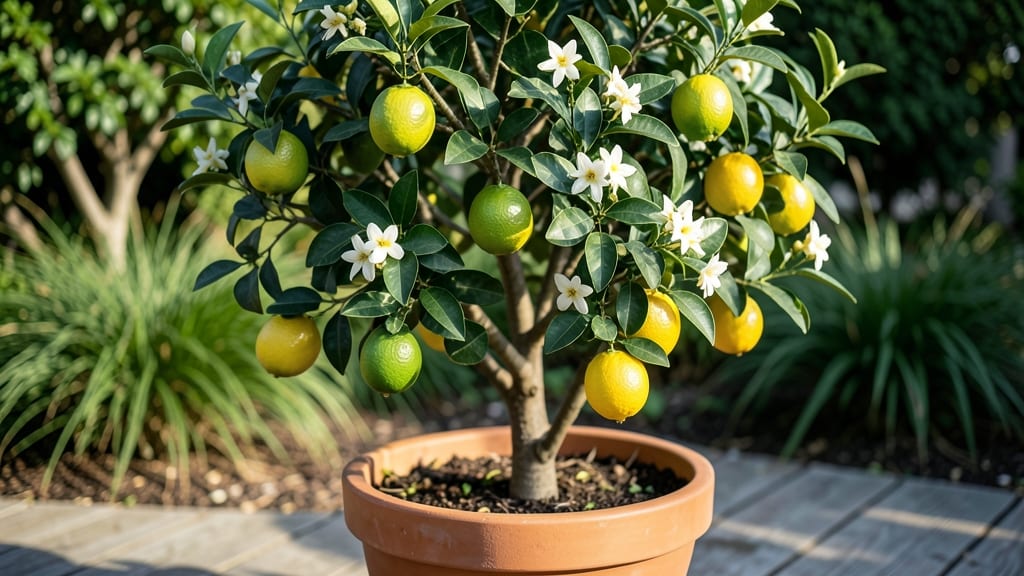
Understanding the Meyer lemon tree temp tolerance is the key to keeping your 🍋 thriving year-round, whether you're in a balmy Zone 10 or a cooler Zone 9.
If you love Meyer lemon trees but live in an area with extreme temperatures—whether scorching summers or freezing winters—you’re not alone in wondering how to keep your citrus thriving. Unlike their tougher citrus cousins, Meyer lemons have specific temperature limits that can make or break your harvest.
Too much heat? Your tree might drop its precious fruit or wilt under the midday sun. Too cold? A single frost can turn leaves black and send roots into shock.
The good news? With the right strategies—like shade cloth in summer or a cozy greenhouse in winter—you can push those limits and enjoy homegrown lemons almost year-round.
Below, I’ll break down the exact temperature ranges your Meyer lemon needs to flower, fruit, and flourish, plus actionable tips to protect it from both heat stress and chilly surprises—no matter where you grow.
Meyer lemon tree heat tolerance: safe temperature ranges and summer care tips
Meyer lemon trees thrive in warm climates but have clear heat tolerance limits that can stress or even kill them if ignored. While they love sunshine, temperatures above 95°F (35°C) for extended periods can cause leaf burn, wilting, and fruit drop.
Understanding these safe temperature ranges is key to keeping your tree productive and healthy during summer's peak.
In my experience, Meyer lemons perform best when daytime temperatures stay between 70-85°F (21-29°C), with nighttime lows above 60°F (15°C). Humidity also plays a role—low humidity (40% or below) can exacerbate heat stress, while moderate humidity (50-60%) helps the tree regulate its internal temperature.
If you're in a hot, dry climate, proactive summer care can make all the difference.
⚠️ CRITICAL THRESHOLDS: Temperatures above 100°F (38°C) for more than a few hours can lead to permanent damage, while prolonged exposure to 110°F (43°C) often results in leaf scorch and reduced fruiting. Even if your tree survives, the quality of lemons may suffer—expect smaller, less flavorful fruit when heat stress occurs.
| Temperature Range | Ideal Conditions | Heat Stress Signs | Care Actions |
|---|---|---|---|
| 60-70°F (15-21°C) | Optimal growth, flowering, fruiting | None | Normal watering, fertilize monthly |
| 70-85°F (21-29°C) | Best for fruiting, minimal stress | None (ideal range) | Increase watering, shade cloth 30% |
| 85-95°F (29-35°C) | Tolerable with care | Wilting leaves, slight leaf drop | Daily watering, 50% shade cloth, mulch |
| 95-100°F (35-38°C) | Danger zone | Leaf burn, fruit drop, yellowing | Emergency shade (70%+), soak roots, pause fertilizing |
| 100°F+ (38°C+) | Critical threshold | Severe wilting, leaf scorch, root stress | Full shade, drip irrigation, prune damaged leaves |
One of the first signs of heat stress in Meyer lemons is leaf curling or yellowing, often starting on the older leaves. If you notice this, act fast by providing afternoon shade and increasing watering frequency.
I’ve seen trees recover from mild heat stress with proper care, but prolonged exposure can lead to permanent damage to the canopy and reduced fruit set for the next season.
To protect your tree during summer, focus on three key strategies: shade management, deep watering, and mulching. A 30-50% shade cloth can reduce leaf temperature by up to 10°F (5.5°C), which is often enough to keep your tree comfortable.
For container-grown Meyer lemons, move them to a shadier spot during peak afternoon heat (2 PM - 6 PM) for best results.
Watering is equally critical—Meyer lemons need 1-2 gallons of water per day during extreme heat, especially if grown in containers. The key is deep, infrequent watering to encourage root growth.
I recommend using drip irrigation or soaker hoses to deliver water directly to the root zone, which reduces evaporation and keeps the soil consistently moist. Avoid overhead watering, as wet leaves can lead to sunburn when combined with high temperatures.
Mulching is another often-overlooked tactic that can improve heat tolerance. Apply a 3-4 inch layer of organic mulch (like straw or wood chips) around the base of your tree to insulate the roots and retain moisture.
This simple step can reduce soil temperature by up to 10°F (5.5°C) and prevent the roots from overheating. Just be sure to keep the mulch 6 inches away from the trunk to avoid rot.
If your Meyer lemon is struggling despite your best efforts, consider pruning stressed leaves to redirect the tree’s energy toward new growth and fruiting. Remove any yellow or brown leaves and any fruit that’s already dropped, as this can signal the tree to focus on recovery.
In extreme cases, you might need to reduce the tree’s canopy by up to 20% to improve airflow and reduce heat absorption.
For gardeners in Zone
Cold hardiness of Meyer lemon trees: how low can temperatures go before damage?
Meyer lemon trees thrive in warm climates but struggle when temperatures drop. Unlike their hardy citrus relatives, these trees are sensitive to cold, with leaves, fruit, and roots reacting differently to chilly conditions. Understanding these thresholds helps you protect your tree and ensure a healthy harvest.
In their native USDA Zones 9-11, Meyer lemons grow year-round, but even a light frost can damage them. For gardeners in cooler zones, knowing how to shield your tree from cold snaps is essential. Let’s break down the critical temperature limits and what happens when they’re exceeded.
⚠️ Critical Cold Thresholds for Meyer Lemon Trees
32°F (0°C) is the absolute minimum temperature for Meyer lemons. Below this, leaves and fruit will suffer damage, while prolonged exposure can harm roots. A light freeze (28-32°F) may cause leaf burn, while hard freezes (below 28°F) can kill the tree entirely.
Zone 9 gardeners should move potted trees indoors or use protective covers. In-ground trees need heavy mulching and windbreaks to survive winter.
Your Meyer lemon’s leaves are the first to show signs of cold stress. When temperatures dip to 40°F (4°C), leaves may yellow or develop brown edges.
This is your tree’s way of saying, "I’m uncomfortable!" If the cold persists, leaves will drop, reducing the tree’s ability to photosynthesize and produce energy for growth.
Fruit is even more sensitive. Meyer lemons exposed to 35°F (2°C) or lower will develop brown spots or soften, making them unmarketable. Worse, the fruit may drop prematurely, wasting your harvest. Protecting your tree from cold snaps is key to keeping those sweet, juicy lemons on the branches.
Root damage is the most dangerous cold-related issue. Since roots absorb water and nutrients, freezing soil can stunt growth or even kill the tree. In Zone 9, where winters are milder, roots can survive down to 35°F (2°C), but prolonged cold weakens them.
Mulch heavily with straw or wood chips to insulate roots and retain warmth.
For gardeners in Zones 8 and below, growing Meyer lemons outdoors is challenging but not impossible. Use large containers (15+ gallons) for mobility—move trees indoors or under cover when temperatures drop below 40°F (4°C).
A garage, shed, or even a sunny porch can work if daytime temps stay mild.
If you’re in a frost-prone area, consider dwarf varieties or citrus hybrids like 'Improved Meyer' or 'Ponderosa' lemons, which tolerate slightly cooler temps. Combine this with protective measures like frost cloths or row covers for extra defense during cold snaps.
With the right care, you can still enjoy homegrown lemons—even in cooler climates! 🌱