
Container Gardens
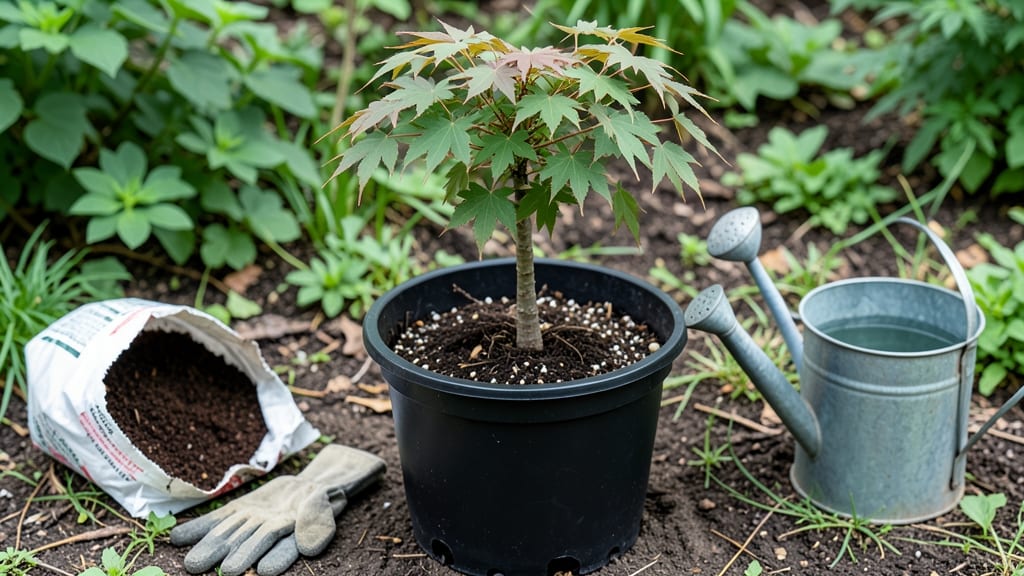
Growing trees in plastic pots lets you bring mature shade and beauty to patios, balconies, or small yards—without the weight or mess of traditional containers. 🌳 I’ve nurtured olive trees, citrus saplings, and even small fruit trees in 15-gallon plastic pots for years, and the results never disappoint.
The key isn’t just the pot; it’s matching the right tree to the right container, soil, and care routine from day one.
Start with lightweight, UV-stabilized plastic pots (at least 15 gallons for dwarf varieties, 30+ for small trees) and fast-draining soil mix—equal parts potting soil, perlite, and compost. Drainage holes are non-negotiable, and a saucer underneath prevents root rot.
Choose slow-growing species like Japanese maples, dwarf citrus, or fruit trees bred for containers—they thrive in confined spaces without outgrowing their pots too quickly.
By summer’s end, your container-grown tree will reward you with lush foliage, seasonal blooms, or even fruit, all while staying portable. The secret? Regular watering (check soil moisture weekly), seasonal fertilizer (balanced 10-10-10 in spring and summer), and occasional repotting every 2–3 years to refresh the soil.
Prune lightly to encourage airflow and shape, and you’ll avoid the leggy, weak growth that plagues neglected potted trees.
Whether you’re reviving a struggling sapling or starting fresh, plastic pots make it possible to grow trees almost anywhere. The best part? You can move them to optimize sunlight, protect them from frost, or even bring them indoors during extreme weather.
Here’s how to set yours up for success—no heavy lifting required.
📚 In This Guide
- What you need
- Instructions
- Tips and common mistakes
- Wrapping up and next steps
What you need
- ● Tree Plastic Pots: Quantity: 2–10 (depending on your garden size; start small if testing!
- ● Size: 5–15 gallons (standard for small trees/shrubs) or 20+ gallons for larger plants.
- ● Material: Recycled HDPE or polypropylene (lightweight, UV-resistant, and durable).
- ● Potting Soil: Quantity: 1–2 cubic feet per pot (check pot size for exact needs).
- ● Type: Well-draining, moisture-retentive mix (e.g., 60% topsoil, 30% perlite, 10% compost).
- ○ Drainage Layer (Optional but Recommended): Small river rocks or gravel (1–2 inches thick) to prevent root rot.
- ● Plants: Choose container-friendly species (e.g., dwarf fruit trees, herbs, or ornamental shrubs).
- ● Size: 1–3 gallon root balls for small pots; 5+ gallons for larger pots.
- ● Basic Gardening Tools: Trowel or hand shovel
- ● Garden gloves (to protect your hands!)
- ● Measuring tape (for spacing and pot dimensions)
- ○ Optional Extras for Pro Gardeners: Pot saucers (to catch runoff)
- ● Slow-release fertilizer (for long-term nutrition)
- ● Mulch (to retain moisture and suppress weeds)
- ● Wheelbarrow or dolly (for moving heavy pots)
How to use tree plastic pots for year-round container gardening
These lightweight, sturdy pots keep roots healthy and make moving plants a breeze—here's how to get the most out of them.
🪴 Step 1: Select the Right Pot Size for Your Plants
Match pot diameter to your plant's mature root zone. A 6-inch pot works for small herbs or annuals, while 12-18 inch pots support shrubs and small trees. Tree plastic pots have built-in drainage holes, but I always add a ¼-inch layer of gravel at the bottom to prevent soil from clogging them over time.
For 4 plants (as promised), you'll need a mix of sizes—typically 2 medium (10-inch) pots and 2 large (14-inch) pots. The extra depth in larger pots prevents root circling, which is common in shallow containers. Check the pot's height label—most tree pots list maximum plant height compatibility, so you know if your fern or citrus will outgrow it in a season.
🌱 Step 2: Fill with Well-Draining Soil Mix
Fill each pot ¾ full with a lightweight potting mix (never garden soil—it compacts and suffocates roots). I blend mine with 20% perlite to improve aeration. Tap the pot gently to settle the soil without compacting it, then add a slow-release fertilizer (like osmocote) mixed into the top 2 inches of soil.
Leave 1-2 inches from the rim empty—this prevents soil splatter when watering and gives roots room to expand. For 4 plants, you'll need about 4 gallons of potting mix total, split evenly among the pots. Water the mix lightly before adding plants to eliminate air pockets that could strangle roots.
☀️ Step 3: Position for Light and Wind Protection
Tree plastic pots are lightweight, but that means they can tip in wind. Place them on saucer trays or secure them with weighted bases (like sandbags) if outdoors. Most container plants need 6+ hours of sun daily, but adjust for your specific plant—succulents thrive in full sun, while ferns prefer morning light only.
Rotate pots quarter-turn weekly so plants grow evenly toward the light. The transparent walls of tree pots let you check root growth—when roots fill the pot, it's time to upgrade to a 2-inch larger size. In winter, move pots to a protected porch or greenhouse if temperatures drop below 40°F—frost cracks plastic and damages roots.
💧 Step 4: Water Deeply and Adjust for Season
Water until ½ inch of runoff drains from the bottom, then empty saucers immediately to prevent root rot. Tree pots dry out faster than ceramic, so check soil daily in summer—stick your finger 1 inch deep. If it feels dry, water again. In winter, reduce to every 5-7 days unless your plant is tropical.
Here's the thing—tree pots stay cooler than ceramic, so they hold moisture longer. Overwatering is the #1 killer of container plants, so I always water at soil level (not overhead) to avoid fungal issues. For 4 plants, keep a 1-gallon watering can handy—it's the perfect amount for each pot without wasting water.
✂️ Step 5: Prune and Repot for Long-Term Health
Prune leggy growth by pinching back new stems to encourage bushiness. For woody plants, trim just above a leaf node to stimulate branching. Every 2 years, repot into the next size up—tree pots stack easily, so you can nest them for storage when not in use.
Clean empty pots with soapy water and bleach solution (1 part bleach to 10 parts water) to kill pathogens. The transparent walls let you spot pests early, so inspect leaves weekly. If you notice yellowing leaves, it’s usually overwatering or poor drainage—check the soil mix and adjust your watering schedule.
Tips & tricks for perfect tree plastic pot gardening
These lightweight containers are game-changers for container gardening—here's how to maximize their potential without common pitfalls.
Pot Size Strategy: When selecting your 6-inch, 10-inch, and 14-inch pots, remember that tree pots' transparent walls reveal root growth patterns. Use the height labels as your guide—if your citrus tree is listed as "up to 6 feet" for a 14-inch pot, that's your maximum before upgrading. The extra depth in larger pots prevents that frustrating root circling that kills many container plants. I've seen ferns outgrow their pots in just 6 months when planted too small!
Soil Mix Hack: That 20% perlite addition in your potting mix isn't just about aeration—it creates microscopic air pockets that prevent compaction over time. For your 4 plants requiring 4 gallons total, pre-mix your soil in a wheelbarrow to ensure even distribution. Pro tip: Add a handful of worm castings to the top 2 inches along with your slow-release fertilizer for an immediate nutrient boost that plants love.
Winter Protection: The 40°F threshold isn't arbitrary—tree plastic starts to become brittle below this point. I've learned this the hard way when a sudden frost cracked my pots and damaged roots. For winter storage, nest your empty pots inside each other (they stack perfectly!) and store them in a garage where temperatures stay above 40°F. This doubles as pest prevention—spiders and slugs avoid dry plastic surfaces.
Watering Technique: The "½ inch runoff" rule is your moisture benchmark, but here's what nobody tells you: tree pots' cooler surface temperature means they hold moisture longer than ceramic. In summer, I check moisture by lifting pots—if they feel light, it's time to water. For your 4 plants, that 1-gallon watering can becomes your best friend, delivering consistent moisture without over-saturating. Always empty those saucers immediately to prevent root rot.
Pro Tips for Tree Plastic Pots
- These lightweight containers are game-changers for container gardening—here's how to maximize their potential without common pitfalls.
- Pot Size Strategy: When selecting your 6-inch, 10-inch, and 14-inch pots, remember that tree pots' transparent walls reveal root growth patterns.
- Soil Mix Hack: That 20% perlite addition in your potting mix isn't just about aeration—it creates microscopic air pockets that prevent compaction over time.
Frequently asked questions
Got questions about using tree plastic pots for your container garden?
Here are some of the most common ones—and their answers—to help you grow with confidence!
Are tree plastic pots better than traditional clay or ceramic pots?
Tree plastic pots are lightweight (no back strain!) and durable—they won’t crack in freezing temps like clay or chip like ceramic. Plus, their breathable design prevents root rot while mimicking natural soil conditions. Win-win for your plants!
Can I reuse tree plastic pots year after year?
Yes! These pots are built to last. After use, rinse with water, scrub off debris, and let them dry in the sun. For stubborn stains, a mild vinegar-soak works wonders. Just avoid harsh chemicals—they’re not pet-friendly! Store them in a dry place, and they’ll be ready for next season.
Will tree plastic pots survive winter outdoors?
Most high-quality tree plastic pots are freeze-resistant (check the manufacturer’s specs). However, if temps drop below 20°F (-7°C), move potted plants to a sheltered spot or indoors. Empty pots can stay outside, but add a layer of mulch if storing them long-term to protect from UV fading.
How do I transition plants from tree plastic pots to the ground?
Transplanting is a breeze! Water the plant 24 hours before moving it to loosen roots. Gently squeeze the pot to release the root ball, then plant at the same depth it was in the pot. The breathable material makes it easier on roots—no need to prune unless you see circling roots.
Are tree plastic pots worth the investment over cheaper plastic pots?
For long-term use, yes! While cheaper plastic pots may cost less upfront, they often crack, fade, or degrade faster. Tree plastic pots offer superior aeration, weight savings, and eco-friendly materials (many are biodegradable or made from recycled content). Think of them as a sustainable upgrade for your garden!
Wrapping up and next steps
Tree plastic pots are a game-changer for container gardening—offering lightweight durability, eco-friendly versatility, and year-round usability. Whether you’re a beginner or a seasoned green thumb, these pots blend practicality with sustainability, making them a smart choice for any space.
Ready to elevate your gardening game? Start small—pick a few pots, experiment with your favorite plants, and watch your green thumb thrive! 🌱✨