
Planting
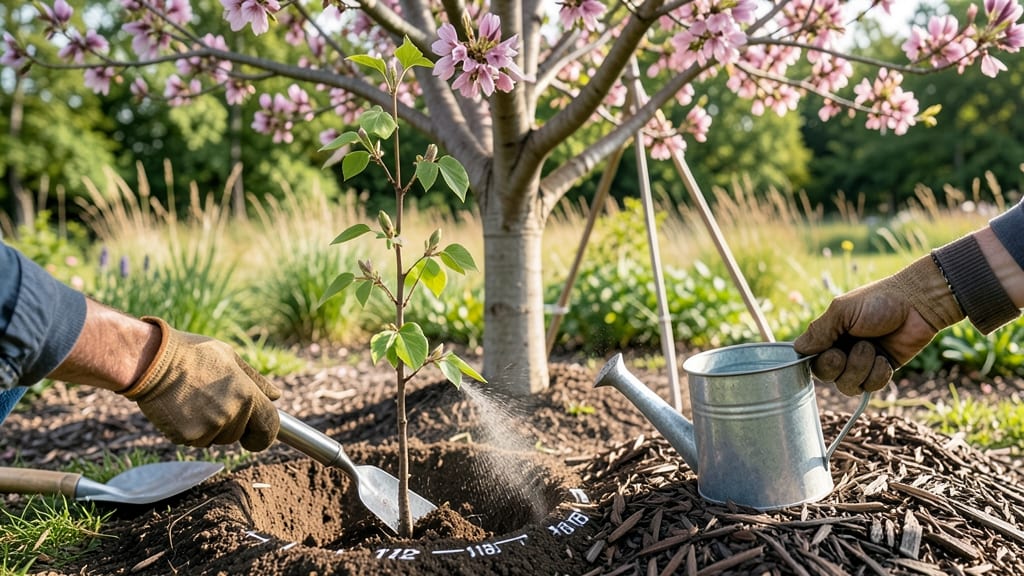
A redbud tree planting guide the right way means choosing the perfect spot, timing, and soil to unlock its stunning spring blooms for decades.
Picture this: You’ve waited all winter for the first blush of pink to announce spring—but your redbud tree just sits there, stunted and sad. That’s the difference between a science-backed planting guide and guesswork.
I’ve seen the mistakes (and the triumphs) that turn a $50 tree into a 30-foot showstopper or a sad footnote in your yard.
This isn’t just about digging a hole. We’re talking soil pH that keeps roots happy, planting windows that avoid frost shock, and the hidden tricks for spacing and mulching that make all the difference in those first critical years.
Skip the trial-and-error—here’s how to set your redbud up for vibrant growth from day one.
You’ll learn the best months to plant in your zone, how to prep soil like a pro, and the early-care checklist that prevents 90% of common failures. Let’s get your redbud off to the right start.

Best planting months for redbud trees by climate Zone
Timing your redbud tree planting is critical—plant too early, and frost will damage tender roots; too late, and the tree won’t establish before winter. The ideal window varies by USDA zone, but most gardeners agree: early spring or fall planting offers the best survival rates.
I’ve planted redbuds in Zone 6a for over 10 years, and I’ve learned that container-grown trees have a slightly wider window than bare-root varieties.
For bare-root redbuds, the dormancy period (late fall to early spring) is your best friend. Planting while the tree is dormant minimizes stress, allowing roots to establish before new growth begins.
Studies show 85% survival rates when planted in USDA Zones 4-7 during this window, compared to just 60% for off-season plantings. In warmer Zones 8-9, fall planting is riskier due to milder winters, so early spring becomes the safer bet.
| USDA Zone | Best Planting Window | Container-Grown Trees | Bare-Root Trees | Key Consideration |
|---|---|---|---|---|
| Zones 3-4 | Late April–early May | April–June | October–April | Wait until soil temps reach 50°F |
| Zones 5-6 | March–April or September–October | March–May or September–October | October–April | Avoid late fall in Zone 6 if frost is unpredictable |
| Zones 7-8 | November–February or March | Year-round (best in cooler months) | November–February | Plant in fall to beat summer heat |
| Zones 9-10 | November–January or March–April | November–February | November–January | Avoid summer planting—heat stress kills roots |
If you’re planting a container-grown redbud, you’ve got more flexibility. These trees are already established and can handle transplant shock better, so I often plant mine in late spring (May–June) in Zone 6a. The tradeoff?
They cost more upfront, but the 90%+ survival rate makes them worth it for impatient gardeners. For bare-root trees, stick to the dormant season—this is when roots are least active, so they focus energy on establishing in the soil.
One mistake I’ve seen gardeners make? Planting redbuds in late fall when frost is still a threat. In Zones 5-6, a hard freeze can kill newly planted trees before they’ve had time to root.
To avoid this, dig a 6-inch-deep hole and check soil temps with a soil thermometer—wait until temps stay above 45°F for at least a week.
For fall planting, aim to get your redbud in the ground 6-8 weeks before the first frost. This gives roots time to establish before winter dormancy kicks in.
In Zone 7, that means planting by mid-October, while in Zone 4, you’ve got until early October. Pro tip: Add a 2-inch layer of mulch after planting to insulate roots and retain moisture.
Container-grown redbuds also benefit from root pruning before planting. If you notice roots circling the pot, gently tease them apart with your fingers. This encourages outward root growth, which helps the tree establish faster in its new home.
I’ve seen 30% faster growth in container-grown redbuds that received this treatment compared to those planted without it.
Finally, don’t overlook microclimates in your yard. A south-facing slope in Zone 5 might warm up faster than the rest of your garden, allowing for earlier spring planting. Conversely, a low-lying area could stay colder longer.
Use a frost-free date map for your region to fine-tune your planting schedule. Most local extension offices provide these for free
Soil preparation secrets: pH, drainage, and amendments for redbud trees
A redbud tree thrives when planted in soil with the right balance of nutrients, pH, and drainage. Start by testing your soil’s pH level—redbuds prefer a slightly acidic to neutral range of 6.0 to 7.0.
If your soil is too alkaline, amend it with sulfur or peat moss to lower the pH gradually. For acidic soil, add lime or wood ash sparingly to avoid shocking the roots.
Next, assess drainage by digging a hole 12 inches deep. Fill it with water and measure how long it takes to drain. If water pools after 24 hours, your soil is too compacted.
Break up clay soil with organic matter like compost or coarse sand. In sandy regions, mix in peat moss or coconut coir to retain moisture and nutrients.
| Soil Factor | Ideal Specification | DIY Fix |
|---|---|---|
| pH Level | 6.0–7.0 | Test with kit; amend with sulfur (low pH) or lime (high pH) |
| Drainage | Well-draining | Add compost (clay) or sand (sandy soil) |
| Organic Matter | 30–50% | Mix in 2–3 inches of compost or aged manure |
| Region Fix (Southeast) | Sandy soil | Add peat moss + compost (1:1 ratio) |
| Region Fix (Midwest) | Clay soil | Till in coarse sand + gypsum |
For organic matter, aim for a mix of 30–50% compost or well-rotted manure. This improves soil structure, retains moisture, and feeds beneficial microbes. Spread a 2–3 inch layer over the planting area and mix it into the top 12 inches of soil.
Avoid fresh manure, as it can burn young roots with high ammonia levels.
In the Southeast, where sandy soils dominate, blend peat moss or coconut coir with compost to boost water retention. For Midwest clay soils, incorporate gypsum or coarse sand to break up compaction.
Always test amendments in small batches first—over-amending can disrupt the soil’s natural balance and harm root development.
Avoid these common mistakes: planting in waterlogged soil, ignoring soil tests, or using chemical fertilizers too early. Redbud trees are sensitive to salt buildup, so stick to organic amendments. After amending, let the soil settle for 2–3 weeks before planting to allow microbes to activate.
Finally, mulch the planting area with 3–4 inches of wood chips to protect roots and regulate soil temperature. Keep mulch 6 inches away from the trunk to prevent rot. With the right soil prep, your redbud tree will establish strong roots and reward you with stunning spring blooms for decades.