
Trees
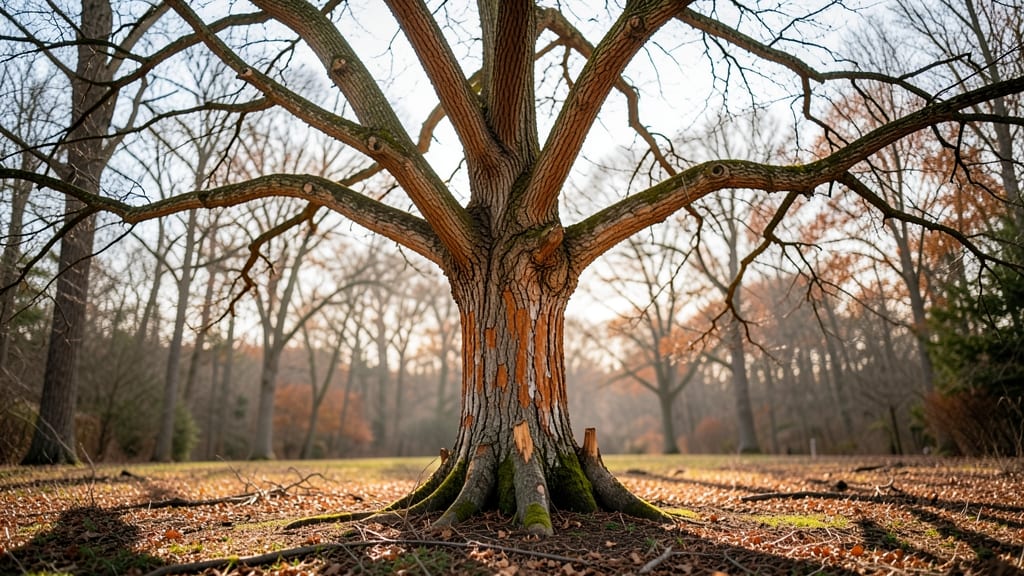
The tree that never has leaves is called an evergreen, which keeps its needle-like or scale foliage year-round to maintain photosynthesis while adapting to cold climates. Coniferous types like pines and spruces are most common, but broadleaf evergreens like holly also thrive without seasonal leaf changes.
The tree that never has leaves stays green because its specialized foliage—needles or thick leaves—evolved to resist freezing and conserve moisture. 🌲 Unlike deciduous trees that shed leaves to save energy, evergreens perform photosynthesis slowly but steadily, even in winter.
This adaptation makes them ideal for harsh climates, from boreal forests to coastal regions where temperatures fluctuate dramatically.
Beyond survival, their year-round foliage provides critical ecosystem benefits. Evergreens act as windbreaks, wildlife habitats, and carbon sinks, while their waxy coatings deter pests and reduce water loss. For homeowners, this means less seasonal cleanup and more consistent privacy or shade year after year.
💡 In This Article
- How Evergreen Trees Adapt to Stay Green All Year
- Top 5 Evergreen Trees for Landscaping and Climate Resistance
How evergreen trees adapt to stay green all year
Evergreen trees stay green year-round thanks to a specialized combination of needle-like or scale foliage and a built-in survival strategy. Their leaves are typically long, thin, and covered in a thick, waxy cuticle that reduces water loss by up to 90% compared to broad leaves.
This adaptation is crucial in cold climates where freezing temperatures would otherwise damage delicate foliage. The needle structure also minimizes surface area, allowing snow to slide off easily rather than accumulating and breaking branches.
The key to their persistence lies in their slow metabolic rate. Unlike deciduous trees that shed leaves to conserve energy during winter, evergreens perform photosynthesis at a reduced but steady pace. Their needles contain chlorophyll year-round, enabling them to capture sunlight even in short winter days.
For example, a Eastern white pine can continue producing sugars at temperatures as low as 10°F, though at just 10-20% of its summer capacity. This efficiency allows them to sustain themselves without the need for seasonal dormancy.
Another critical adaptation is their nutrient recycling system. Evergreen needles can live for 2-7 years, gradually breaking down and releasing nutrients back into the tree. This slow turnover means evergreens don't need to "reset" annually like deciduous trees.
For instance, a Douglas fir might retain its needles for 5-10 years, creating a nutrient-rich "bank" that supports steady growth. This strategy is particularly advantageous in nutrient-poor soils common to boreal forests.
Evergreens also excel in drought resistance due to their deep root systems and efficient water transport. The stomata (pores) on their needles are often sunken and surrounded by waxy layers, further reducing moisture loss.
In contrast, deciduous trees must rely on stored nutrients in their roots and trunk during winter, making them more vulnerable to extreme conditions. This biological efficiency explains why evergreens dominate ecosystems from the Alaskan tundra to the Mediterranean scrublands, where water and temperature extremes are common.
There's a fascinating trade-off in their strategy: while evergreens conserve resources, they invest heavily in individual leaves. A single Ponderosa pine needle might weigh just 0.0001 ounces, but its longevity and efficiency make it a powerhouse for survival.
This is why you'll often see evergreens thriving where deciduous trees would struggle—like on steep slopes or rocky outcrops where water retention is critical. Their persistence isn't just about staying green; it's about mastering resource conservation in challenging environments.
The contrast with deciduous trees highlights this adaptation. Deciduous trees like oaks or maples prioritize rapid growth during summer, then shed leaves to conserve energy. Evergreens, however, prioritize endurance, making them the ultimate survivors in harsh climates.
This biological trade-off explains why you'll find evergreens from the Arctic Circle to the tropical highlands, adapting their strategies to local conditions while maintaining their iconic year-round foliage. 🌲