
Trees
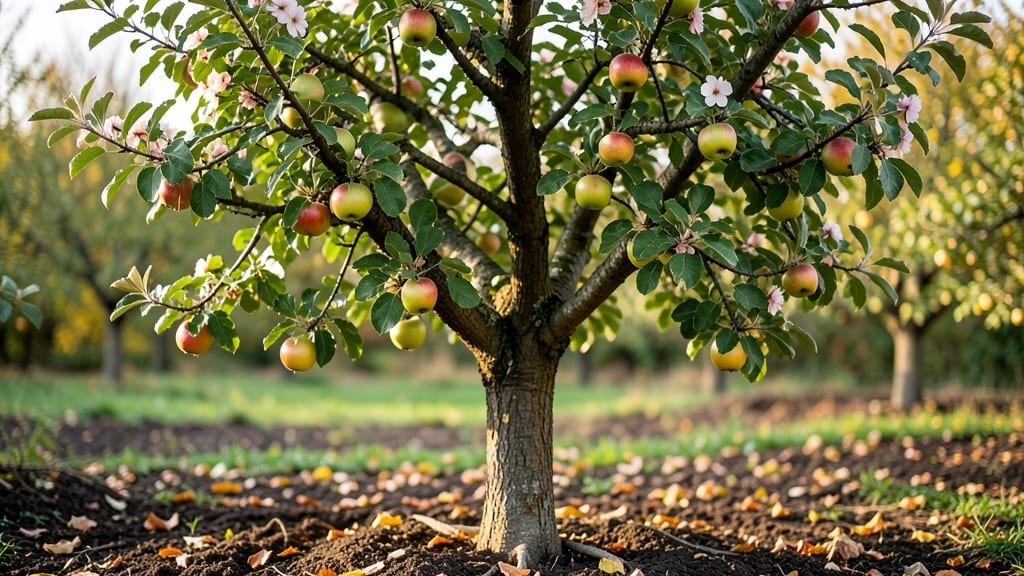
Yes, one apple tree can produce fruit if it's the right variety, properly pollinated, mature enough (typically 3-5 years old), and given adequate sunlight, water, and pruning. Self-pollinating types like 'Liberty' or 'Enterprise' can bear fruit alone, while others need a second tree for cross-pollination.
Apple trees aren't one-size-fits-all when it comes to fruiting. 🌳 The key difference lies in their pollination needs—some varieties, called self-fertile, can produce fruit with just their own blossoms, while others absolutely require pollen from a different tree.
Even self-pollinating trees benefit from cross-pollination for better fruit set, so having a second variety nearby often increases yield. For example, 'Gala' apples typically need another tree, while 'Honeycrisp' can sometimes fruit alone but thrives with a partner.
Beyond pollination, your tree's first harvest depends on proper growing conditions. Young trees need full sun (6+ hours daily), well-draining soil rich in organic matter, and consistent moisture—especially during flowering and fruit development.
Pruning in late winter removes dead wood while opening the canopy for better airflow, which reduces disease risk and encourages more blossoms next season. I've found that trees planted in USDA zones 4-8 with proper winter chilling hours (300-1,000 hours below 45°F) produce the most reliable fruit.
💡 In This Article
- Pollination Requirements for Apple Tree Fruit Production
- Optimizing Conditions for Your Apple Tree’s First Harvest
Pollination requirements for apple tree fruit production
The ability of an apple tree to produce fruit hinges on its pollination type. Self-fertile varieties like 'Liberty' or 'Enterprise' contain both male and female reproductive parts in their blossoms, allowing them to pollinate themselves.
These cultivars can set fruit alone, though yields often improve with cross-pollination from a different variety. In contrast, cross-pollinated types like 'Gala' or 'Fuji' require pollen from a separate tree to achieve fruit set, as their blossoms lack sufficient pollen or compatible genetics.
Pollination timing is critical—apple blossoms typically open in spring when temperatures reach 55-65°F for 3-5 consecutive days. Bees are the primary pollinators, transferring pollen between blossoms, but wind also plays a role in some varieties.
A single bee can visit up to 1,000 blossoms per hour, making them essential for maximizing fruit production. Climate factors like early frost or rain during bloom can reduce pollinator activity, leading to poor fruit set.
For example, a cold snap below 32°F during flowering can damage blossoms entirely, while excessive rain may wash away pollen.
Here's what's actually happening on a cellular level: Pollen grains land on the stigma of a blossom, germinate, and grow a pollen tube down the style to fertilize the ovule. This process takes about 24-48 hours in optimal conditions.
Self-fertile trees have higher success rates because their pollen is genetically compatible with their own ovules, while cross-pollinated trees rely on external pollen sources. The result?
Self-fertile trees may produce 50-70% of their potential yield alone, while cross-pollinated trees might see yields drop by 80% or more without a partner.
Consider these key factors when choosing varieties for your orchard:
- Self-fertile options: 'Honeycrisp', 'Ambrosia', 'Liberty' (often labeled as "self-pollinating" but benefit from neighbors)
- Partially self-fertile: 'Gala', 'McIntosh' (require another tree for best results)
- Cross-pollination required: 'Granny Smith', 'Fuji' (must have compatible varieties within 50-100 feet)
Even self-fertile trees produce better fruit when cross-pollinated because genetic diversity strengthens disease resistance and flavor development. For instance, 'Enterprise' apples grown alone may yield 20-30 lbs per tree, but with a 'Liberty' neighbor, yields can exceed 50 lbs due to improved pollination efficiency. 🌸
Climate also plays a subtle but crucial role: Trees in warmer regions may bloom earlier, potentially missing peak bee activity periods. In colder climates, longer winter chilling hours (below 45°F) ensure proper dormancy and spring bloom synchronization.
This is why 'Honeycrisp' thrives in USDA zones 3-7 but may struggle in zone 8's milder winters.