
Trees
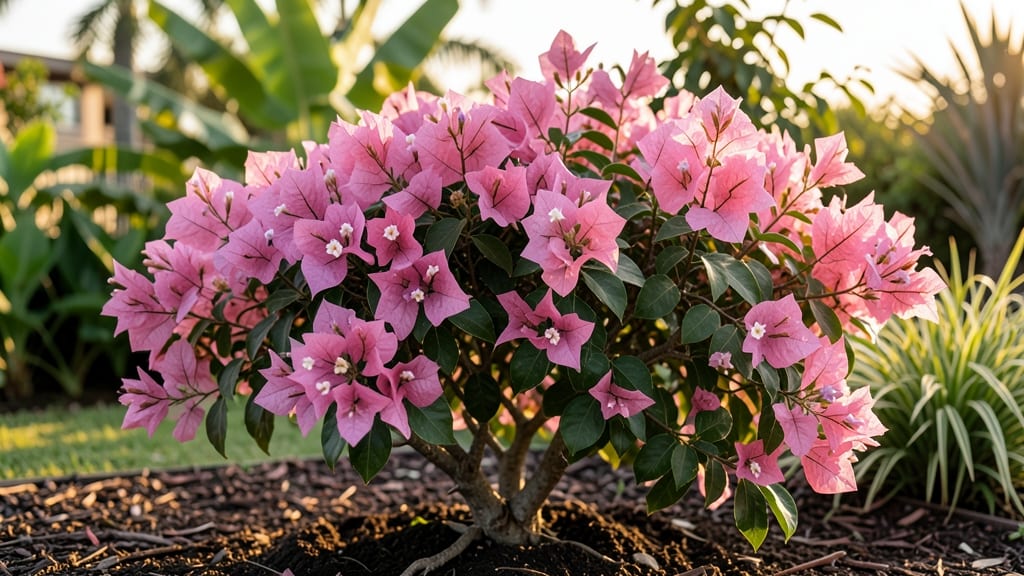
Your garden’s missing a splash of tropical tree pink flowers—those velvety blooms that turn any space into a sun-drenched paradise. 🌺 I’ve designed my own tropical corner using hibiscus, frangipani, and bougainvillea, and the transformation is undeniable: soft pinks, fiery oranges, and lush greenery create a retreat that feels like a vacation every time I walk through it.
These trees thrive in warm climates but can also adapt to containers for patios or balconies. Pair them with dwarf palm trees for height contrast or purple-leaf plumeria to deepen the color palette.
The key is layering textures—glossy leaves, delicate petals, and even a few climbing vines to soften the structure. My favorite combo? A bougainvillea arch framing a seating area, with frangipani trees flanking either side for a romantic, fragrant walkway.
By mid-summer, you’ll have a garden that feels like a tropical escape, with blooms lasting from spring through fall. The fragrance alone—sweet, citrusy, and intoxicating—will draw you outside every evening. Even in cooler zones, overwintering potted plants or choosing cold-hardy varieties like crape myrtle keeps the dream alive.
The secret isn’t just the plants—it’s the light and airflow. Place them where they get 6+ hours of sun and ensure good drainage to prevent root rot.
Add a water feature nearby, and you’ve got the perfect recipe for a garden that feels like a tropical oasis without the travel.
📚 In This Guide
- What you need
- Instructions
- Tips and common mistakes
- Wrapping up and next steps
What you need
- ● Tropical tree species with pink flowers: 1 Hibiscus rosa-sinensis (Tropical Hibiscus) – 4-6 ft tall, thrives in warm climates
- ● OR 1 Plumeria rubra (Frangipani) – 6-10 ft tall, drought-tolerant, fragrant blooms
- ● OR 1 Tabebuia impetiginosa (Pink Trumpet Tree) – 30-50 ft tall, fast-growing, seasonal blooms
- ● Potting mix or garden soil: 5-10 gallons (depending on pot size or planting area)
- ● Well-draining soil: Mix 2 parts potting soil + 1 part perlite or sand (for containers)
- ● Organic fertilizer: Balanced (10-10-10) or citrus-specific fertilizer (for Hibiscus/Plumeria)
- ● Mulch: 2-3 inches of pine bark or coconut coir (retains moisture, regulates temperature)
- ● Garden trowel or shovel (for planting)
- ● Pruning shears (sterilized with rubbing alcohol)
- ● Watering can or hose with a gentle spray nozzle
- ○ Gloves (optional, for handling thorns or soil)
- ○ pH testing kit (optional, ideal soil pH: 6.0-7.0 for most tropical trees)
- ● Slow-release fertilizer tablets (for containers)
- ● Epsom salt (1 tbsp/month in water for magnesium boost)
- ● Support stake or trellis (for young or top-heavy trees)
- ● Humidity tray or pebble tray (if indoors or in dry climates)
- ● Neem oil or fungicide (preventative for pests/diseases)
Step-by-step guide to cultivating stunning tropical pink flowers
Here's how to bring bold, tropical pink blooms to life in your garden with minimal fuss.
🌱 Step 1: Select the Right Tropical Pink Varieties
Start with proven tropical pink performers like bougainvillea, hibiscus, or plumbago—these thrive in warm climates and deliver vibrant color. I recommend bougainvillea for its long-lasting blooms and low-maintenance nature. Choose healthy nursery plants with firm stems and lush green leaves, avoiding anything with yellowing foliage or brown spots.
For container growing, select compact varieties like bougainvillea 'San Diego Red' or hibiscus 'Pink Charm'. These stay manageable in 12-15 gallon pots and produce abundant pink flowers. If planting directly in the ground, space plants 4-6 feet apart to allow for mature growth and airflow.
☀️ Step 2: Prepare the Perfect Tropical Environment
Tropical pink flowers crave warmth and bright light—full sun exposure (6+ hours daily) is non-negotiable. In hot climates, provide afternoon shade to prevent leaf scorch, especially for delicate varieties like plumbago. I always test the soil first with a moisture meter to ensure it drains well; tropical plants hate soggy roots.
Amend heavy clay soil with 3-4 inches of organic compost to improve drainage and fertility. For containers, use a well-draining potting mix formulated for tropical plants. Maintain soil temperatures above 60°F—if nights dip below this, protect plants with frost cloth or move containers indoors.
💧 Step 3: Water Deeply and Strategically
Water tropical pink flowers when the top 2-3 inches of soil feel dry to the touch. I use a moisture meter to avoid overwatering, which is the #1 killer of tropical plants. Water deeply at the base of the plant, avoiding wetting the foliage to prevent fungal diseases like powdery mildew.
For container-grown plants, ensure pots have drainage holes and water until it runs freely from the bottom. During the growing season (spring through fall), fertilize every 4-6 weeks with a balanced, water-soluble fertilizer diluted to half-strength. Reduce watering in winter but keep soil lightly moist—most tropical pink flowers enter a semi-dormant state but still need hydration.
✂️ Step 4: Prune for Continuous Blooms
Regular pruning encourages bushier growth and more flowers. After the first flush of blooms, trim back leggy stems by one-third their length to promote branching. I always use clean, sharp pruners to make cuts just above a leaf node or bud—this prevents disease and stimulates new growth.
Deadhead spent blooms regularly to redirect the plant's energy toward producing more flowers. For bougainvillea, pinch back new growth in early spring to encourage compact, bushy growth. Avoid heavy pruning in late summer or fall, as this can delay next year's blooms.
🌿 Step 5: Protect and Maintain Year-Round
Watch for common pests like aphids or spider mites, which love tropical plants. I treat infestations early with a strong spray of water or insecticidal soap, applied in the early morning when pests are most active. For containers, move plants indoors or to a sheltered location during heavy rain or high winds to prevent damage.
In colder climates, overwinter tropical pink flowers by bringing container plants indoors near a bright window or under grow lights. Reduce watering and fertilizing during this period. With proper care, many tropical pink varieties will reward you with vibrant blooms year after year, turning your garden into a lush, pink paradise.
Tips & tricks for perfect tropical tree pink flowers
Common pitfalls—and how to sidestep every one—when cultivating vibrant tropical pink blooms.
The Light Factor: Tropical pink flowers need that 6+ hours of full sun daily to thrive, but here's the trick: in intense midday heat, especially in climates over 90°F, provide afternoon shade for delicate varieties like plumbago. I use shade cloth (30-50% coverage) during peak hours to prevent leaf scorch while still allowing plenty of light. This balance is key for maintaining those signature pink hues without stressing the plants.
Soil Preparation Strategy: The 3-4 inches of organic compost I recommend isn't just about fertility—it's about creating the perfect air-to-water ratio. For heavy clay soil, mix in perlite or coarse sand to improve drainage. In containers, I add a layer of gravel at the bottom before the potting mix to create a reservoir that prevents root rot while keeping those roots happy in the 60°F+ temperature range.
Watering Wisdom: That 2-3 inch soil dryness test before watering is non-negotiable, but here's what nobody tells you: use your fingers to check moisture at the base of the plant, not just the surface. Tropical plants often show wilting before the topsoil feels dry. I've learned this the hard way after losing several bougainvillea plants to overwatering—always water deeply at the base, and avoid wetting the foliage to prevent fungal diseases.
Pruning Precision: When trimming back those leggy stems by one-third their length, focus on cutting just above a leaf node or bud. This isn't just about aesthetics—it's about stimulating new growth from those growth points. For bougainvillea, I make my cuts at a 45-degree angle to increase surface area for better water absorption. And remember, timing matters: spring is prime pruning season for most tropical pink varieties.
Pro Tips for Tropical Tree Pink Flowers
- Common pitfalls—and how to sidestep every one—when cultivating vibrant tropical pink blooms.
- I use shade cloth (30-50% coverage) during peak hours to prevent leaf scorch while still allowing plenty of light.
- Soil Preparation Strategy: The 3-4 inches of organic compost I recommend isn't just about fertility—it's about creating the perfect air-to-water ratio.
Frequently asked questions
Got questions about growing tropical trees with pink flowers? You’re not alone! Here are some common queries—and their answers—to help you cultivate stunning blooms with ease.
What’s the easiest tropical tree for pink flowers in my climate?
If you’re in a USDA Zone 9-11, Bougainvillea or Hibiscus rosa-sinensis thrive with minimal fuss. For cooler zones (7-8), try Crapemyrtle or Crepe Myrtle—they’re drought-tolerant and burst with pink hues in summer. Always check local frost dates!
How long does it take for these trees to bloom?
Patience pays off! Most tropical pink-flowering trees take 1-3 years to mature and bloom after planting. Bougainvillea may flower sooner (6-12 months) if pruned regularly, while Jacaranda or Royal Poinciana can take 3-5 years for their iconic pink cascades.
Why aren’t my pink flowers blooming? Troubleshooting tips!
Pink flowers often skip blooming due to:
- Overwatering: Let soil dry between waterings—root rot stifles blooms!
- Poor sunlight: Most tropical trees need 6+ hours of sun daily.
- Nutrient deficiencies: Feed with phosphorus-rich fertilizer (like 10-20-10) in spring.
- Pruning at the wrong time: Avoid heavy cuts in fall/winter—blooms set on new growth!
Can I grow these trees in containers? What’s the best setup?
Dwarf varieties
like Bougainvillea ‘San Diego Red’ or Hibiscus ‘Pink Pearl’ thrive in 15+ gallon pots. Use:
- A well-draining mix (cactus/succulent soil + perlite).
- Large pots with drainage holes (terracotta helps wick moisture).
- Winter protection: Move indoors (60°F+) or use frost cloth.
Are there pink-flowering tropical trees that attract hummingbirds?
Yes! Plant these hummingbird magnets for a double dose of color:
- Hibiscus rosa-sinensis: Tubular flowers = nectar goldmine.
- Jacaranda mimosifolia: Fragrant pink blooms in spring.
- Tabebuia rosea (Pink Trumpet Tree): Early bloomer (Dec-Apr).
Wrapping up and next steps
Transforming your garden with tropical tree pink flowers is a rewarding way to bring vibrant energy and natural beauty to your outdoor space. 🌺 Whether you're a seasoned gardener or just starting out, these stunning blooms are a fantastic choice for adding color and life.
Now that you’re equipped with the right knowledge and tools, it’s time to roll up your sleeves and get planting!
🌱 Next Steps:
- Pick your favorite tropical pink-flowering tree (like a frangipani or bougainvillea) and check local planting guidelines.
- Gather your supplies and start planting—your garden will thank you!
- Don’t forget to share your progress with fellow plant lovers for extra inspiration!