
Pruning
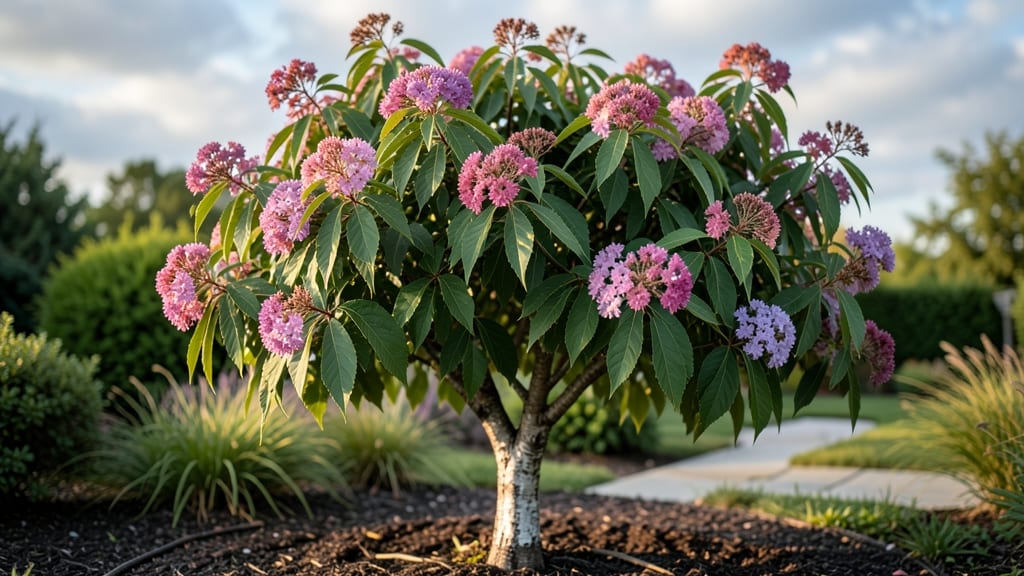
Crepe myrtle trees in California thrive with the right pruning—especially when you avoid the common mistakes that leave them vulnerable to frost or pests. 🌿 I’ve pruned mine for years in the Central Valley, and the key is timing: late winter to early spring, before new growth starts.
This keeps them strong through our hot inland summers and chilly coastal nights.
The right varieties make all the difference. For drought-prone areas, go for ‘Natchez’ or ‘Tonto’—they handle our dry spells like champs. Coastal gardeners can opt for ‘Muskogee,’ which tolerates more humidity.
Water deeply once a week in summer, but let the soil dry between waterings to avoid root rot, a common issue in our heavy clay soils.
When you prune, focus on removing dead wood first—it’s ugly and invites pests like aphids, which love crepe myrtles. Thin out crowded branches to improve airflow, reducing powdery mildew risk.
A light trim in late summer can also encourage fresh blooms for next year, but stop by October to avoid frost damage.
This schedule works for most of California, but adjust slightly for high-desert areas—they need pruning after frost season. With these tweaks, your crepe myrtle will stay lush, blooming, and pest-free year-round, no matter where you are in the state.
📚 In This Guide
- What you need
- Instructions
- Tips and common mistakes
- Wrapping up and next steps
What you need
- ● Pruning shears: Bypass pruners (sharp, 6-8" blades) for small branches (💡 Invest in high-quality shears—dull blades crush stems!)
- ● Loppers: 8-12" bypass loppers for medium branches (20-75mm thick)
- ● Pruning saw: Curved-tooth saw for thick branches (75mm+ diameter)
- ● Gloves: Heavy-duty gardening gloves (cut-resistant, long cuffs) to protect hands from thorns and sap
- ● Disinfectant: 70% isopropyl alcohol or bleach solution (1 part bleach to 9 parts water) to sterilize tools between cuts (💡 Prevents disease spread!)
- ● Heavy-duty trash bags: 30-gallon capacity (for debris cleanup)
- ● Ladder or step stool: Sturdy, non-slip (extendable ladder recommended for tall trees)
- ● Safety gear: Safety glasses and long sleeves/pants (crepe myrtle sap can irritate skin)
- ● Pruning sealant: Tree wound sealant (for large cuts >2" diameter, though many experts argue against it)
- ● Extension pole: For hard-to-reach branches (10-15 ft telescoping pole)
- ● Marking twine: Colored twine to tag branches for removal (helpful for complex pruning)
- ● Work boots: With ankle support (for stability on uneven ground)
- ● Hose or bucket: For rinsing tools and cleaning sap off hands
- ● Weather check: Prune on a dry, calm day (avoid windy or rainy conditions)
- ● Tree health assessment: Inspect the tree for signs of disease or pests (💡 Wait to prune if issues are severe—consult a local arborist!)
- ● Local regulations: Check California’s urban forestry guidelines (some areas restrict pruning without permits)
- ● Time of year: Best for late winter/early spring (Feb-March in CA) or summer after flowering (avoid heavy pruning in fall/winter)
Instructions for pruning crepe myrtle trees in California
Here’s how I prune crepe myrtles to keep them thriving year-round in California’s climate.
✂️ Step 1: Prune in Late Winter Before New Growth Begins
California’s mild winters mean crepe myrtles start growing earlier than in colder regions. I prune mine in late February to early March, just before buds swell but before any new growth appears. This timing ensures you remove dead wood while preserving next season’s flowers.
Start by removing any dead, diseased, or crossing branches first. These are easy to spot—they’re brown, brittle, or growing inward. Cut them back to the main trunk or a healthy lateral branch. Use clean, sharp pruners to make smooth cuts just above a leaf node or bud.
Next, look for water sprouts—those fast-growing, vertical shoots that pop up along the trunk or branches. These steal energy from the tree. Snip them off at the base. If you skip this, your tree will look leggy and overgrown by summer.
✂️ Step 2: Thin the Canopy for Better Airflow and Sunlight
Crepe myrtles naturally grow in a vase-like shape, but dense foliage can trap moisture and invite pests. I focus on thinning the canopy by removing 10-20% of the oldest, thickest branches from the center. This opens up the tree and lets sunlight reach the inner branches, which keeps the whole plant healthier.
When thinning, prioritize branches that are thicker than a pencil—these are the ones that will impact the tree’s structure the most. Cut them back to a lateral branch or the main trunk. Avoid "heading back" (cutting back to a bud on the same branch), as this encourages weak, bushy growth.
Step back often to check your work. The goal is a tree with an open center and branches spaced evenly. If you’re unsure, imagine sunlight streaming through the canopy—you want it to pass through easily.
✂️ Step 3: Shape the Tree for Balance and Aesthetics
Now’s the time to refine the tree’s shape. Crepe myrtles respond well to light shaping, but avoid heavy pruning—this can reduce next year’s blooms. I focus on balancing the height and width by trimming the tallest branches slightly to prevent the tree from becoming top-heavy.
For a more natural look, I prune branches to create a slight taper—shorter at the top and longer at the bottom. This mimics the tree’s natural growth pattern and makes it more resilient to California’s occasional strong winds. Avoid cutting more than 25% of the tree’s foliage in one season, or you’ll stress it out.
If your crepe myrtle has long, leggy branches, you can shorten them by one-third to encourage bushier growth. Just be patient—it may take a season or two to fill back in. And always prune just above a leaf node or outward-facing bud to guide new growth in the right direction.
✂️ Step 4: Clean Up and Monitor for Recovery
After pruning, rake up all the clippings to keep the area tidy and reduce the risk of disease. I also disinfect my pruners with rubbing alcohol between cuts to prevent spreading any potential infections. Once the tree is pruned, give it a deep watering to help it recover.
Over the next few weeks, watch for new growth. Healthy crepe myrtles will sprout fresh leaves and buds within 4-6 weeks of pruning. If you see yellowing leaves or wilting, it might be a sign of over-pruning or stress. In that case, hold off on heavy pruning next year and focus on watering and fertilizing instead.
California’s dry summers mean crepe myrtles need consistent watering after pruning. Water deeply once a week for the first month, then taper off to every 2 weeks once new growth appears. Mulch around the base to retain moisture and keep roots cool.
Tips & tricks for pruning crepe myrtles in California
California’s unique climate demands a thoughtful approach to pruning—here’s how to avoid common pitfalls and keep your tree thriving.
Timing is Everything: The late February to early March window is critical because California’s mild winters mean buds can swell earlier than in colder regions. I’ve seen trees in Southern California start growing as early as January—if you prune too late, you risk cutting off next year’s flower buds. Mark your calendar now and check for bud swelling before you start.
Pruning Technique for Healthy Growth: When removing branches thicker than a pencil, always cut just above a leaf node or outward-facing bud. I learned this the hard way—cutting at random angles can leave ugly stubs and encourage weak growth. For water sprouts, snip them at the base without hesitation; these vertical shoots drain energy from the tree’s main structure. A sharp pair of pruners makes all the difference—dull blades tear wood instead of making clean cuts.
California-Specific Considerations: Our dry summers mean pruning creates more stress than in humid climates. After your late winter pruning, give your tree a deep watering to help it recover. I also recommend adding 2-3 inches of mulch around the base to retain moisture and protect roots from our intense sun. This is especially important if you’ve removed more than 20% of the foliage.
Monitoring for Success: Watch for new growth within 4-6 weeks after pruning—this confirms your tree is recovering well. If you notice yellowing leaves or wilting, it’s a sign you may have over-pruned. In that case, focus on watering and fertilizing next year rather than heavy pruning. I’ve had to back off completely after aggressive pruning in my first few attempts.
Pro Tips for Crepe Myrtle Tree California
- California’s unique climate demands a thoughtful approach to pruning—here’s how to avoid common pitfalls and keep your tree thriving.
- Timing is Everything: The late February to early March window is critical because California’s mild winters mean buds can swell earlier than in colder regions.
- Pruning Technique for Healthy Growth: When removing branches thicker than a pencil, always cut just above a leaf node or outward-facing bud.
Frequently asked questions
Got questions about growing and pruning crepe myrtle trees in California?
Here are answers to the most common ones to help you keep your tree thriving year-round.
When is the best time to prune crepe myrtle trees in California?
Prune your crepe myrtle right after flowering (late summer to early fall) to encourage new growth for next year’s blooms. Avoid pruning in late fall or winter, as this can expose the tree to cold damage. Light shaping can be done in early spring, but avoid heavy cuts then.
How much can I trim back my crepe myrtle without harming it?
You can safely remove up to 30% of the tree’s total growth in one pruning session. For mature trees, focus on removing dead, crossing, or weak branches. Avoid "crepe murder" (over-pruning)—never cut into old wood or the trunk, as this can kill the tree.
Why are my crepe myrtle leaves turning yellow or dropping?
Yellow leaves often signal overwatering, underwatering, or pests. Check the soil moisture—crepe myrtles prefer well-draining soil and tolerate drought once established. Look for signs of aphids, scale, or powdery mildew. Adjust watering and treat pests with neem oil or insecticidal soap if needed.
Can crepe myrtles handle California’s hot, dry climate?
Crepe myrtles are drought-tolerant once established (after 1-2 years) and thrive in California’s heat. They prefer full sun (6+ hours daily) and low-maintenance care. Mulch around the base to retain moisture and protect roots from extreme temperatures.
What’s a good alternative if my crepe myrtle isn’t doing well?
If your crepe myrtle struggles with pests, disease, or your microclimate, consider these low-maintenance California-friendly alternatives:
- Texas Sage (Leucophyllum frutescens) – Drought-tolerant, purple blooms, and deer-resistant.
- Lavender (Lavandula spp.) – Fragrant, heat-loving, and great for pollinators.
- California Lilac (Ceanothus spp.) – Native, evergreen, and attracts bees.
- Oakleaf Hydrangea (Hydrangea quercifolia) – Tolerates partial shade and has stunning fall color.
Wrapping up and next steps
Growing a thriving crepe myrtle tree in California is totally doable with the right pruning know-how! By following seasonal tips—like late winter shaping, summer deadheading, and fall cleanup—you’ll keep your tree healthy, blooming, and pest-free year-round. 🌿✨
Ready to give your crepe myrtle the TLC it deserves? Grab your pruners and start with a fresh cut! For extra confidence, bookmark this guide or share it with fellow gardening buddies. Happy pruning!