
Propagation
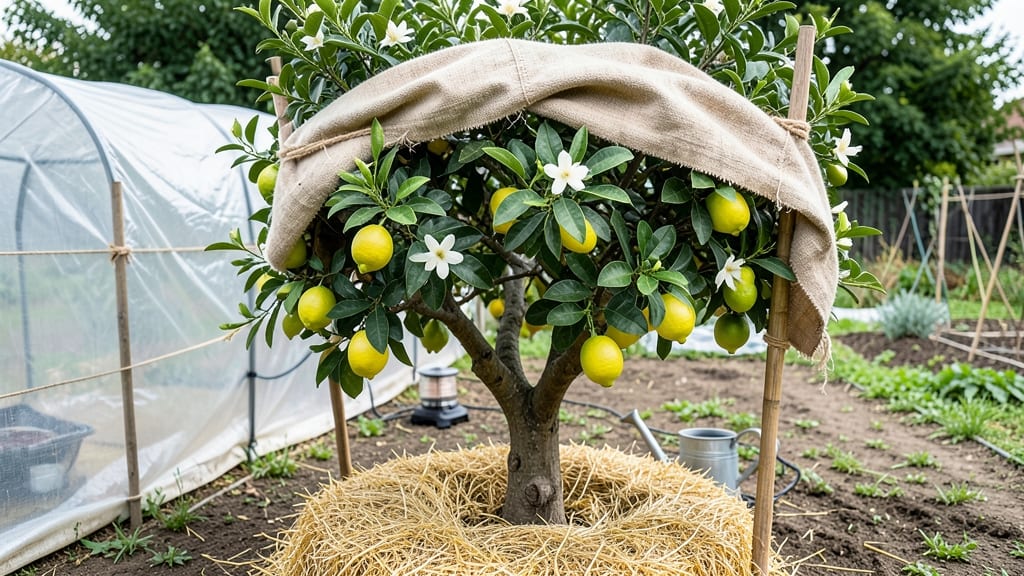
Protecting your lemon tree from frost isn’t just about survival—it’s about saving that golden harvest you’ve worked so hard for. 🌿 I’ve watched frost turn lush, fragrant lemon trees into sad, brown skeletons, but I’ve also learned how to shield them with simple, layered defenses.
The key is acting before the cold hits, not after the damage is done.
Start with mulching—pile 3-4 inches of straw or wood chips around the base to insulate roots. Then, drape frost cloth or burlap over the tree (not touching the leaves) to trap warmth.
For younger trees, a lightweight blanket works too—just secure it with stakes so wind doesn’t rip it away. Water the soil deeply the day before a frost warning to help roots withstand the cold.
If frost is forecasted, prune back any tender new growth—it’s the first to freeze. For mature trees, wrap the trunk with bubble wrap or cardboard to prevent cracking. The goal is to slow the temperature drop, not stop it entirely.
With these steps, your tree might just bounce back with new shoots by spring, smelling like sunshine again.
Long-term, consider microclimates—plant near a south-facing wall or under a dwarf citrus tree for extra protection. And if your zone gets brutal, opt for hardier varieties like ‘Meyer’ lemons, which handle cooler temps better. Trust me, your future lemonade will thank you.
📚 In This Guide
- What you need
- Instructions
- Tips and common mistakes
- Wrapping up and next steps
What you need
- ● Frost cloth (frost blanket): 1–2 sheets (minimum 30" x 50", lightweight but breathable, rated for 15–25°F protection).
- ● Burlap or old sheets: 2–3 large pieces (for wrapping or mulching).
- ● Stakes or wooden dowels: 4–6 (6–12" long) to secure frost cloth.
- ● Twine or zip ties: 1 roll (to anchor materials tightly).
- ● Garden twine or rubber bands: 1 pack (for bundling branches).
- ● Straw or dry leaves: 2–3 inches thick (for mulching the base).
- ○ Plastic wrap (optional but helpful): 1 roll (for extra insulation under frost cloth).
- ● Watering can or hose: 1 (for pre-frost hydration).
- ● Pruning shears: 1 pair (to trim vulnerable branches if needed).
- ○ Thermometer (optional): 1 (soil or air, to monitor temps).
- ● Know your frost risk: Check your USDA Hardiness Zone (lemon trees thrive in Zones 9–11; frost protection is critical outside this range!).
- ● Time of day: Act before temps drop below 32°F—frost cloth works best preemptively!
- ● Tree health: Ensure your lemon tree is well-watered 1–2 days before frost (but avoid soggy soil).
- ● Clear workspace: Remove nearby debris or obstacles to wrap the tree easily.
Step-by-Step instructions for protecting a lemon tree from frost
Layered insulation is the secret to keeping your citrus alive through freezing temps—here's how to do it right.
🌱 Step 1: Prepare the Tree for Insulation
Start by giving your lemon tree a thorough watering 24 hours before the frost. Well-hydrated roots handle cold better, and moist soil retains heat longer. Avoid watering right before freezing—wet bark freezes faster. Next, prune any dead or weak branches with clean, sharp pruners. You're not shaping the tree; you're removing anything that could harbor pests or rot during winter.
Apply a 2-3 inch layer of mulch around the base, keeping it 6 inches away from the trunk. Use organic mulch like straw or pine needles—it insulates roots while allowing airflow. This prevents soil temperature swings that stress roots. I like to mound the mulch slightly higher on the north side where cold winds hit first.
💧 Step 2: Create a Physical Barrier Against Cold Air
Set up a windbreak using burlap sacks, frost blankets, or even cardboard boxes wrapped in plastic. Position it on the north and west sides where cold air collects. The barrier should extend at least 3 feet taller than the tree and 2 feet away from the trunk. This creates a microclimate that traps heat radiating from the tree.
For the trunk itself, wrap it with 1-2 inches of bubble wrap or tree wrap. Start at the base and spiral upward to 6 feet high. This prevents frost cracks that split bark and invite disease. Secure with tape or twist ties, but don't wrap too tightly—you want some airflow to prevent moisture buildup.
☀️ Step 3: Layer Insulation Around the Canopy
Cover the entire tree with frost cloth or a thick blanket, securing it with clothespins or stakes. Start at the top and work downward to trap warm air. Avoid plastic sheeting—it traps moisture and can burn leaves. For heavy frosts (28°F or colder), add a second layer of insulation on top. I like to use old bedsheets or moving blankets as a backup.
Leave the top slightly open if possible—this allows heat to escape while still blocking wind. Think of it like a tent: you want to contain warmth without creating a greenhouse effect. Check the coverage during the day if temps fluctuate, adjusting as needed. The goal is to maintain a 5-10°F buffer around the tree's natural temperature.
⏰ Step 4: Monitor and Adjust Through the Night
Check your lemon tree every 2-3 hours during the frost, especially if temps drop below 32°F. Gently lift the insulation to peek at leaves—if they feel stiff or icy, add more layers. Never let the tree sit in still, cold air. A small fan on low speed near the windbreak can circulate trapped warmth if you notice condensation forming inside the insulation.
In the morning, remove all coverings as soon as temperatures rise above 40°F. Sudden warming can cause more stress than the cold itself. Shake off any ice gently with a soft brush, and water lightly if the soil feels dry. This helps the tree recover without shocking the roots. Watch for signs of frost damage—brown leaves or mushy stems—for the next few days.
Tips & tricks for protecting your lemon tree from frost
These practical tips will help you shield your citrus from winter's worst—without sacrificing airflow or health.
Timing is Everything: The 24-hour watering window before frost is non-negotiable. I learned this the hard way after watching a neighbor's tree suffer from last-minute watering that turned to ice on the bark. Water in the late afternoon so the soil has time to absorb moisture before evening temps drop. Also, avoid pruning within two weeks of frost—fresh cuts heal slower in cold weather and are more vulnerable to disease.
Windbreak Precision: When positioning your windbreak, remember that north and west sides are critical—these are where cold air pools. I've found that adding a second windbreak layer (like a second row of burlap sacks) on nights when temps drop below 28°F creates an extra 5°F buffer. Just ensure there's still 2 feet of clearance from the trunk to prevent moisture buildup against the bark.
Insulation Layering Strategy: For the canopy coverage in Step 3, I recommend using frost cloth as your primary layer—it breathes better than plastic while still blocking wind. If you're using blankets, opt for wool or fleece over cotton, which holds moisture. The secret to effective layering is leaving that slight opening at the top: this creates a chimney effect that allows warm air to circulate without letting cold air rush in.
Monitoring Without Overhandling: Those 2-3 hour checks during frost are crucial, but resist the urge to lift covers constantly. Instead, place a small thermometer near the tree's base to track microclimate temps. I've seen trees recover beautifully when monitored this way, whereas constant handling can stress the plant more than the cold itself. If you notice condensation forming inside your insulation, that's your cue to adjust—either add ventilation or remove a layer temporarily.
Pro Tips for Protect A Lemon Tree From Frost
- These practical tips will help you shield your citrus from winter's worst—without sacrificing airflow or health.
- Timing is Everything: The 24-hour watering window before frost is non-negotiable.
- Windbreak Precision: When positioning your windbreak, remember that north and west sides are critical—these are where cold air pools.
Frequently asked questions
Got questions about shielding your lemon tree from frost? You’re not alone—many gardeners worry about cold damage. Here are answers to the most common concerns to help you keep your citrus safe and thriving.
How cold is too cold for a lemon tree?
A lemon tree can handle light frost (28–32°F) for short periods, but prolonged exposure below 28°F risks severe damage or death. Young trees are especially vulnerable—protect them if temps dip near freezing, even in hardy varieties like Eureka or Meyer lemons.
When should I start protecting my lemon tree from frost?
Start prepping 1–2 weeks before the first frost warning in your area. Monitor forecasts and cover trees when nighttime temps drop below 40°F. If frost is imminent, act immediately—delaying can lead to irreversible damage.
Can I keep my lemon tree in a pot indoors during frost?
Yes! Potted lemon trees are easier to move indoors before frost. Place them near a sunny window or under grow lights, and reduce watering. Avoid sudden temperature shifts (e.g., moving from 70°F outdoors to 50°F indoors) to prevent shock.
What if my lemon tree already has frost damage?
Check for brown, mushy leaves or blackened branches—these are signs of frostbite. Prune damaged areas with sterilized shears, and fertilize lightly to encourage regrowth. If the trunk is cracked, wrap it with bubble wrap or frost cloth for extra protection.
Are there frost-resistant lemon tree varieties?
While no lemon tree is fully frost-proof, Meyer lemons and Ponkan mandarins (a hybrid) tolerate cooler temps better than standard lemons. Still, combine cold-hardy varieties with protective measures for the best results.
How often should I check my frost protection?
Inspect your tree’s coverings every few days during frost risks. Remove covers on sunny days to prevent overheating or mold. If rain is forecasted, secure covers tightly to avoid waterlogging roots.
Wrapping up and next steps
Protecting your lemon tree from frost doesn’t have to be a daunting task—with the right strategies, you can ensure its survival and even thrive through chilly seasons! 🌱 From covering young plants to layering insulation for mature trees, these methods act as a shield against nature’s cold surprises.
Remember, preparation is key, so start early and stay consistent.
Now that you’re armed with knowledge, take action! Monitor weather forecasts, gather your supplies, and give your lemon tree the care it deserves. Your efforts will pay off with a bountiful harvest come spring. Happy gardening! 🍋✨