
Trees
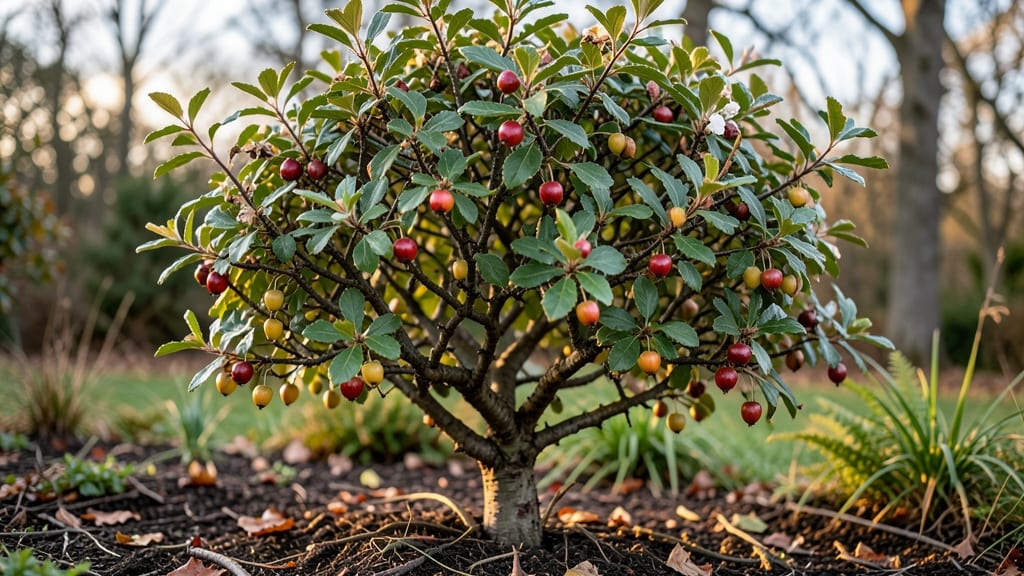
The tree with oblong yellow-green fruit in crossword clues is typically a lemon tree, though it could also refer to a lime tree or citron tree—all part of the citrus family. Their elongated, pale green-yellow fruit fits classic crossword descriptions like 'MEYER' or 'LEMON.'
When solving crossword puzzles, the elongated yellow-green fruit clue often points to citrus trees like Meyer lemons or Persian limes. 🌿 These trees are prized in puzzles because their fruit shape—longer than round—matches common crossword terms like "citron" or "lime."
The key is recognizing that crossword clues often simplify botanical names, so "MEYER" might refer to a specific lemon variety rather than the tree itself.
Crossword constructors love citrus clues because they're versatile—they can describe both the fruit and the tree while fitting tight grid spaces. For example, "LEMON" could refer to the fruit, the tree, or even the color.
This flexibility makes citrus trees a favorite for puzzle creators looking to test both general knowledge and wordplay skills.
💡 In This Article
- Citrus Trees That Fit Crossword Fruit Descriptions
- How to Identify Lemon Trees vs. Other Citrus in Gardens
Citrus trees that fit crossword fruit descriptions
Crossword clues often describe citrus trees using fruit characteristics because their oblong yellow-green shape is distinctive. Lemon trees, particularly the Meyer lemon variety, produce elongated fruits that measure 3-5 inches long with a pale yellow-green hue when ripe.
This shape and color perfectly match clues like "MEYER" or "LEMON" since crossword constructors prioritize visual and descriptive accuracy over strict botanical precision.
The key botanical difference lies in fruit size and acidity. Meyer lemons are sweeter and smaller than standard lemons, while Persian limes (another common crossword answer) have a slightly more elongated shape and thinner skin.
Citron trees, though less common in puzzles, produce the largest fruits—sometimes reaching 10 inches long—with a rougher texture and less juice, making them ideal for clues emphasizing size like "CITRON." 🌱
Crossword clues often simplify these distinctions. For example, "LEMON" might refer to any citrus tree with yellow fruit, while "CITRON" specifically points to the larger, less juicy variety. The oblong shape is critical—round fruits like oranges or grapefruits rarely appear in these clues.
This is why puzzles favor trees with fruit that's both visually distinctive and linguistically versatile.
Another factor is the tree's growth habit. Lemon and lime trees typically grow 10-15 feet tall in ideal conditions, with dense foliage that creates a lush canopy. This compact size makes them manageable for home gardens while still producing fruit that fits crossword descriptions.
Citron trees, however, can grow much larger—sometimes 20 feet or more—which might influence how they're described in puzzles.
Consider this comparison for crossword solvers:
- Meyer Lemon: Small, sweet, 3-5 inches, pale yellow-green
- Persian Lime: Elongated, slightly tart, 2-4 inches, green-yellow
- Citron: Large, rough, 8-10 inches, pale yellow
The oblong shape is the unifying factor—all three trees produce fruit that's longer than it is wide, making them perfect candidates for clues emphasizing fruit shape. 💡