
Planting
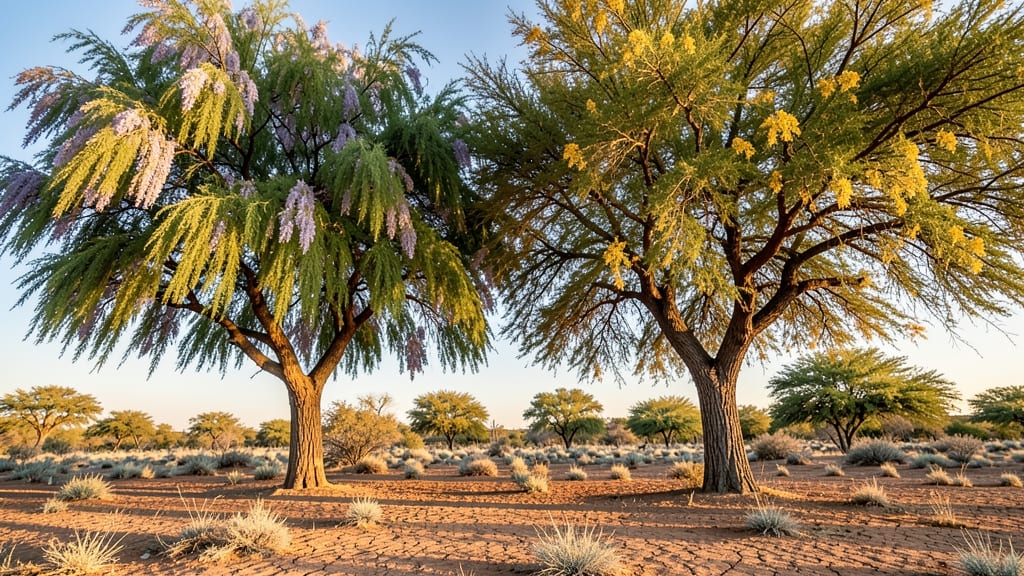
Transforming your yard into a lush, high-value landscape starts with strategic tree planting. These 10 creative designs enhance curb appeal, provide shade, and attract wildlife while maximizing property investment potential.
Privacy Screen Tree Allées
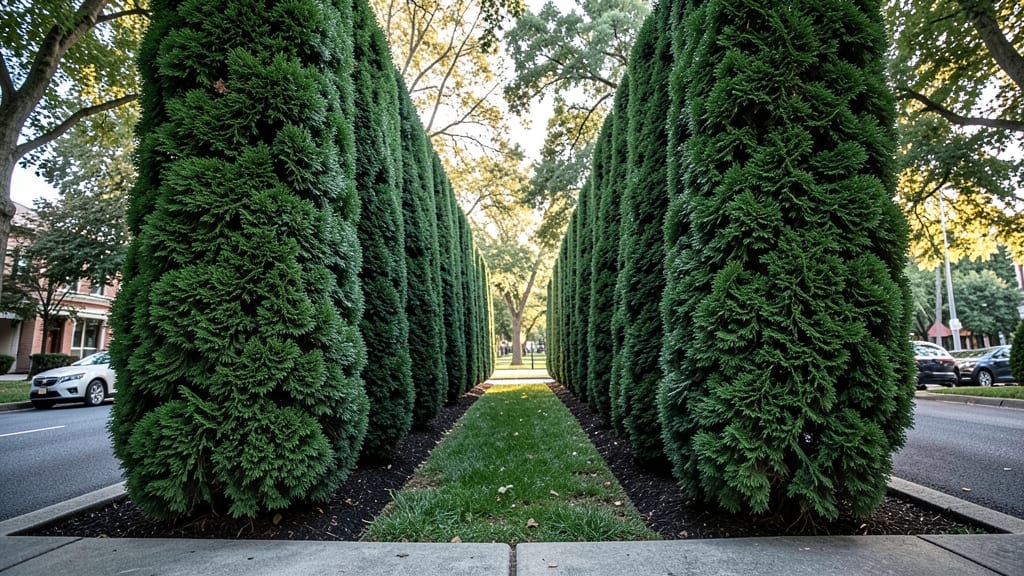
Tired of nosy neighbors or street noise disrupting your outdoor oasis? Privacy screen tree allées deliver a lush, living barrier that transforms your yard into a serene retreat. These symmetrical rows of arborvitae or leyland cypress grow tightly together, creating a dense, evergreen wall that blocks views and muffles sound while adding curb appeal.
For best results, plant 3-5 foot tall trees in a straight line with 3-4 feet of spacing between each. These varieties thrive in full sun to partial shade and tolerate most soil types, though well-draining soil prevents root rot. Prune lightly in early spring to maintain shape—never remove more than 25% of the foliage at once. The trees will reach 10-15 feet tall within 5-7 years, providing instant privacy.
Perfect for suburban homes, these allées also reduce energy costs by blocking harsh winds. Urban gardeners love them for their low-maintenance nature and ability to soften hard property lines. 🌿
Canopy Layered Fruit Trees
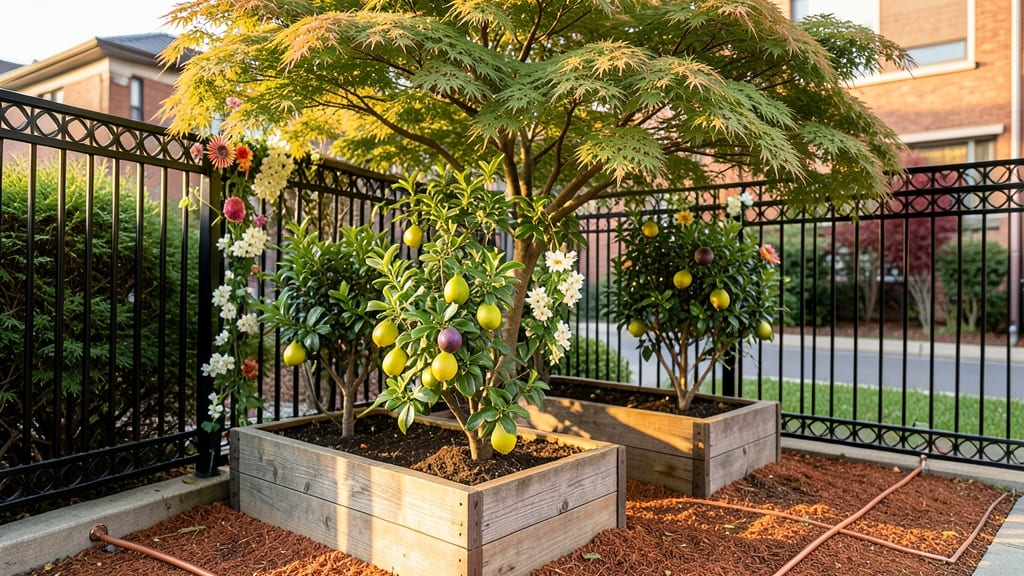
Turn your small urban yard into a fruit-bearing paradise without sacrificing curb appeal. Canopy layered fruit trees combine the beauty of ornamental trees with the practicality of homegrown produce—perfect for tight spaces where every inch counts.
Start with a mature shade tree (like a Japanese maple or ornamental pear) as your base layer, then add dwarf fruit varieties beneath it. Apple ‘Liberty’, pear ‘Hooded’, or cherry ‘Stella’ all stay under 10 feet tall, making them ideal for containers or small yards. Plant them in well-draining soil with 6 hours of sun daily and space them 6–8 feet apart for airflow. The result? A year-round display of blossoms, fruit, and foliage that doubles as a harvestable landscape.
This design is ideal for urban gardeners who want fresh fruit without sacrificing aesthetics. Plus, the layered approach maximizes sunlight for all plants while creating a functional and beautiful outdoor space. 🌟
Shade Garden Focal Points
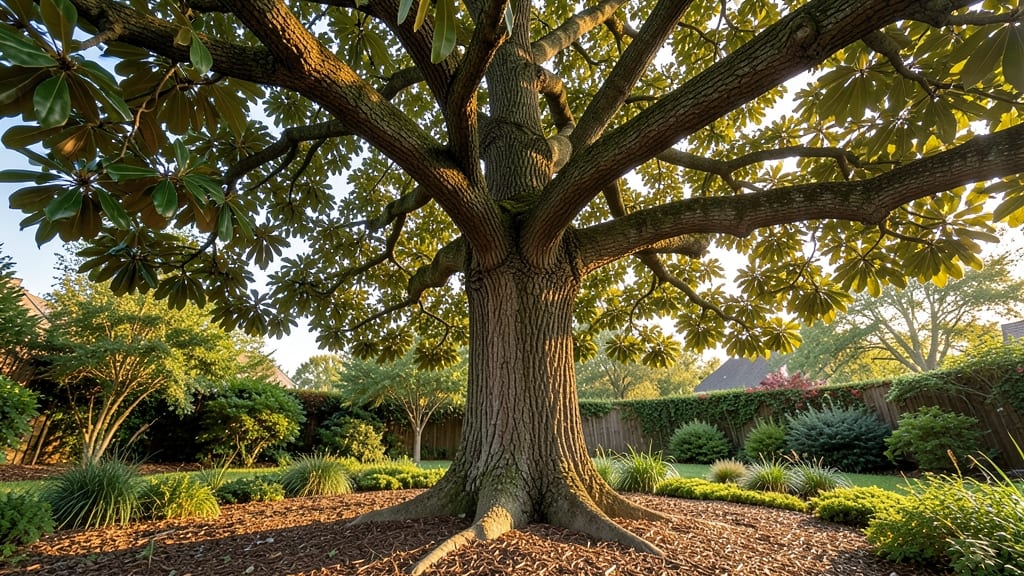
Struggling to create a cohesive garden design that feels both inviting and functional? A dramatic shade tree like a Southern magnolia or bur oak can instantly transform your outdoor space by providing both visual impact and cooling relief.
These tall deciduous trees thrive in full sun to partial shade and develop expansive canopies that create perfect spots for patios, reading nooks, or outdoor dining areas. Their seasonal interest—from fragrant spring blooms to fiery autumn foliage—keeps your garden engaging year-round. For best results, plant them at least 15-20 feet from structures to allow room for mature growth.
Perfect for homeowners who want to combine beauty with practicality, shade trees elevate your garden's design while making outdoor living spaces more comfortable during hot summer days. 🌟
Pollinator-Friendly Native Woodlands
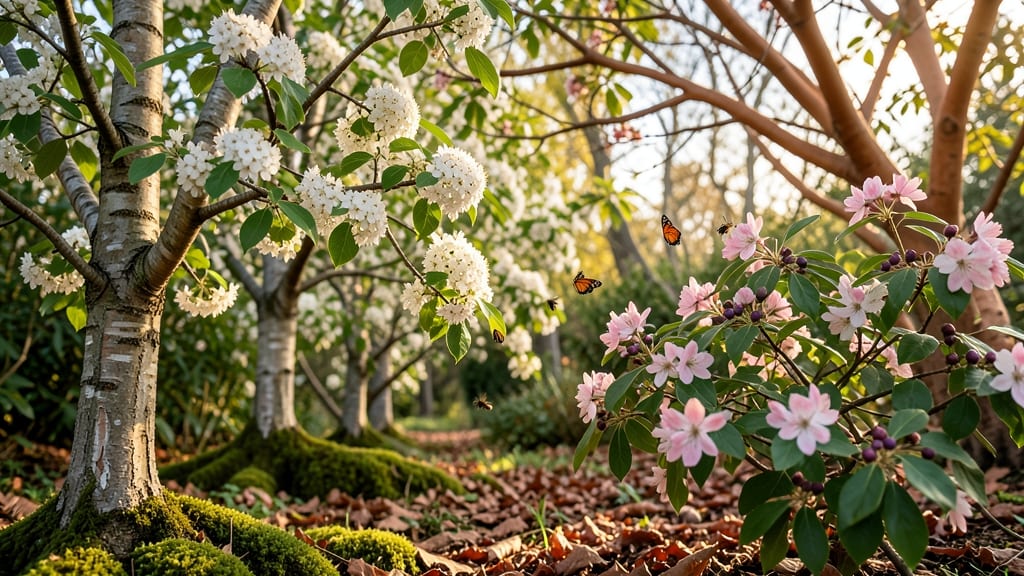
Skip the high-maintenance ornamental plants—native woodlands create a thriving ecosystem with minimal effort. Trees like serviceberry and dogwood provide four-season interest while serving as natural pollinator magnets, turning your yard into a butterfly and bee buffet.
These hardy species thrive in average garden soil with only occasional watering once established, making them perfect for eco-conscious gardeners. Plant them in clusters to create a natural woodland edge, and pair with native wildflowers for an extra boost of pollinator activity. Their low upkeep and high impact make them ideal for busy homeowners who still want a lush, wildlife-friendly landscape.
Perfect for those who want to support local ecosystems without the hassle of exotic plants, these native woodlands offer beauty and biodiversity with almost no extra work. 🌿
Windbreak Tree Windrows
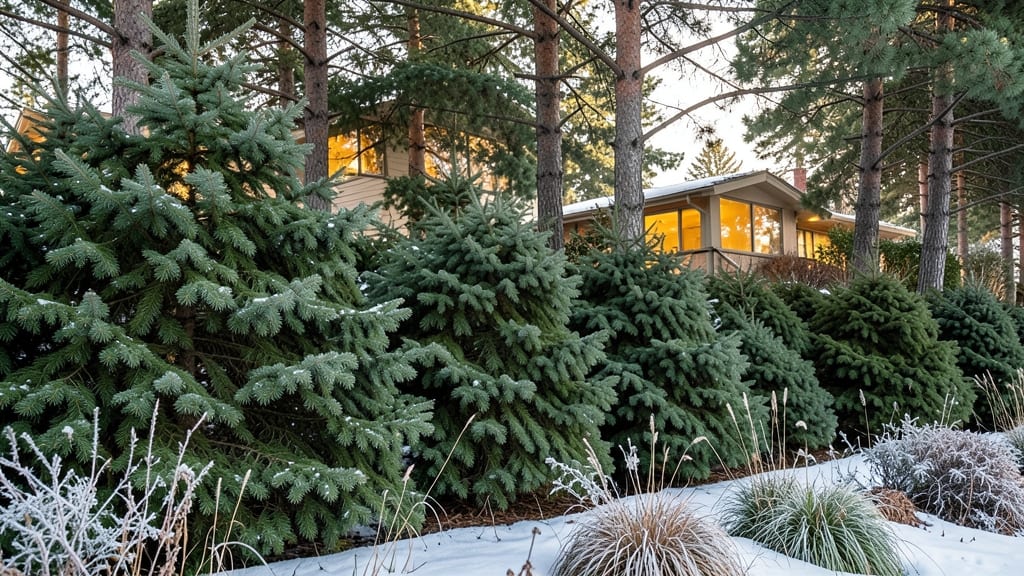
If you're tired of battling harsh winter winds that chill your home and damage tender plants, windbreak tree windrows are your solution. These strategic rows of fast-growing conifers like Norway spruce or Scotch pine can slash your heating bills by 10-20% while creating a cozy microclimate for delicate flowers and vegetables.
Plant trees in 3-5 staggered rows along property lines or garden edges, spacing them 6-10 feet apart for optimal wind deflection. The densest planting should face prevailing winds, with each subsequent row spaced 10-15 feet back to create gradual wind reduction. For maximum impact, use a mix of tall evergreens (like Douglas fir) and medium-height varieties (like Colorado blue spruce) to capture winds at different heights.
This design works best for rural properties, farmsteads, or large suburban yards where you can dedicate space to planting. The long-term savings on heating costs alone often justify the initial investment, plus you'll gain a beautiful, functional landscape feature that lasts for decades. 🌟
Urban Canopy Tree Grids
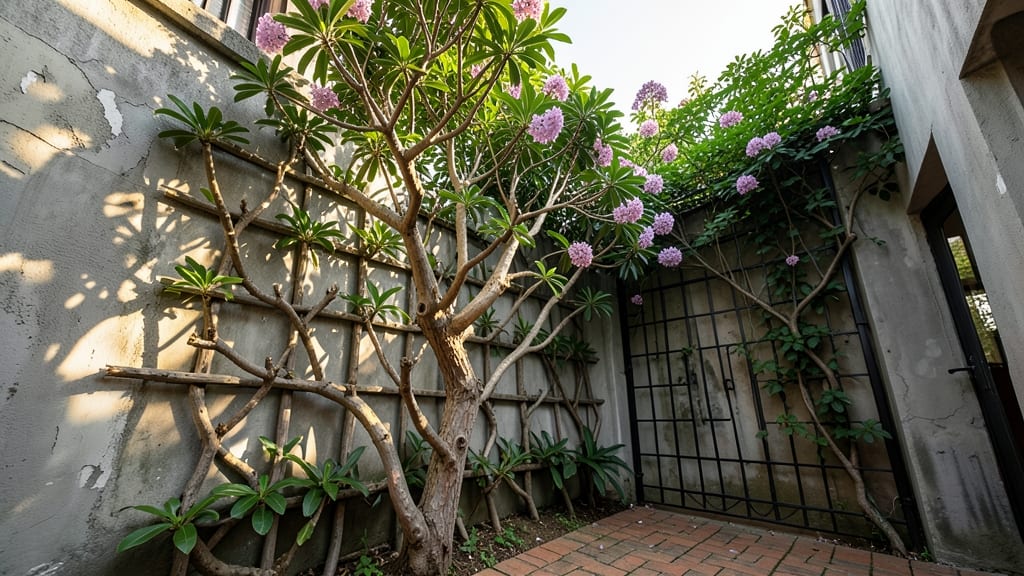
Tight urban yards don’t have to mean sacrificing trees—espaliered trees and crepe myrtles turn vertical space into a lush canopy grid. By training trees against walls, fences, or trellises, you create a sunlight-maximizing solution that adds height without sprawling roots.
Start with crepe myrtles, which naturally grow in compact forms and bloom with vibrant summer flowers. For fruit lovers, espaliered apple or pear trees deliver both beauty and harvests in a fraction of the space. Prune branches horizontally to form a grid pattern, ensuring light reaches lower plants while capturing sunlight efficiently. This method works especially well in courtyards, balconies, or narrow side yards.
Perfect for renters, small-space gardeners, and city dwellers, these low-maintenance designs add instant curb appeal while keeping your garden thriving. 🌱
Seasonal Color Tree Triads
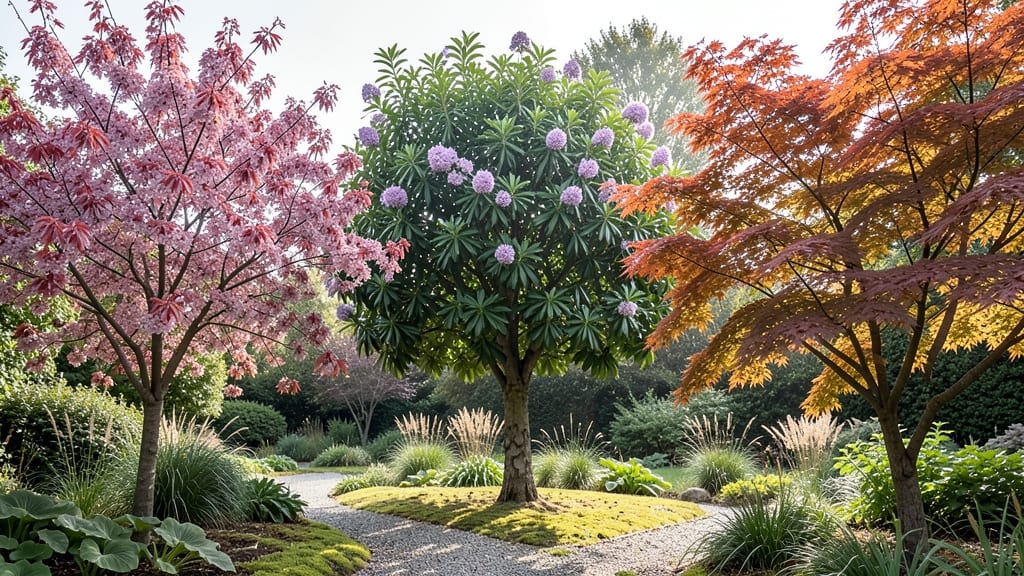
Tired of seasonal gardens that look dull half the year? A seasonal color tree triad keeps your landscape vibrant from spring through fall with minimal effort. This trio—redbud for spring blooms, crape myrtle for summer foliage, and Japanese maple for autumn color—ensures no boring months in your yard.
The redbud bursts into pink and purple flowers in early spring, followed by heart-shaped leaves. As summer arrives, the crape myrtle takes over with its glossy green foliage and dramatic summer blooms, while the Japanese maple adds delicate texture. By autumn, the maple's fiery red leaves steal the show, creating a seamless transition of color.
Perfect for gardeners who want low-maintenance beauty, these triads thrive in similar growing conditions and complement each other naturally. Plant them in clusters for maximum impact—your neighbors will ask for your secret! 🌟
Wildlife Habitat Tree Clusters
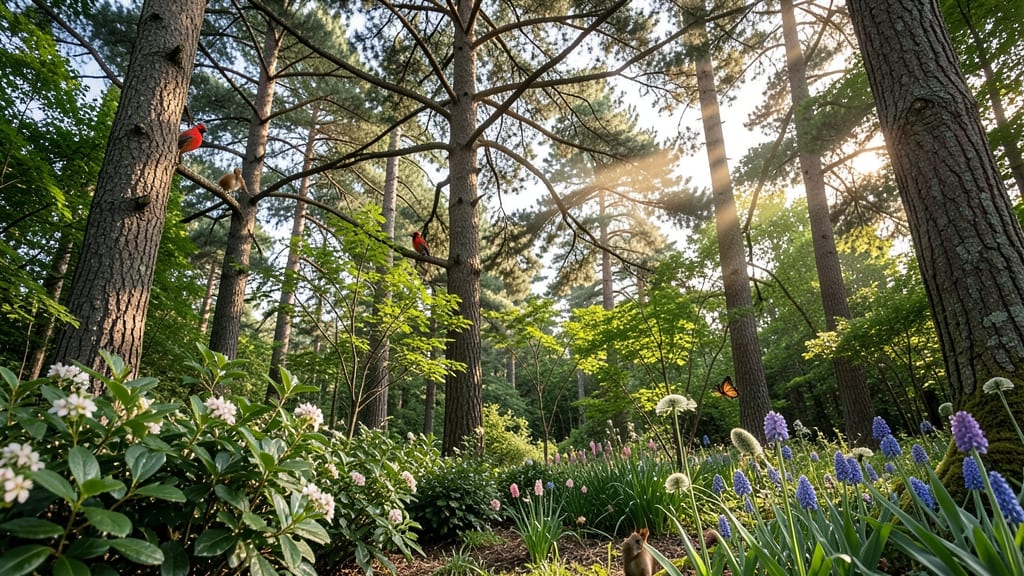
Turn your backyard into a bustling wildlife hotspot with wildlife habitat tree clusters—strategic groupings of mixed species that serve as tiny ecosystems for birds, squirrels, and insects. Unlike single-species plantings, these clusters mimic natural forests, offering food, shelter, and nesting sites year-round.
Plant oak, hickory, and pine together for a balanced habitat: oaks provide acorns for mammals, pines offer cone seeds for birds, and understory shrubs like serviceberry add berries. Space trees 15-20 feet apart to allow mature growth while maintaining connectivity. Add birdhouses or bat boxes at varying heights to maximize occupancy. This design thrives in sun to partial shade and requires minimal maintenance once established.
Perfect for eco-conscious gardeners or those wanting to make a difference, these clusters turn ordinary yards into thriving wildlife corridors. 🌟
Water Feature Accent Trees
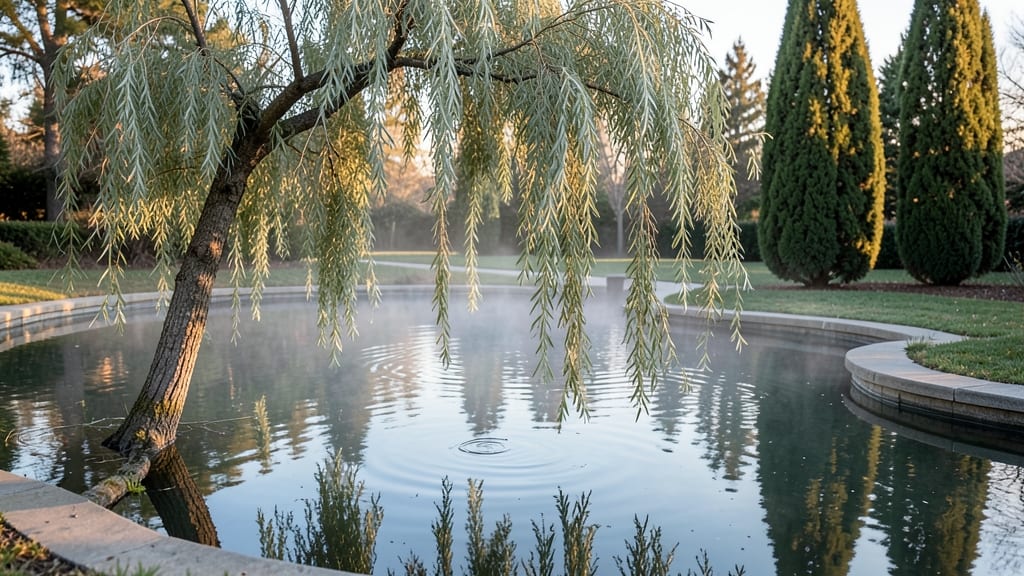
Turn your pond or fountain into a serene masterpiece with water-loving accent trees like weeping willows or bald cypress. Their graceful, arching branches create stunning reflections that transform ordinary water features into tranquil focal points.
For best results, plant weeping willows near shallow edges where their trailing branches can dip into the water, while bald cypress thrives in wetter soils and adds year-round interest with feathery foliage. Both species tolerate seasonal flooding and require minimal pruning to maintain their natural elegance. Consider adding moss or aquatic plants at their base for a lush, cohesive look.
This design is perfect for gardeners who love creating peaceful retreats—ideal for backyard ponds, courtyard fountains, or even large container setups near patios. The reflection alone will make your water feature the star of the show. ✨
Low-Maintenance Drought-Tolerant Groves

If you live in an arid region where water conservation is key, desert willow and mesquite trees offer a game-changing solution. These drought-tolerant species not only survive with minimal irrigation but also provide lush shade and stunning seasonal blooms, making them ideal for sustainable landscaping.
Both thrive in full sun conditions with only occasional watering once established, typically every 2-3 weeks during extreme drought. Desert willow produces fragrant, trumpet-shaped flowers in shades of pink and white, while mesquite offers nitrogen-rich foliage that improves soil health. Plant them 15-20 feet apart for a grove effect that maximizes shade coverage.
Perfect for homeowners in USDA zones 7-11, these trees require almost no pruning and attract local wildlife like birds and pollinators. They’re the ultimate low-effort, high-reward choice for eco-conscious gardeners. 🌻