
Pruning
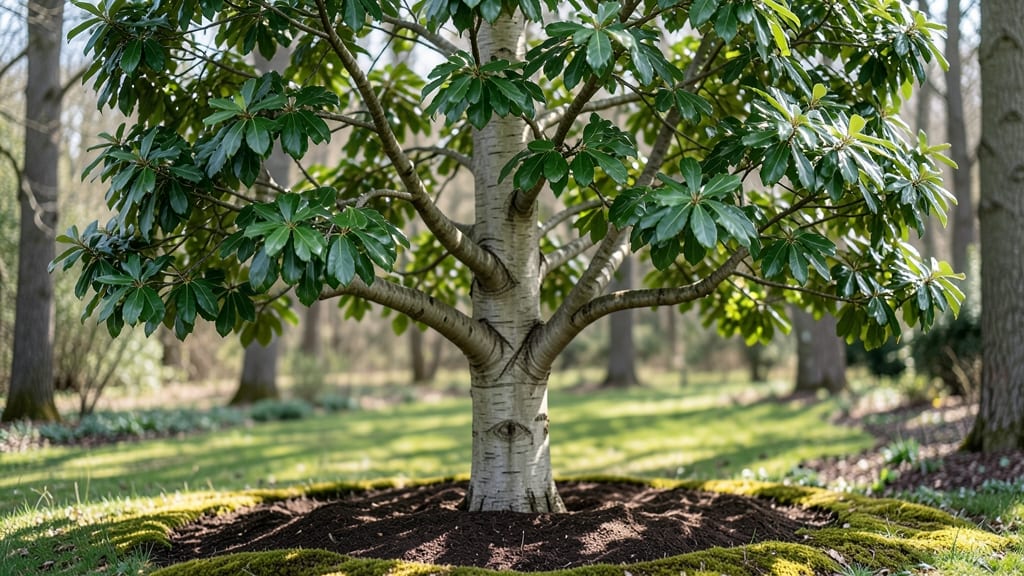
Watch the tree in different seasons transform from bare branches to vibrant canopies—and back again. 🌳 I’ve learned that seasonal pruning isn’t just about shaping; it’s about unlocking the full potential of your trees, whether they’re deciduous, evergreen, or flowering.
Spring is all about renewal: fresh green leaves, delicate blooms, and the perfect time to prune for shape and health. Summer’s lush foliage hides pests and diseases, but strategic trimming keeps air circulating. Fall brings fiery hues and the chance to remove deadwood before winter’s chill sets in.
Even winter has its role—pruning dormant branches prevents storm damage and preps for spring’s burst of growth. You’ll end up with trees that stay healthy year-round, providing shade in summer, color in fall, and structure in winter.
The key is understanding when to prune, what to look for, and how each season affects your tree’s needs. Let’s dive into the rhythm of the seasons and keep your trees thriving in every month.
Deciduous trees like maples and oaks put on a spectacular show in fall, but their seasonal cycle starts with spring pruning to encourage strong branches. Evergreens like pines and spruces hold their needles year-round, but they still need occasional trimming to remove browned or broken limbs.
Flowering trees, such as cherry or dogwood, bloom in spring—prune after they’ve finished flowering to avoid cutting off next year’s blossoms. Each season offers a different opportunity: spring for shaping, summer for pest control, fall for cleanup, and winter for structural prep.
By tuning into these cues, you’ll create a tree that’s not just beautiful but resilient, too. Think of it as a year-round conversation with your trees, where every trim is a step toward their best possible life. Here’s the game-changer: a well-pruned tree isn’t just stronger—it’s more productive.
Deciduous trees drop fewer leaves in fall, evergreens stay fuller longer, and flowering trees burst with more blooms. The secret lies in the details: timing cuts, avoiding over-pruning, and always using clean, sharp tools.
Even a small adjustment can make a big difference in how your tree looks and performs through the seasons. Whether you’re dealing with a young sapling or a mature shade tree, this seasonal approach works.
Start with just one tree this year, and you’ll see how much more vibrant and healthy it becomes. The best part? You’ll enjoy the process as much as the results—because a tree in every season is a garden that never stops surprising you.
📚 In This Guide
- What you need
- Instructions
- Tips and common mistakes
- Wrapping up and next steps
What you need
- ● Hand Pruners (Bypass Pruners): 1 pair (for cuts up to ½ inch thick). Opt for sharp, stainless-steel blades to avoid crushing branches.
- ● Loppers: 1 pair (for cuts up to 1.5 inches thick). Look for long handles (24-36 inches) for leverage.
- ● Pruning Saw: 1 (for branches 2+ inches thick). A curved-tooth saw prevents tearing wood.
- ● Extension Pole Pruner: 1 (for high branches). Choose a 3- to 5-foot pole with adjustable joints.
- ● Gloves: 1 pair of cut-resistant, breathable gloves (e.g., leather or synthetic mesh).
- ● Safety Goggles: 1 pair to protect against debris.
- ● Ladder: 1 sturdy ladder (if pruning above 6 feet). Ensure it’s rated for your weight + tools.
- ● Disinfectant: 70% isopropyl alcohol or a pruning sealant (to prevent disease spread).
- ● Trash Bags: 2-3 heavy-duty bags for debris cleanup.
- ● Notebook & Pen: To log pruning notes (e.g., branch sizes, season, weather conditions).
- ● Tree Wrap: For young or newly pruned trees (prevents sun scald). Use tough, breathable fabric.
- ● Rope or Zip Ties: To secure branches during heavy pruning (e.g., storm damage).
- ● Tree Growth Regulator: (e.g., hormone-based sprays) for post-pruning care (check seasonal suitability).
- ● Camera: To document before/after progress (great for tracking growth!).
- ● First-Aid Kit: For minor cuts or scrapes (because safety first!).
- ● Weather Check: Prune on a dry, calm day (avoid rain or high winds).
- ● Tree Knowledge: Research your tree species (e.g., deciduous vs. evergreen) and its ideal pruning seasons.
- ● Local Regulations: Check if your area requires permits for large-scale pruning.
- ● Safety Briefing: Ensure tools are sharp and in good condition before starting.
Year-round pruning guide for healthy tree growth
Pruning isn’t just seasonal—it’s a year-long commitment that keeps your trees thriving. Here’s how to maintain them through every season for lasting health and beauty.
✂️ Step 1: Late Winter Pruning for Structure and Airflow
When buds swell but before leaves emerge (typically February-March), this is your best window for structural pruning. Start by removing dead, diseased, or crossing branches—these are easy to spot against bare wood. I always cut just outside the branch collar (that swollen area where the branch meets the trunk) to prevent damage to the tree’s healing tissues.
Focus on thinning the canopy by selectively removing branches that crowd the center. This improves airflow and sunlight penetration, which prevents fungal diseases like powdery mildew. You’ll know you’re doing it right when you can see light filtering through the branches from above. Avoid heavy pruning—never remove more than 25% of the canopy in one session, or you’ll shock the tree.
☀️ Step 2: Early Summer Maintenance for Shape and Growth
Once the tree has fully leafed out (around June), shift to light maintenance pruning. This is when you refine shape, remove water sprouts (those fast-growing, vertical shoots), and trim back any branches that are rubbing against each other. I like to work on mildly overcast days—direct sun can stress the tree and make cuts heal slower.
Use sharp, clean pruners to make cuts at a 45-degree angle just outside the branch collar. If a branch is larger than ½ inch in diameter, use a pruning saw instead. Watch for epinasty (downward leaf curling) or yellowing leaves—these are signs you’ve pruned too aggressively. A well-maintained tree in summer will show vibrant, evenly spaced foliage with no bare spots.
🍂 Step 3: Fall Cleanup for Disease Prevention
As leaves begin to change color (typically October-November), focus on sanitation pruning. Remove all dead, diseased, or pest-infested branches—this is critical for preventing winter fungal outbreaks. Bag and dispose of infected material immediately (don’t compost it!). I also prune back any suction sprouts (those that grow from the trunk or major limbs) to redirect the tree’s energy into stronger growth.
This is also the time to thin out dense clusters of branches that trap moisture. A good rule of thumb: if you can’t see at least 3-4 inches of sky through the canopy, you need to prune more. Avoid heavy pruning now—trees are preparing for dormancy, and late cuts can stimulate new, vulnerable growth that won’t harden off before winter.
❄️ Step 4: Winter Inspection and Light Pruning
During dormant months (December-February), trees need minimal intervention, but this is the perfect time for a light inspection. Remove any storm-damaged branches or those broken by ice/snow. I also check for cankers (sunken, dead areas on the bark)—these are signs of disease and should be pruned out well below the infected area to prevent spread.
If you spot sucker growth (shoots sprouting from the base or roots), trim them back to ½ inch above ground level. This encourages the tree to focus energy on its main structure. Winter is also a great time to plan your spring pruning strategy—sketch a rough outline of the tree’s shape and mark branches you’ll address in late winter. A well-pruned tree in winter will look clean and balanced, with no deadwood or weak limbs.
Tips & tricks for perfect year-round tree care
These game-changing insights will transform your approach to seasonal tree maintenance—keeping your trees healthier and more beautiful all year.
Timing is Everything: The February-March window for late winter pruning is non-negotiable because that's when trees are fully dormant but buds are swelling. I've seen too many people prune too early when branches are still frozen, which stresses the tree. Wait until you can see buds starting to swell but before leaves emerge—that's your perfect cue. For tropical trees or those in warmer climates, adjust to late winter when buds begin to show.
Tool Precision Matters: Using dull pruners creates jagged cuts that invite disease and pests. I invest in a good pair of bypass pruners for branches under ½ inch and a sharp pruning saw for larger branches. Always make cuts at a 45-degree angle just outside the branch collar—this is where the tree's natural healing tissues are located. If you're unsure where the branch collar is, look for that swollen area where the branch meets the trunk; that's your target spot.
Seasonal Focus: Each season demands different attention. In summer, prioritize removing water sprouts and branches rubbing together—these are growth inhibitors. In fall, sanitation is key: remove all diseased wood immediately and dispose of it properly (don't compost infected material). Winter is for light maintenance and planning—never do heavy pruning when trees are dormant, as this can stimulate weak growth that won't survive winter.
Visual Cues for Success: You'll know you're pruning correctly when you can see light filtering through the canopy from above. For summer maintenance, aim for vibrant, evenly spaced foliage with no bare spots. In fall, if you can't see at least 3-4 inches of sky through the branches, you need to thin more. These visual cues are your best indicators of proper pruning technique.
Pro Tips for Tree In Different Seasons
- These game-changing insights will transform your approach to seasonal tree maintenance—keeping your trees healthier and more beautiful all year.
- Timing is Everything: The February-March window for late winter pruning is non-negotiable because that's when trees are fully dormant but buds are swelling.
- Tool Precision Matters: Using dull pruners creates jagged cuts that invite disease and pests.
Frequently asked questions
Got questions about keeping your trees vibrant across all seasons? Here are some common concerns—and expert answers—to help you prune like a pro year-round!
When is the best time to prune trees in winter?
Winter (dormant season) is ideal for heavy pruning, especially for deciduous trees. Prune between late fall and early spring (before buds swell) to minimize stress and disease risk. Evergreens can be pruned in late winter or early spring for best results.
Should I prune trees in summer?
Light pruning in summer is fine for shaping or removing dead branches, but avoid heavy cuts. Summer pruning can stress trees and invite pests. If you must prune, do it early in the morning or late evening to reduce heat shock.
Can I prune trees in fall?
Fall pruning is tricky—it can stimulate new growth that won’t harden off before winter. However, you can remove dead, diseased, or crossing branches. If pruning, do it early in the season (September-October) and avoid heavy cuts.
What if I missed the best pruning time?
Don’t worry! Light pruning can be done anytime, but prioritize safety and health. Remove only dead, diseased, or hazardous branches. For major pruning, wait for the next dormant season (late fall/early spring).
How do I know if I’ve over-pruned my tree?
Signs of over-pruning include excessive leaf loss, weak growth, or dead branches. If you’ve removed more than 25% of the canopy in one season, your tree may struggle. Thin cuts gradually over multiple seasons to avoid stress.
Wrapping up and next steps
Watching a tree transform through the seasons isn’t just beautiful—it’s a reminder of nature’s resilience and the power of proper care! 🌳 From the bold blooms of spring to the quiet strength of winter, each season offers a chance to nurture your tree with the right pruning techniques.
Whether you’re a gardening newbie or a seasoned pro, small, consistent efforts make all the difference in keeping your tree thriving year after year.
Ready to take the next step? Start by scheduling a seasonal pruning session—grab your tools, review the guide, and give your tree the love it deserves! 🌿 And if you’re feeling inspired, share your progress with fellow green thumbs or even try your hand at seasonal tree photography to celebrate the journey.