
Pruning
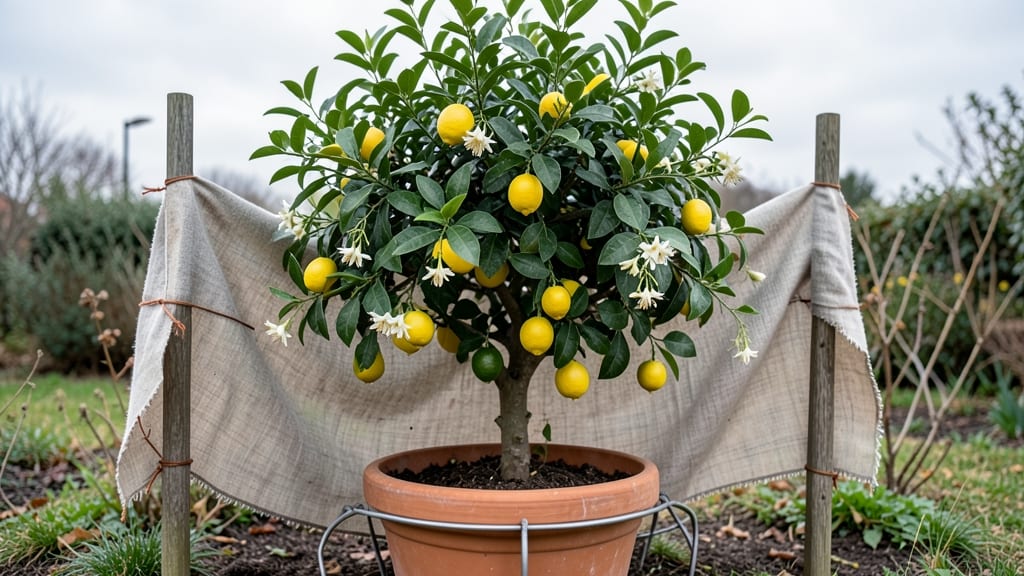
Whether you should cover your lemon tree in winter depends on your climate: in cold zones below 20°F, use frost cloth or burlap to shield from freezing temperatures, while milder areas may only need light wind protection. Prune damaged branches in spring after frost risks pass.
Deciding whether to cover your lemon tree hinges on your local winter conditions. 🌡️ Lemon trees are native to subtropical climates and can suffer chilling injury when exposed to prolonged temperatures below 28°F, which damages leaves and fruit.
In zones where winter dips below 20°F, frost cloth or burlap creates a protective barrier while allowing sunlight and airflow. Even in milder regions, a light covering can prevent windburn or frost damage during unexpected cold snaps.
The key is balancing protection with ventilation—trapped moisture can lead to fungal issues, so secure covers loosely and remove them during sunny days.
💡 In This Article
- When and Why to Protect Lemon Trees from Winter Cold
- DIY Lemon Tree Winter Protection: Materials and Setup Guide
When and why to protect lemon trees from winter cold
Lemon trees originate from subtropical regions where temperatures rarely drop below 40°F, making them highly sensitive to cold. When exposed to prolonged temperatures under 28°F, the leaves develop chilling injury—a condition where cell membranes rupture, causing brown spots, wilting, and eventual leaf drop.
The roots, which thrive in 60-75°F soil, can suffer irreversible damage below 20°F, leading to poor nutrient uptake and stunted growth. Even brief frost events can harm flower buds, reducing next year's fruit production by up to 70%.
The science behind this sensitivity lies in the tree's lack of natural cold-hardiness mechanisms. Unlike deciduous trees that enter dormancy and produce protective sugars, citrus trees remain metabolically active year-round. Their thin, waxy leaves lack the protective hairs or thick bark found in cold-hardy species.
When temperatures dip below 32°F, ice crystals form within the leaf cells, disrupting photosynthesis and causing permanent damage. 🌬️ In coastal areas where winds carry cold air, the risk increases—wind chill can make 25°F feel like 15°F, accelerating damage.
Frost also affects the tree's root system differently than above-ground parts. While roots can tolerate slightly colder soil (25°F for short periods), prolonged exposure leads to root rot due to poor drainage and fungal growth.
The root zone's temperature directly impacts the tree's ability to absorb water and nutrients, which is why mulching with 3-4 inches of organic material (like straw) helps insulate the soil.
In containers, the roots are even more vulnerable—potted lemon trees need extra protection since they can't regulate temperature like in-ground trees.
Here's what happens when you don't protect your lemon tree: Leaves turn black and crispy within 24 hours of frost exposure, while branches may develop cankers (sunken, dead areas). The tree's energy shifts from fruit production to survival, often resulting in smaller, fewer lemons the following season.
In severe cases, the tree may not recover at all. Even mild cold stress (30-32°F) weakens the tree, making it more susceptible to pests like aphids or scale insects that thrive on stressed citrus.
Consider these key factors when assessing your tree's needs: Your USDA hardiness zone, average winter lows, and whether your tree is potted or in-ground.
For example, a tree in Zone 9b (where winters rarely drop below 25°F) might only need occasional wind protection, while a Zone 8a tree (with potential 10°F nights) requires full frost protection.
The tree's age matters too—young trees are more vulnerable due to their smaller root systems and limited energy reserves. 🌱
One common misconception is that all citrus trees have the same cold tolerance. While Meyer lemons are slightly more cold-hardy (20°F tolerance) than standard varieties, they still need protection in freezing conditions.
The key is understanding your specific lemon tree's tolerance level and matching it with your local climate data. Most citrus trees begin showing cold damage when nighttime temperatures stay below 30°F for more than 2-3 hours, so monitoring your local weather forecasts is essential for timing protective measures.