
Trees
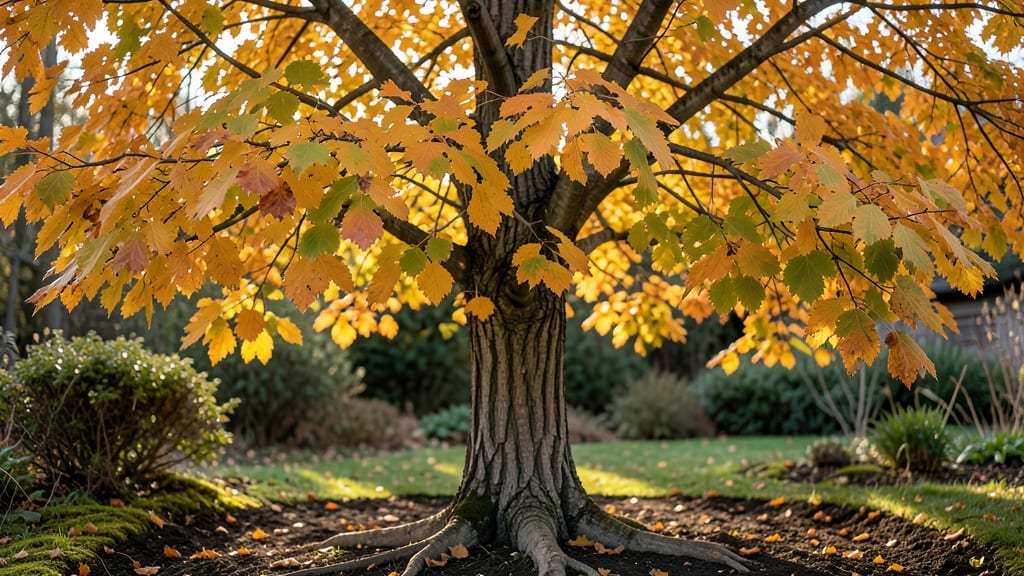
Poplar tree leaves in fall change to yellowish-brown hues before falling, usually between late September and November, influenced by daylight duration and species, as the tree recycles nutrients from the leaves.
This color transformation happens because poplar trees lack the deep red pigments (anthocyanins) found in maples or oaks.
Instead, their leaves reveal the natural yellow and brown tones hidden beneath green chlorophyll all summer. 🌿 The timing varies by region—northern climates see earlier color changes, while southern areas may hold onto leaves longer.
What's fascinating is how this process mirrors the tree's survival strategy, preparing for winter by reclaiming nutrients before shedding leaves.
Unlike some trees that put on dramatic red or orange shows, poplars offer a more subdued palette, which many gardeners appreciate for its understated beauty. The yellowish-brown tones appear first on the upper branches and gradually work downward, creating a cascading effect that's visually striking in its own way.
💡 In This Article
- Why Poplar Leaves Change Color Differently in Autumn
- When and How to Prune Poplar Trees After Fall Leaf Drop
Why poplar leaves change color differently in autumn
Poplar leaves turn yellowish-brown in autumn because they lack the anthocyanin pigments that create vibrant reds in maples or oaks. Instead, their color shift reveals the natural carotenoids (yellow pigments) and tannins (brown compounds) that were masked by chlorophyll all summer.
When daylight shortens, the tree stops producing chlorophyll, allowing these hidden pigments to become visible. This process is called senescence, where the tree essentially recycles nutrients from the leaves back into its trunk and roots for winter survival.
The timing of this change varies by species and climate. Eastern cottonwoods, for example, often turn yellow by early October in northern regions, while hybrid poplars in milder southern climates may hold onto their yellowish-brown leaves until November.
Temperature fluctuations also play a role—cool nights followed by warm days accelerate the breakdown of chlorophyll. Unlike maples that develop bright red leaves from new anthocyanin production, poplars simply reveal what was already there, creating their distinctive muted palette.
What makes poplar leaves unique is their rapid color transition. While other trees might linger in peak color for weeks, poplars typically shift from green to yellowish-brown within just 2-3 weeks before dropping.
This quick change happens because poplars have a shorter growing season and prioritize nutrient recovery over prolonged pigment displays. The leaves also tend to curl and crisp at the edges as they dry out, which helps the tree shed them more efficiently during windy autumn storms.
Regional climate differences create noticeable variations in timing. In the Pacific Northwest, where autumns are wetter, poplar leaves may stay attached longer due to moisture retention.
Meanwhile, in the Midwest, where nights drop below freezing earlier, leaves often turn and fall within a 3-4 week window between late September and early October. These regional patterns reflect how poplars have adapted their seasonal cycles to local environmental conditions over centuries.
Another fascinating aspect is how poplar leaves compare to other deciduous species. While maples produce new pigments for their red displays, poplars rely on existing compounds. This biological difference explains why poplar foliage never achieves the deep crimson hues of sugar maples.
Instead, their color palette remains in the yellow-brown spectrum, offering a more subdued but equally beautiful autumn transition that many gardeners appreciate for its natural, understated elegance.
For those observing poplar trees in fall, the best time to witness this transformation is during clear, sunny days when the leaves catch the light. The yellowish-brown hues appear most vibrant in morning sunlight, creating a warm glow that contrasts beautifully with the tree's gray bark.
This seasonal display serves as a reminder of nature's efficiency—how trees repurpose what they've grown to prepare for winter's challenges.