
Pruning
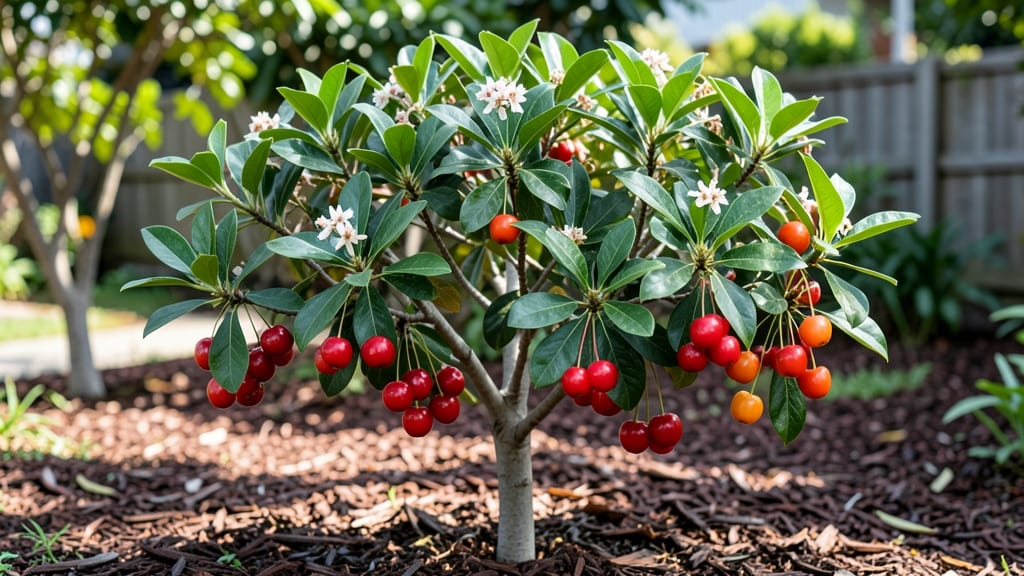
Your garden just got a year-round star—the Surinam cherry tree pictures you’ll want to frame—with its vibrant foliage and delicate pink blooms. 🌿 This tropical beauty isn’t just about fruit; it’s a lush, evergreen statement piece that thrives in warm climates and adds drama to any landscape, whether as a standalone specimen or mixed into borders.
The real magic happens in its textured leaves—deep green with striking red veins—that stay vibrant all year, while clusters of tiny pink flowers give way to bright red berries that birds adore.
Place it where its sun-loving nature shines (6+ hours of light) and watch it become the focal point of your garden, especially when paired with drought-tolerant companions like bougainvillea or ornamental grasses.
What you’ll love most? Its low-maintenance elegance—prune lightly after flowering to shape it, and it rewards you with color, texture, and movement that no seasonal plant can match.
The berries add a pop of edible interest (though tart!), but even if you skip the harvest, the foliage alone makes it a garden designer’s dream.
Perfect for tropical or Mediterranean-style gardens, this tree thrives in USDA Zones 10-11 but can be grown in containers in cooler areas. Whether you’re filling a sunny corner or creating a layered border, it’s the evergreen hero your landscape deserves.
📚 In This Guide
- What you need
- Instructions
- Tips and common mistakes
- Wrapping up and next steps
What you need
- ● Surinam cherry tree (Eugenia uniflora) – Choose a healthy sapling (3–5 ft tall) or a mature tree (if transplanting).
- ● High-quality potting soil or well-draining garden soil – Aim for a mix with 50% organic matter (e.g., compost or peat moss) and 50% perlite/sand for aeration.
- ● Pruning shears or loppers – Sharp, sterilized tools (alcohol wipe recommended) to avoid disease spread. Loppers for thicker branches (½"–1").
- ● Gloves – Heavy-duty gardening gloves to protect against thorns and sap.
- ● Mulch (wood chips or pine straw) – 2–3 inches to retain moisture and regulate soil temperature.
- ● Watering can or hose with a gentle spray nozzle – Surinam cherries prefer consistent moisture but hate soggy roots.
- ● Fertilizer (balanced 10-10-10 or citrus-specific formula) – Apply every 4–6 weeks in growing season (spring–fall).
- ● Tree stake or support – For young trees in windy areas.
- ● Slow-release fertilizer tablets – Reduces over-fertilizing risks.
- ● Pruning sealant – Only if sealing large cuts (>½") to prevent disease.
- ● Camera or smartphone – To capture those Surinam cherry tree pictures for your garden journal! 📸
- ● Bird deterrent (netting) – If local birds love the fruit as much as you do.
Instructions for planting and caring for a Surinam cherry tree
This vibrant tree thrives with the right approach—here’s how to set it up for stunning year-round color.
🌱 Step 1: Choose the Perfect Planting Spot
The Surinam cherry tree (Eugenia uniflora) loves full sun to partial shade, ideally 6-8 hours of direct sunlight daily. In hot climates, afternoon shade prevents leaf scorch, while cooler regions benefit from morning sun exposure. I always check the microclimate—trees near walls or fences may get less wind and more heat, so adjust accordingly.
Soil should drain well but retain moisture—amend heavy clay with compost or organic matter to improve aeration. The tree tolerates a range of soil types but struggles in waterlogged conditions. Dig a hole twice as wide as the root ball but no deeper, then loosen the surrounding soil to encourage root spread.
☀️ Step 2: Plant at the Right Depth and Water Thoroughly
Place the tree so the root flare (where roots meet trunk) sits 1-2 inches above soil level. Burying it too deep suffocates roots, while planting too high stresses the plant. Backfill with native soil mixed with compost to promote early root growth, then water deeply to settle everything.
After planting, water 1-2 gallons directly at the base—enough to moisten the root zone to 12 inches deep. Mulch with 2-3 inches of organic mulch (like wood chips) to retain moisture and regulate soil temperature. Keep mulch 6 inches away from the trunk to prevent rot.
💧 Step 3: Establish a Watering Routine for Strong Growth
Young trees need deep watering 2-3 times per week during the first growing season, while established trees thrive on weekly deep watering once roots spread. Check soil moisture by sticking your finger 2 inches deep—if dry, water again. Overwatering is the biggest mistake; yellowing leaves signal too much moisture.
Fertilize lightly in spring and early summer with a balanced, slow-release fertilizer (10-10-10). I use half the recommended dose to avoid burning roots. Surinam cherries aren’t heavy feeders—too much fertilizer leads to lush foliage at the expense of fruit production and vibrant color.
✂️ Step 4: Prune for Shape and Health
Prune in late winter or early spring before new growth begins. Remove dead, diseased, or crossing branches first, then shape the tree by cutting back overly long branches to maintain an open canopy. I never remove more than 25% of the foliage in one season—this keeps the tree resilient.
Watch for suckers (shoots at the base) and prune them immediately. These compete with the main tree for nutrients. Thin out crowded branches to improve airflow, which reduces fungal risks. The goal is a balanced, rounded shape that highlights the tree’s glossy, deep green leaves and occasional red berries.
🌿 Step 5: Monitor for Pests and Seasonal Adjustments
Surinam cherries are generally pest-resistant, but aphids or scale can appear on new growth. Spray with neem oil or insecticidal soap if you spot clusters of sticky residue (honeydew). I inspect leaves weekly during warm months—early intervention prevents infestations.
In winter, reduce watering but don’t let the soil dry out completely. The tree’s evergreen foliage stays vibrant with consistent moisture, even in cooler months. If temperatures drop below 20°F, protect young trees with burlap wraps or move potted specimens to a sheltered spot.
Tips & tricks for perfect Surinam cherry tree planting and care
Common pitfalls—and how to sidestep every one—when growing this stunning evergreen.
Sunlight Strategy: The 6-8 hours of sunlight in Step 1 is non-negotiable for vibrant foliage, but here's the trick: In hot climates, position your tree where it gets morning sun and afternoon shade to prevent leaf scorch. I've seen trees near west-facing walls turn crispy when planted in full afternoon sun—trust me, you'll notice the difference in leaf color within weeks.
Root Zone Mastery: When planting, focus on the root flare position—this is where roots meet the trunk—and keep it 1-2 inches above soil level. I learned this the hard way after burying a sapling too deep, which led to root suffocation and stunted growth. Use a ruler to measure if you're unsure, and always loosen surrounding soil to encourage those roots to spread outward.
Watering Wisdom: The 2-3 times per week for young trees in Step 3 might seem like a lot, but here's the secret: Water deeply each time to moisten the soil 12 inches down. Shallow watering encourages shallow roots, which means your tree won't establish properly. Use a long screwdriver to check moisture depth—if it comes out dry, water again.
Fertilizer Finesse: That half-dose of 10-10-10 fertilizer in spring and summer is crucial—too much nitrogen creates lush leaves but fewer cherries. I've seen gardeners go overboard and end up with a tree that looks healthy but produces almost no fruit. Think of it as a balance: feed just enough to support growth without overpowering the tree's natural fruit production cycle.
Pro Tips for Surinam Cherry Tree Pictures
- Common pitfalls—and how to sidestep every one—when growing this stunning evergreen.
- I've seen trees near west-facing walls turn crispy when planted in full afternoon sun—trust me, you'll notice the difference in leaf color within weeks.
- Root Zone Mastery: When planting, focus on the root flare position—this is where roots meet the trunk—and keep it 1-2 inches above soil level.
Frequently asked questions
How fast does a Surinam cherry tree grow, and how big will it get?
A Surinam cherry tree (Eugenia uniflora) grows at a moderate pace, adding about 12–24 inches per year under ideal conditions. With proper care, it typically reaches 15–25 feet tall and 10–15 feet wide, making it a perfect mid-sized shade tree or privacy screen. Patience is key—full maturity takes 5–10 years!
Can I grow a Surinam cherry tree in a pot, or does it need to be planted in the ground?
Yes! While Surinam cherry trees thrive in the ground, they can also grow in large containers (at least 20+ gallons) for 3–5 years before transplanting. Use well-draining soil and ensure the pot has drainage holes. Just know: Potted trees may need more frequent watering and winter protection in cold climates.
When and how should I prune my Surinam cherry tree for best results?
Prune in late winter or early spring (before new growth starts) to shape the tree, remove dead branches, or encourage airflow. Use clean, sharp pruners and make cuts just above a bud or branch collar. Avoid heavy pruning—these trees bloom on old wood, so limit cuts to no more than 25% of the canopy per year.
Why aren’t my Surinam cherry tree’s leaves turning red like in the pictures?
Leaf color varies by light, temperature, and variety. For deep red foliage, ensure your tree gets full sun (6+ hours daily) and well-draining soil. If leaves stay green, check for over-fertilizing (too much nitrogen) or shade stress. Some trees may also need a cool winter period (below 50°F) to trigger color changes.
Are Surinam cherry trees messy? Do they drop fruit, leaves, or seeds?
Not overly messy! While they produce small, edible cherries, these rarely drop en masse unless overripe. Leaves are semi-evergreen—they may yellow and drop in winter but regrow quickly in spring. Birds and squirrels love the fruit, so expect some scattered seeds. Mulch beneath the tree to minimize cleanup.
Wrapping up and next steps
The Surinam cherry tree isn’t just a stunning addition to your landscape—it’s a year-round showstopper with vibrant foliage, delicate blooms, and a touch of tropical charm. Whether you’re pruning for shape, health, or fruit, remember that patience and precision are key.
With the right tools, timing, and techniques, you’ll keep this beauty thriving for seasons to come! 🌿✨
Ready to transform your outdoor space? Start by sketching your vision, gathering your supplies, and scheduling your first pruning session. The more you observe and adapt, the more your Surinam cherry will reward you with lush, dramatic growth. Happy gardening! 🌟