
Pruning
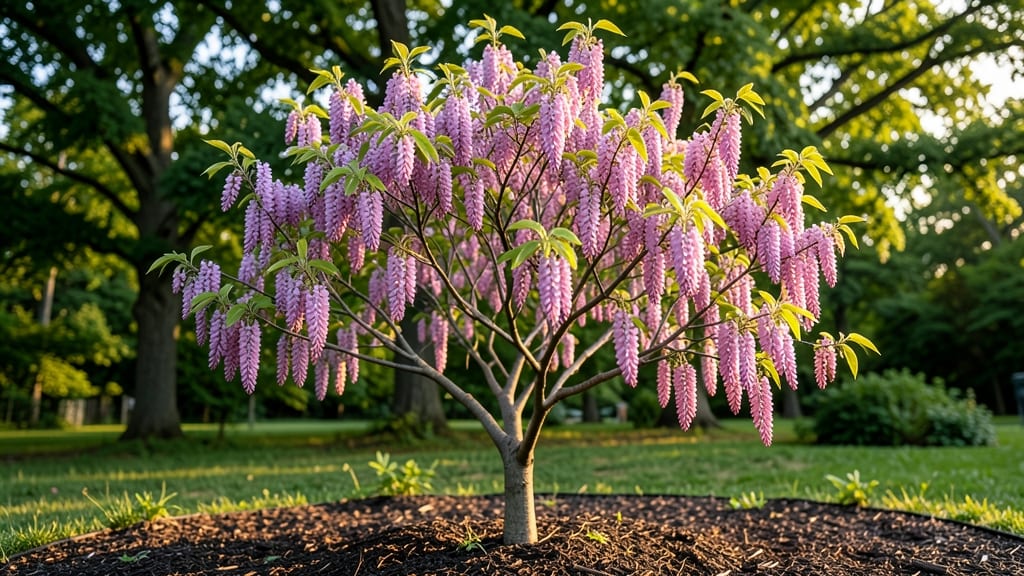
Pink flower clusters transform any yard into a dreamy springtime scene—tree with pink flower clusters is the secret weapon for year-round visual impact. 🌸 I learned the hard way that pruning these beauties isn’t just about shaping; it’s about unlocking their full blooming potential with just three strategic cuts that keep them flowering for months.
The magic lies in timing and technique. Prune Cercis canadensis (Eastern Redbud) in late winter before buds swell, while Lagerstroemia (Crapemyrtle) thrives with summer trims that reveal smooth bark. Cherry blossoms (Prunus serrulata) need their cuts in early spring to encourage abundant spring blooms.
Each species responds differently, but the goal is always the same: more flowers, longer seasons. What you’ll end up with is a tree that steals the show in spring, adds texture in summer, and becomes a winter silhouette masterpiece.
Pair them with evergreen shrubs for year-round structure or spring bulbs at their base for layered color. The contrast between their delicate blossoms and bold foliage creates a garden that feels like a postcard. Works in everything from city courtyards to rural acres.
Here’s how to make those pink clusters last all season—without turning your yard into a pruning disaster.
📚 In This Guide
- What you need
- Instructions
- Tips and common mistakes
- Wrapping up and next steps
What you need
- ● Pruning shears: Bypass shears (for clean cuts on small branches) – 1 pair (sharp, blank">bypass-style preferred).
- ● Loppers: For medium branches (1–2 inches thick) – 1 pair (with blank">ratcheting or bypass blades).
- ● Pruning saw: For thick branches (>2 inches) – 1 saw (curved blade for precision).
- ● Gloves: Heavy-duty, cut-resistant – 1 pair (to protect hands from thorns or rough bark).
- ● Disinfectant: 70% isopropyl alcohol or pruning sealant – small bottle (prevents disease spread).
- ○ Extension pole: Optional (for high branches) – 1–2 feet longer than tree height (adjustable preferred).
- ● Weather check: Prune on a dry, calm day (avoid rain or wind).
- ● Safety glasses: 1 pair (to shield eyes from debris).
- ● Ladder (if needed): Stable, non-slip – height matches tree (or hire a pro for tall trees!).
- ○ Tree ID guide: Optional but helpful (e.g., USDA Plant Database) to confirm your tree type (e.g., Crabapple, Dogwood, or Japanese Cherry).
- ● Water & snacks: For your pruning marathon! ☕🍎
How to prune a tree for stunning pink flower clusters
Your tree’s vibrant pink blooms start with three precise cuts—timed and executed just right.
✂️ Step 1: Late-Winter Cleanup (Dormant Season)
Grab your pruning shears and work during the tree’s dormant phase, ideally in late February or early March when no buds have swollen yet. This timing prevents stressing the tree as it prepares to bloom. Focus on removing dead, diseased, or crossing branches first—they compete with healthy growth and block sunlight from reaching inner branches where pink flower clusters form.
Make clean cuts at a 45-degree angle, just outside the branch collar (the swollen area where the branch meets the trunk). Avoid leaving stubs—they invite rot and weaken the tree’s structure. If a branch is thicker than your wrist, use a pruning saw instead of shears to avoid tearing the bark. Watch for branches growing toward the center of the tree; these crowd out airflow and sunlight, reducing flower production.
✂️ Step 2: Post-Bloom Thinning (Early Summer)
After the pink flower clusters fade, typically in late June or early July, return to the tree with your tools. This is when you’ll shape the canopy for next year’s blooms. Remove up to 25% of the thinnest, least productive branches—these are often the ones growing outward or upward without producing clusters. Prioritize branches that haven’t flowered well in past seasons; they’re likely overcrowded or poorly positioned.
Look for branches with multiple weak shoots—these siphon energy from the tree rather than supporting strong flower stems. Cut these back to a strong lateral branch or bud. Avoid heavy pruning now; the tree is still recovering from spring blooming. If you notice any branches with blackened or mushy wood, prune those out immediately to prevent fungal spread.
✂️ Step 3: Light Structural Pruning (Early Fall)
In September or early October, make one final pass to refine the tree’s shape and encourage next year’s flower clusters. Focus on water sprouts (fast-growing, vertical shoots) and branches that grow straight up—these rarely produce flowers and disrupt the tree’s natural form. Cut these back to a strong outward-facing bud or lateral branch. This step ensures the tree’s energy goes toward developing next season’s blooms rather than unproductive growth.
Step back and assess the tree’s silhouette. The goal is an open, airy canopy that allows sunlight to reach all branches, especially those in the lower third of the tree. If you’ve pruned correctly, you’ll see a balanced structure with no dense clusters of branches and plenty of room for new flower buds to form. Avoid pruning after mid-October—the tree needs time to heal before winter dormancy.
Tips & tricks for perfect pruning of pink flowering trees
To keep your tree blooming with vibrant pink clusters year after year, these refined techniques will make all the difference.
The Timing Factor: Late February or early March is critical for Step 1 because that's when the tree is fully dormant but just starting to prepare for spring growth. I've seen many gardeners miss this window and end up stressing the tree by pruning too early when buds are already swelling. If you're in a region with unpredictable winters, aim for when daytime temperatures consistently reach the mid-40s°F—this is your cue that the tree is ready.
Cutting Technique: That 45-degree angle in Step 1 isn't just aesthetic—it's about directing water away from the cut to prevent rot. I learned this the hard way after seeing several cuts develop fungal issues from poor drainage. For thicker branches, use your pruning saw to make the initial cut from the underside, then complete the cut from the top. This prevents the bark from tearing and creates a cleaner wound that heals faster. Always cut just outside the branch collar where the branch meets the trunk—this is where the tree's natural healing begins.
Seasonal Strategy: In Step 2 during post-bloom thinning, focus on removing branches that grow outward rather than those growing upward. Outward-growing branches often become overcrowded and block sunlight from reaching inner branches where next year's flower clusters will form. I've found that removing just 20-25% of the least productive branches in late June or early July gives the tree enough energy to develop stronger flower buds without overstressing it. Remember, the goal is to create an open canopy that allows sunlight to reach all branches.
Fungal Prevention: When you notice blackened or mushy wood in Step 2, don't just cut it out—sterilize your tools between cuts. I keep a bottle of 70% isopropyl alcohol in my pruning kit and wipe down my shears after every 3-4 cuts. This simple step has prevented fungal spread in my trees for years. For larger wounds, you can apply a thin layer of pruning sealant, but only on cuts larger than ½ inch in diameter. Small cuts actually heal better when left untreated as they form natural protective tissue.
Pro Tips for Tree With Pink Flower Clusters
- To keep your tree blooming with vibrant pink clusters year after year, these refined techniques will make all the difference.
- The Timing Factor: Late February or early March is critical for Step 1 because that's when the tree is fully dormant but just starting to prepare for spring growth.
- Cutting Technique: That 45-degree angle in Step 1 isn't just aesthetic—it's about directing water away from the cut to prevent rot.
Frequently asked questions
Got questions about keeping your tree with pink flower clusters thriving? You’re in the right place! Here are answers to the most common queries—from pruning timing to troubleshooting—so you can enjoy those stunning blooms all year round.
When is the best time to prune my tree with pink flower clusters?
Prune after the tree finishes blooming in spring (typically late May to early June). This ensures you don’t cut off next year’s flower buds. For light shaping, you can also prune lightly in late winter before buds swell—but avoid heavy cuts then. Pro tip: Never prune in fall, as it can stimulate late-season growth that won’t harden off before winter.
How do I know if I’m pruning too much or too little?
Follow the “one-third rule”: Never remove more than one-third of the tree’s foliage in a single year. For most trees with pink clusters (like Cornus florida or Lagerstroemia), light pruning to open the canopy and remove dead wood is ideal. Signs of over-pruning: Sparse blooms, leggy growth, or weak stems. If you’ve already overdone it, focus on recovery cuts next year—smaller, strategic trims to encourage regrowth.
Why aren’t my pink flowers coming back after pruning?
Pink flower clusters often rely on old wood (last year’s growth) for blooms. If you pruned too late or too aggressively, you may have cut off next year’s buds. Fix it:
- Identify where buds form (usually on mature branches, not new growth).
- Avoid “rejuvenation pruning” (cutting back to the ground)—this can delay blooms for 2+ years.
- Fertilize lightly in early spring with balanced 10-10-10 to encourage bud development.
Can I grow a tree with pink flower clusters in a small yard or container?
Yes! Dwarf varieties like Cornus kousa ‘Saturn’ or Lagerstroemia ‘Natchez’ thrive in containers (use a 15+ gallon pot) or tight spaces. Key tips:
- Choose a well-draining potting mix with perlite.
- Prune annually to control size—focus on thinning out rather than shearing.
- Move containers to partial shade in hot climates to prevent stress.
Are there pests or diseases I should watch for with these trees?
Watch for:
- Scale insects (sticky residue on leaves) or Japanese beetles (skeletonized foliage). Treat with neem oil or insecticidal soap.
- Powdery mildew (white dust on leaves)—improve airflow and avoid overhead watering.
- Canker diseases (sunken, oozing spots on bark). Prune infected branches 6 inches below the damage and sterilize tools.
Wrapping up and next steps
Transforming your yard with a stunning tree with pink flower clusters isn’t just about luck—it’s about strategy! With the right tools, timing, and three key pruning cuts, you can keep that vibrant bloomscape thriving year-round. 🌸✂️
Now that you’re armed with knowledge, why not take action? Grab your pruners, pick a sunny day, and give your tree the care it deserves. Your garden’s next masterpiece starts with a single cut!