
Pests and Diseases
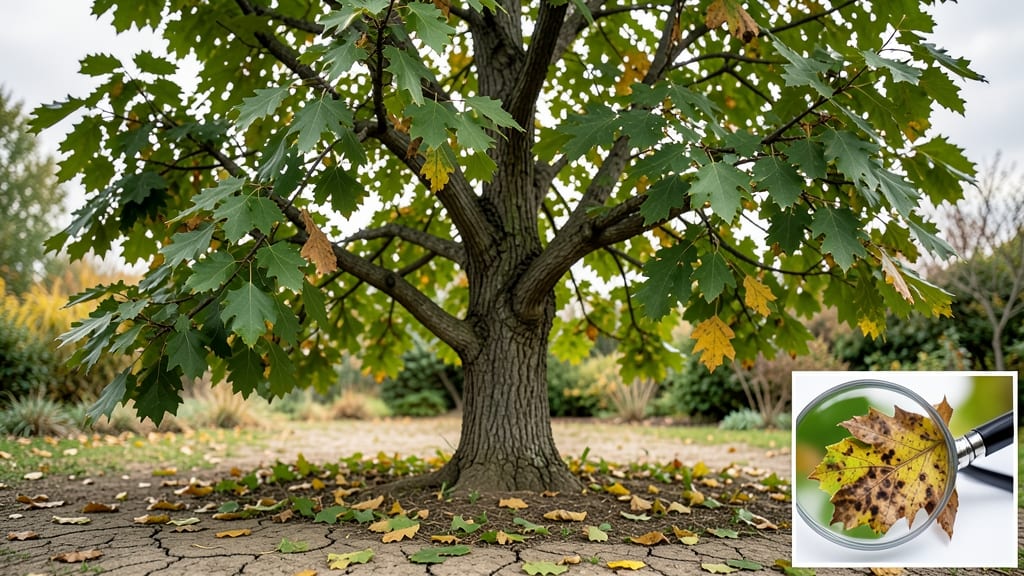
Your tree’s green leaves falling off in summer isn’t normal—and it’s a cry for help. 🌳 Whether it’s a sudden pest attack, hidden disease, or just too much sun, the cause matters. I’ve seen this happen to my oak and maple, and the fix depends on what’s really wrong.
The first step is checking the leaves closely: yellowing edges mean drought, tiny holes suggest caterpillars, and sticky residue? Aphids. Environmental stress often looks like disease, but the patterns differ. A quick inspection saves you from treating the wrong problem.
Once you identify the issue, solutions are straightforward: water deeply but less often, prune affected branches, or introduce beneficial insects. My tree’s health turned around in just two weeks after I adjusted its care.
This guide walks you through the most common causes and fixes—plus how to prevent it next season. Let’s get your tree thriving again.
Understanding Summer Leaf Drop Causes
When your tree’s vibrant green leaves start falling prematurely in summer, it’s rarely a coincidence—it’s a distress signal. Let’s break down the key culprits behind this issue, from environmental stressors to hidden pests and diseases, so you can diagnose the problem accurately.
Summer’s scorching sun and dry spells can push trees past their comfort zone, leading to leaf abscission (premature leaf drop). Here’s how it happens:
- Water Deficit Triggers: Trees like oaks, maples, and fruit trees rely on consistent moisture. When soil dries out, roots struggle to supply water, causing wilting (even temporarily).
If the tree can’t recover, it sheds leaves to conserve energy. - Heat Shock: Temperatures above 90°F (32°C) for prolonged periods can denature enzymes in leaves, disrupting photosynthesis.
The tree responds by dropping damaged foliage to prioritize survival. - Symptoms to Watch For: - Leaves turn yellow or brown at the edges before falling. - Soil feels bone-dry 2–3 inches deep (test with a screwdriver). - Wilting during the day but recovering at night (early-stage stress).
💡 Pro Tip: Mulch around the base (2–4 inches deep) to retain moisture, and water deeply 2–3 times per week (not shallow daily spurts). Drip irrigation is ideal for heatwaves.
Pests don’t just nibble—they drain nutrients and inject toxins, forcing trees to jettison leaves. Common offenders include:
| Pest | How It Attacks | Telltale Signs |
|---|---|---|
| Aphids | Suck sap, excrete honeydew (sticky residue), and spread viruses. | Curled, sticky leaves; ants (they farm aphids). |
| Japanese Beetles | Skewer leaves in skeletonized patterns; feed on fruit trees (e.g., roses, linden). | Chewed leaf edges; beetles visible on foliage. |
| Spider Mites | Tiny arachnids pierce cells, causing stippling (white/yellow dots). | Fine webbing on undersides; leaves turn bronze/yellow before dropping. |
| Borers (e.g., Bark Beetles) | Larvae tunnel under bark, disrupting water flow. | Sawdust-like frass at base; wilting despite moist soil. |
🔥 Action Step: Knock off visible beetles with a strong water spray (early morning). For mites, apply neem oil (follow label rates). Severe cases may need systemic insecticides (consult a local arborist).
Pathogens thrive in summer’s warm, humid conditions, causing leaves to yellow, spot, or drop. Key diseases:
- Anthracnose (Common in sycamores, dogwoods):
- Causes: Fungal spores splash onto leaves from soil/splashed water.
- Signs: Target-shaped brown spots with yellow halos; leaves drop prematurely.
- Fix: Prune infected branches (sterilize tools with 70% alcohol), and apply copper fungicide preventatively.
- Bacterial Leaf Spot (Affects elms, cherries, and fruit trees):
- Causes: Bacteria (Xanthomonas spp.) enter through wounds or rain splashes.
- Signs: Greasy, water-soaked spots that expand; leaves drop quickly.
- Fix: Remove infected leaves/debris; avoid overhead watering. Copper-based bactericides can help.
- Powdery Mildew (White, flour-like coating):
- Causes: Fungal spores spread in low-light, high-humidity conditions.
- Signs: Leaves yellow and drop; white dust on upper surfaces.
- Fix: Improve air circulation; spray baking soda mix (1 tbsp baking soda + 1 gallon water + a drop of soap).
⚠️ Warning: Never compost infected leaves—burn or bag them to prevent spread.
Too much love (or the wrong kind) can drown roots, leading to root rot and leaf drop. How to spot it:
- Symptoms:
- Leaves turn yellow all over (not just edges).
- Soil smells sour or moldy; roots appear black/mushy if dug up.
- Tree grows in clay-heavy or compacted soil.
- Why It Happens:
- Fungal root rot (Phytophthora) thrives in waterlogged soil, blocking nutrient uptake.
- Oxygen deprivation stunts root growth, causing the tree to shed leaves to survive.
🌡️ Solution:
- Test drainage: Dig a hole 12 inches deep—if water pools after 6 hours, amend soil with compost or sand.
- Adjust watering: Let topsoil dry 2–3 inches deep before watering again.
- Aerate compacted soil: Use a manual aerator or hire a professional for deep core aeration.
Urban trees often face hidden stressors like pollution or improper treatments:
- Air Pollution (Ozone/Sulfur Dioxide):
- Effect: Leaves develop brown/black flecks (necrotic spots) and drop.
- Common in: Cities near highways or industrial areas.
- Solution: Plant tolerant species (e.g., ginkgo, hackberry) or use foliar sprays with antioxidants (e.g., Sea90).
- Herbicide/Over-Fertilizer Drift:
- Symptoms: Bleached or crispy leaf edges; drop within days of exposure.
- Fix: Flush soil with water to dilute chemicals; avoid fertilizing during drought.
Even healthy trees need balanced nutrients. Deficiencies often mimic pest/disease symptoms:
| Nutrient Deficiency | Leaf Symptoms | Quick Fix |
|---|---|---|
| Nitrogen (N) | Pale yellow leaves (older leaves first) | Apply slow-release nitrogen (e.g., blood meal). |
| Potassium (K) | Yellow edges/brown spots (like scorching) | Use wood ash or potassium sulfate. |
| Magnesium (Mg) | Interveinal yellowing (veins stay green) | Sprinkle Epsom salt (1 tbsp/gallon water). |
| Iron (Fe) | Yellow leaves with green veins (chlorosis) | Apply chelated iron or acidify soil (sulfur). |
💡 Pro Tip: Get a soil test ($20–$50) before fertilizing—overdoing it can burn roots and worsen leaf drop.
🎯 Key Takeaway: Summer leaf drop is almost always a symptom of stress. Start by ruling out water issues (too much or too little), then check for pests/diseases, and finally investigate nutrient or pollution problems. Act fast—early intervention can save your tree!
How to Fix Your Tree’s Summer Leaf Loss
Summer shouldn’t mean a slow-motion leaf parade for your trees! If you’ve spotted green leaves dropping prematurely in the heat, don’t panic—most causes have clear fixes. Below, we’ve matched the most likely culprits with step-by-step solutions and prevention tips to keep your tree thriving. Let’s get to work!
Signs: Wilting, crispy edges, leaves falling even when hydrated, or a tree looking "thirsty" despite watering.
How to Fix It: 🔥 Boost Watering (But Smartly)
- Deep watering 2–3 times per week (early morning or evening) is better than shallow daily sprinkles.
- Use a soaker hose or drip irrigation to deliver moisture directly to roots.
- Test soil moisture 3 inches deep—if it’s dry, water more. If it’s soggy, cut back.
🌱 Mulch Like a Pro
- Spread 3–4 inches of organic mulch (wood chips, straw) around the base, keeping it 6 inches away from the trunk.
- Mulch retains moisture and regulates soil temperature—think of it as a cozy blanket for roots!
🌿 Provide Shade Relief
- If your tree is in a hot, sunny spot, temporarily shade it with burlap screens or move potted trees to partial shade.
- Avoid pruning during peak heat—wait for cooler months to reduce stress.
Prevention Tip: 💡 Water deeply before extreme heatwaves hit. Trees with established root systems handle summer better!
Signs: Sticky residue (honeydew), tiny webs, chewed leaves, or leaves curling up like little tents.
How to Fix It: 🔍 Inspect & Identify the Pest
- Flip leaves to spot aphids (tiny green/black bugs) or spider mites (tiny dots + webbing).
- Check for caterpillars or larvae munching on foliage.
🛡️ Natural Pest Control First - Blast pests off with a strong spray of water (early morning works best). - Neem oil spray (1 tsp neem oil + 1 tsp mild soap per quart of water) disrupts their life cycle.
Reapply every 5–7 days. - Introduce beneficial insects: Ladybugs and lacewings eat aphids—buy them online or attract them with dill or fennel plants.
🚫 Avoid Harsh Chemicals
- If pests are severe, use insecticidal soap or Bt (Bacillus thuringiensis) for caterpillars—both are tree-safe.
Prevention Tip: 🌡️ Keep trees healthy—stressed trees attract pests! Prune for airflow and fertilize in early spring.
Signs: Yellow spots, black lesions, or a white powdery coating on leaves (common in humid summers).
How to Fix It: 🧼 Clean Up Debris
- Remove fallen leaves and infected branches immediately—fungi love to hibernate in organic matter.
- Sterilize pruners with rubbing alcohol between cuts.
🌧️ Improve Airflow
- Thin out dense branches to let sunlight and air circulate.
- Avoid overhead watering—use drip irrigation to keep leaves dry.
💊 Fungal Treatments
- Baking soda spray (1 tsp baking soda + 1 tsp oil + 1 gallon water) helps with powdery mildew.
- For anthracnose, apply copper fungicide (follow label instructions) in early summer.
Prevention Tip: ✨ Water at the base, not the leaves, and avoid late-day watering when humidity spikes.
Signs: Leaves yellowing from the bottom up, mushy roots, or slow growth despite watering.
How to Fix It: 💧 Check Your Watering Habits
- Overwatering suffocates roots. Let the top 2 inches of soil dry out between waterings.
- If soil is clay-heavy, amend it with compost or sand to improve drainage.
🔨 Aerate Compacted Soil
- Use a garden fork to loosen soil around roots (gently!).
- For potted trees, repot into fresh soil if roots are circling.
Prevention Tip: 🎯 Test your soil with a simple kit—knowing pH and drainage helps tailor care.
Signs: Pale green leaves, stunted growth, or leaves falling even when hydrated.
How to Fix It: 🍽️ Fertilize Strategically
- Slow-release fertilizer (like 10-10-10) in early summer gives trees a steady nutrient boost.
- For micronutrients, use Epsom salt (1 tbsp per gallon of water) for magnesium deficiency (yellowing between veins).
🌿 Feed the Soil, Not Just the Tree
- Mulch with compost to enrich soil naturally.
- Avoid over-fertilizing—it can burn roots!
Prevention Tip: 💪 Feed trees in spring and early summer—they’re hungry after winter!
Final Pro Tip: 🔥 Monitor your tree weekly—catching issues early (like wilting or pests) makes fixes easier. And remember: Patience is key—trees recover faster when stress is managed, not ignored!
Now go save those leaves—your tree will thank you with lush, happy foliage all season long! 🌳💚
Frequently asked questions
Why are my tree’s leaves falling in summer when it’s supposed to be the healthiest time of year?
Summer leaf drop is usually a stress signal—your tree is reacting to heat shock, water shortages, or hidden pests. Unlike autumn, summer leaf loss means something’s wrong, like roots struggling to supply water or insects like spider mites draining nutrients. Start by checking soil moisture and inspecting leaves for tiny webs or chewed edges.
How can I tell if my tree is thirsty or overwatered?
Check the soil 3 inches deep—if it’s bone-dry, your tree needs water. If it’s soggy, you’re overdoing it. Wilting that recovers at night signals thirst, while yellowing from the bottom up and mushy roots mean overwatering. For clay soil, improve drainage with compost or sand.
What’s the fastest way to stop aphids from making my leaves sticky and dropping?
Blast them off with a strong water spray (early morning), then apply neem oil (1 tsp + 1 tsp soap per quart of water). Reapply every 5–7 days. For severe cases, introduce ladybugs—they eat aphids naturally. Avoid chemical sprays near flowers to protect pollinators.
Can I save my tree if it’s already lost half its leaves in summer?
Yes! Act fast: deep water 2–3 times per week, mulch 3–4 inches deep, and prune any dead branches. If pests are the issue, use neem oil or insecticidal soap. Most trees recover within 4–6 weeks if the roots are still healthy—just avoid fertilizing until new growth appears.
Will pruning help my tree keep its leaves in summer?
Only if done correctly! Avoid pruning during peak heat—wait for cooler months. Instead, thin out dense branches to improve airflow (helps with fungal diseases) and remove any dead/diseased limbs. Never prune more than 25% of the canopy at once, or you’ll stress the tree further.