
Pruning
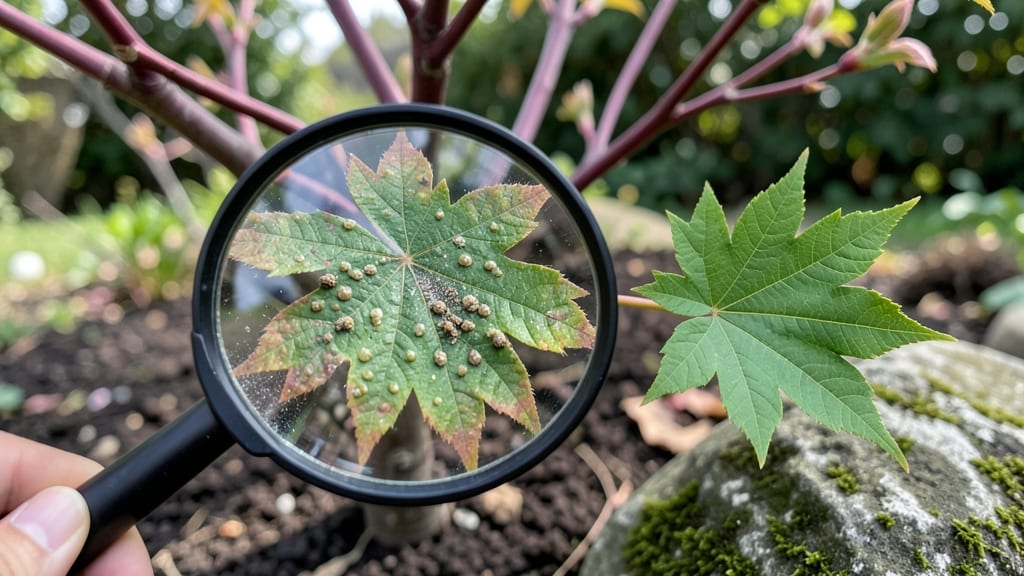
Maple tree leaf bumps are usually a sign of fungal spot taking hold—don’t let it spread. 🌿 I’ve seen this issue ruin otherwise healthy trees, but the good news is catching it early means a quick fix with the right approach.
The bumps start small, often yellow or brown, and can turn leaves crispy if ignored, but with proper care, your tree can bounce back strong.
Most leaf bumps come from fungal diseases like anthracnose or tar spot, though mites or environmental stress can mimic the problem. The key is identifying the exact issue—check for raised bumps, discoloration, or premature leaf drop.
Once you know what’s causing it, you can tackle it with targeted treatments, whether that’s organic sprays, pruning affected branches, or improving airflow around the tree.
With just three simple steps—cleaning up fallen leaves, applying the right fungicide, and keeping your tree healthy—you’ll see new growth within weeks. The goal is to stop the spread before it weakens the whole tree, and the sooner you act, the easier the recovery.
Your maple will thank you with vibrant, bump-free leaves next season.
This method works for all maple varieties, from sugar maples to silver maples, and fits into your regular tree care routine. The secret is consistency—don’t wait until the problem looks severe. Early action keeps your tree thriving without drastic measures.
Root Causes Of Leaf Bumps
Understanding why your maple tree leaves develop bumps is the first step to treating them effectively. These irregularities often stem from environmental stressors, pest activity, or fungal infections. Let’s break down the most common culprits and their scientific explanations.
Fungal infections are the leading cause of leaf bumps on maple trees, particularly anthracnose and tar spot. These pathogens thrive in humid, rainy conditions and weaken leaves by disrupting their cellular structure.
- Anthracnose (Gloeosporium spp.) creates dark, sunken spots with raised edges, often surrounded by yellow halos. The fungus invades leaf tissue, causing necrotic (dead) areas that appear bumpy or puckered. - Tar spot (Rhytisma spp.) produces black, raised, tar-like spots that can merge and distort leaf shape.
The fungus overwinters in fallen leaves, reinfecting the tree each spring when moisture is high.
Actionable Insight: 🔍 Fungal spores spread via splashing water and wind. Prune infected leaves before they fall (autumn) and sterilize tools with 70% isopropyl alcohol to prevent spread.
Certain insects feed on leaf sap, triggering bumpy, deformed growth as the tree compensates for damage. The most notorious offenders include:
- Aphids (greenfly, blackfly) inject toxins while feeding, causing sticky honeydew and puffy, curled leaves.
- Scale insects create hard, crusty bumps (like tiny shields) as they suck sap, stunting growth and discoloring leaves.
- Spider mites (tiny arachnids) cause stippling (tiny white/yellow dots) that can evolve into raised, leathery bumps due to cellular stress.
Actionable Insight: 💦 Blast pests off with a strong spray of water (early morning) or apply neem oil (1 tsp per quart of water) to disrupt their life cycle. Ladybugs and lacewings are natural predators—encourage them with dill or fennel plants nearby!
Extreme conditions force maple trees to overproduce protective tissues, leading to bumpy textures. Common triggers:
- Sun scald: Young, thin leaves exposed to intense afternoon sun develop white or brown bumps (like blisters) as cells die from heat stress.
- Nitrogen deficiency: Leaves may turn yellow with raised, vein-like bumps as the tree prioritizes root growth over foliage.
- Waterlogging: Roots starved of oxygen produce puffy, spongy leaves as a survival mechanism.
Actionable Insight: 🌡️
- Shade cloth (30–50%) can protect young trees from sunburn.
- Soil test for nitrogen (add compost or slow-release fertilizer if levels are low).
- Improve drainage by amending clay soil with sand or organic matter (avoid compacted areas).
While less common, viruses (e.g., maple mosaic virus) and bacteria (e.g., Pseudomonas) can cause wart-like bumps or ring spots. These pathogens often arrive via infected pruning tools or sap-sucking insects.
- Symptoms: Irregular raised, scaly patches or yellow-green mosaic patterns.
- Risk: Viruses are incurable; infected trees should be removed to prevent spread.
Actionable Insight: 🛡️
- Disinfect tools with bleach solution (1 part bleach to 9 parts water) between cuts.
- Monitor for secondary infections (e.g., sooty mold from honeydew).
- Consult a local arborist if symptoms persist—early diagnosis is key!
Fixing Leaf Bumps Fast
Now that you know what’s causing those pesky bumps on your maple leaves—whether it’s fungal spots, pests, or environmental stress—it’s time to take action! Here’s a clear, step-by-step guide to treating the issue and keeping your tree healthy.
If leaf bumps are caused by fungal infections like anthracnose or tar spot, act quickly to stop the spread.
🍳 Clean Up the Area
- Remove infected leaves – Gather fallen or heavily spotted leaves and dispose of them in a sealed trash bag (not your compost pile).
- Prune affected branches – Use sterilized pruners (wipe with rubbing alcohol) to cut back any branches with severe spots. This prevents the fungus from spreading further.
👨🍳 Apply Fungicide
- Choose a copper-based fungicide or a neem oil solution (1 tsp neem oil + 1 quart water + a drop of dish soap as a surfactant).
- Spray thoroughly on the top and bottom of leaves, focusing on new growth.
Repeat every 7–10 days until new leaves emerge without spots. - Best time to spray: Early morning or late evening when humidity is high (fungi love moisture!).
🥘 Improve Airflow
- Thin out dense branches to allow sunlight and air to circulate.
- Water at the base (not overhead) to keep leaves dry.
If tiny bumps are from mites, aphids, or scale insects, here’s how to kick them out.
🔪 Blast Off Pests
- Hose them down – Use a strong stream of water to dislodge mites and aphids from leaves.
- Apply insecticidal soap (1–2 tbsp per gallon of water) or neem oil spray (follow label instructions). Reapply every 5–7 days for 2–3 weeks.
🌡️ Encourage Natural Predators
- Ladybugs, lacewings, and birds love eating pests. Plant marigolds or dill nearby to attract them.
- Avoid broad-spectrum pesticides—they can harm beneficial insects too!
If bumps are from drought, nutrient deficiency, or poor soil, focus on preventive care.
💧 Water Deeply and Consistently
- Water slowly at the base (1–2 inches per week) rather than frequent shallow watering.
- Mulch around the trunk (2–3 inches of organic mulch) to retain moisture and regulate soil temperature.
📊 Feed the Soil
- Test your soil (a simple DIY kit from a garden center works) to check pH and nutrient levels.
- Add compost or a balanced fertilizer (10-10-10) in early spring before new growth starts.
- For iron deficiency (yellow spots): Apply chelated iron or use Epsom salt (1 tbsp per gallon of water, spray on leaves).
✨ Prevent Future Issues
- Prune in late winter/early spring to remove weak or crossing branches.
- Avoid over-fertilizing—too much nitrogen can weaken trees, making them more susceptible to pests and disease.
- Monitor regularly—check leaves weekly during growing season for early signs of trouble.
✅ Rotate treatments – If using fungicides or pesticides, alternate between types to prevent resistance. ✅ Sanitize tools – Always clean pruners and rakes with rubbing alcohol or bleach solution (1 part bleach to 9 parts water) between uses. ✅ Plant disease-resistant varieties – If your maple is prone to issues, consider switching to Norway or Sugar maples, which are generally hardier. ✅ Watch the weather – Fungal spores thrive in wet, humid conditions.
If rain is forecasted, apply preventative sprays before it starts.
With these steps, your maple’s leaves should bounce back in no time—bump-free and beautiful! 🌳💚
Frequently asked questions about maple tree leaf bumps
Are maple tree leaf bumps always a sign of disease?
Not necessarily! While fungal infections like anthracnose or tar spot cause common bumps, environmental factors like sun scald or nutrient deficiencies can also create similar textures. Check for other symptoms: dark spots with yellow halos suggest fungus, while yellowing leaves with raised veins may indicate nitrogen deficiency. Always examine both leaf surfaces for clues.
Can I use household items to treat maple leaf bumps?
Yes! For mild fungal issues, mix 1 teaspoon baking soda with 1 quart water and a drop of dish soap as a surfactant. Spray on leaves every 7 days for 2 weeks. For pests, neem oil (1 tsp per quart of water) works well—just shake before applying. Always test on a small leaf area first to avoid damage.
How do I know if my maple tree has a viral infection?
Viral infections (like maple mosaic virus) typically show as irregular, scaly bumps or mosaic patterns on leaves, often with no other visible symptoms. Unlike fungal spots, viral bumps don't have dark centers or yellow halos. Unfortunately, viruses can't be cured—remove infected trees immediately to prevent spread to nearby plants. Consult an arborist if you suspect this.
Will pruning help if my maple tree already has bumpy leaves?
Prune severely affected branches in late winter or early spring to remove infected tissue and improve airflow. Always use sterilized tools (wipe with rubbing alcohol) to prevent spreading spores. Focus on thinning dense areas—this reduces humidity around leaves, making it harder for fungi to thrive.
How often should I check my maple tree for leaf bumps?
Inspect your tree every 2 weeks during growing season (spring to fall). Early detection is key—catching fungal spots or pests before they spread makes treatment much easier. Pay extra attention after rain, as fungal spores thrive in wet conditions. Keep a small notebook to track changes over time.