
Pruning
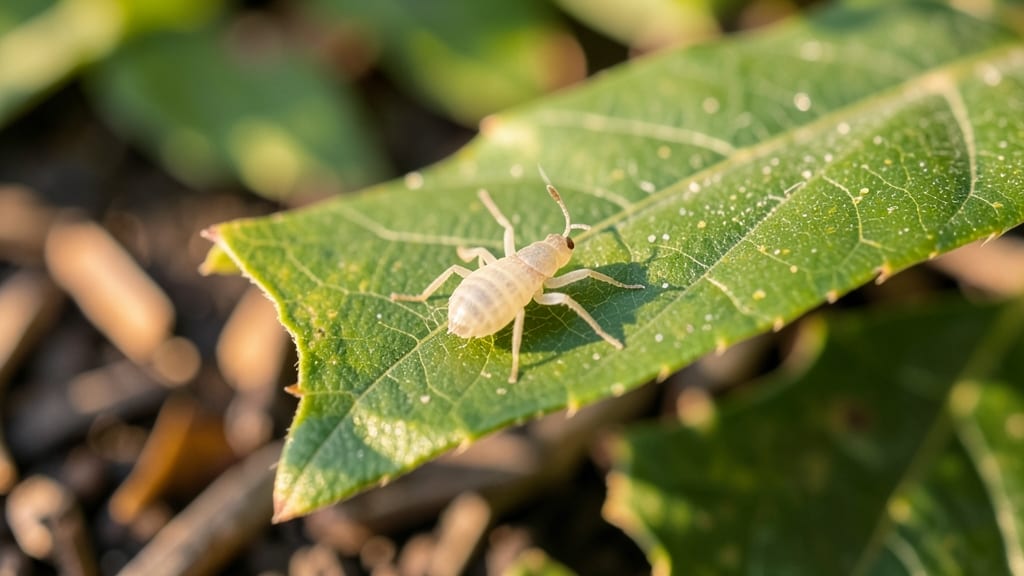
Maple tree mites turn vibrant foliage into speckled, wilting messes—unless you act fast. 🌿 These tiny pests thrive on maples, sucking sap and leaving behind stippled leaves that drop early.
I’ve battled them on my sugar maple, and the right spray can revive your tree’s health in just a few applications. The key is timing: treat mites in early summer before they multiply, using horticultural oil or insecticidal soap for organic control.
For severe cases, systemic sprays work deeper, but always test a small branch first. Pruning affected branches also helps, though it’s not a standalone fix. By late summer, you’ll see new growth pushing out rich, green leaves again—no more brown speckles.
The secret is consistency: check weekly, spray when needed, and keep beneficial insects like ladybugs around to eat the eggs. Works for sugar, red, and silver maples alike. Let’s get your tree looking lush again!
Root Causes Of Maple Mite Infestations
Maple trees, with their vibrant foliage and sturdy presence, can quickly become a battleground for tiny but tenacious pests like tree mites.
Understanding why these pests target your maple trees—and how environmental and biological factors create the perfect storm for an infestation—is the first step to reclaiming your tree’s health. Below, we break down the key reasons these mites choose your maple trees as their home, backed by science and actionable insights.
Maple trees thrive in moderate climates, but when temperatures swing too hot or too dry, they become stressed—and that stress signals mites to move in. Tree mites, particularly Eriophyid mites (common on maples), are attracted to weakened trees because:
- Heatwaves and drought reduce the tree’s ability to produce protective resins, making its leaves an easier buffet for mites. 🌞💦
- Rapid temperature shifts (e.g., cold snaps followed by sudden warmth) disrupt the tree’s natural defenses, leaving it vulnerable.
- Poor soil moisture limits the tree’s nutrient uptake, weakening its foliage and making it a prime target for mite colonization.
Actionable fix: Monitor soil moisture and water deeply during dry spells (1–2 inches per week). Mulching helps retain moisture and regulate root-zone temperature.
Mites love dense, shaded foliage because it creates a humid microclimate—perfect for their survival. Overgrown maple trees with thick, tangled branches:
- ✔️ Trap moisture, increasing humidity and slowing air circulation (mites thrive in still, damp air).
- ✔️ Block sunlight, weakening lower leaves and making them easier targets for feeding.
- ✔️ Provide more surface area for mites to spread unchecked.
Actionable fix: Prune your maple tree annually to:
- 🔪 Remove 10–20% of the canopy to improve airflow.
- ✂️ Thin out crowded branches to let sunlight reach lower leaves.
- 🌿 Avoid heavy pruning in late summer (stress = mite magnet).
Mites aren’t the only players in the maple tree ecosystem. A healthy tree has a natural defense system of predators—like ladybugs, lacewings, and parasitic wasps—that keep mite populations in check. When this balance tips, mites explode:
- Pesticide overuse kills beneficial insects faster than mites, leaving your tree defenseless. 🚫💥
- Monoculture landscapes (planting only maples or other susceptible trees) starve predator populations.
- Urbanization reduces biodiversity, cutting off natural mite controls.
Actionable fix: Foster a predator-friendly garden by:
- 🌼 Planting companion species like yarrow, dill, or marigolds to attract beneficial insects.
- 🛡️ Using selective sprays (e.g., horticultural oil or neem oil) that target mites but spare predators.
- 🐞 Avoiding broad-spectrum insecticides during mite outbreaks.
Maple trees with nutrient deficiencies (especially nitrogen, potassium, or magnesium) produce weak, sappy leaves—all-you-can-eat buffets for mites. Soil problems like:
- ⚠️ Compacted soil (restricts root growth, starving the tree).
- ⚠️ High salinity (from fertilizers or poor drainage).
- ⚠️ pH imbalances (maples prefer 6.0–7.5; extremes weaken defenses).
Actionable fix: Test your soil and amend it with:
- 🌱 Organic matter (compost or aged manure) to improve structure.
- 💧 Slow-release fertilizers (balanced NPK, e.g., 10-10-10) in early spring.
- 🔬 Lime or sulfur to adjust pH if needed.
Pro tip: 💡 Yellowing leaves? It might signal a nutrient deficiency—or a mite infestation. Check for fine webbing on undersides before diagnosing!
Targeted Treatments for Maple Mites
Maple mites may seem like a tiny menace, but with the right approach, you can restore your tree’s health and prevent future outbreaks. Below are practical, step-by-step solutions tailored to the root causes of infestation—from chemical sprays to organic fixes—plus prevention tips to keep your maple tree thriving.
If mites have already caused significant damage (yellowing leaves, webbing, or stunted growth), horticultural oils or miticides are your best bet for quick action.
🍳 Step 1: Choose the Right Spray
Use one of these EPA-approved options for mites on maple trees:
- Horticultural oil (e.g., Neem oil or refined petroleum oil) – Smothers mites and disrupts their life cycle. Best for early-stage infestations.
- Miticide sprays (e.g., Sulfur-based or Pyrethrin-based)** – Kills mites on contact. Use only if organic options fail.
- Systemic insecticides (e.g., Imidacloprid) – Absorbed by the tree to provide long-term protection. Apply in early spring before mites emerge.
⚠️ Pro Tip: Always test sprays on a small branch first to avoid leaf burn, especially with sulfur-based products.
👨🍳 Step 2: Apply Correctly for Maximum Effect
- Timing is key: Spray early morning or late evening when temperatures are below 85°F (29°C) to avoid harming beneficial insects.
- Cover all surfaces: Focus on undersides of leaves (where mites hide) and new growth areas.
- Reapply as needed: Follow label instructions—most sprays require 2-3 applications, 7-10 days apart.
If you prefer non-toxic solutions, these methods work well for light to moderate infestations:
🥘 Homemade Neem Oil Spray (DIY Recipe)
Neem oil is a natural miticide that also repels future pests. Here’s how to make it:
- 1 tsp neem oil
- 1 tsp mild liquid soap (as an emulsifier)
- 1 quart (32 oz) water
Mix well and spray thoroughly on both sides of leaves. Reapply every 5-7 days until mites disappear.
💡 Pro Tip: Add a few drops of garlic juice to boost repellent properties—miters hate the smell!
🌡️ Water Blasting (For Heavy Webbing)
If mites have created silky webbing, a strong water spray (40+ psi) can dislodge them.
Do this: - Use a hose with a nozzle on a gentle but firm setting. - Spray directly at infested areas, focusing on leaf undersides. - Repeat every 3-4 days until webs vanish.
✨ Bonus: This method also washes away honeydew (sticky residue mites leave), preventing sooty mold.
Once your maple tree is mite-free, proactive care ensures they don’t return:
🎯 Long-Term Prevention Checklist
| Action | How to Do It |
|---|---|
| Regular pruning | Remove weak or crowded branches to improve airflow (mites thrive in humidity). |
| Monitor leaf health | Check weekly for early signs (tiny specks, webbing, or stippling). |
| Encourage predators | Attract ladybugs, lacewings, and birds with native plants (they eat mites!). |
| Avoid over-fertilizing | Too much nitrogen = soft, mite-friendly leaves. Use balanced fertilizer. |
| Clean up debris | Remove fallen leaves (mites overwinter in them) and prune fallen branches. |
🔥 Pro Tip: Reflective mulch (like aluminum foil around the tree base) can confuse mites and deter them from climbing.
By combining targeted treatments with preventive care, your maple tree can bounce back—stronger and mite-free! 🌳💚
Frequently asked questions
What do tree mites on maple leaves actually look like?
Tree mites on maples are nearly invisible to the naked eye—just tiny yellow or red specks (about 0.004 inches long) on leaf undersides. Look for fine webbing between branches or stippled, bronze-colored leaves as their first telltale signs. Use a magnifying glass or smartphone microscope to spot them.
Can I use regular dish soap to kill maple tree mites?
No, plain dish soap isn’t safe—it can burn leaves. Instead, mix 1 tablespoon mild liquid soap (like castile) with 1 quart water and 1 teaspoon neem oil for a gentle, effective spray. Test on a small branch first to check for sensitivity. Reapply every 5-7 days until mites disappear.
Why do mites keep coming back even after treatment?
Mites often return due to unfinished treatments (missing leaf undersides) or overwintering eggs in fallen leaves/debris. After spraying, prune and remove all infested branches, then rake up leaf litter around the tree. Apply a second spray 7-10 days later to catch new hatchlings.
Are there any natural predators that can control maple mites?
Ladybugs, lacewings, and parasitic wasps devour mites naturally. Plant dill, yarrow, or marigolds nearby to attract them, or purchase lacewing eggs from garden centers. Avoid pesticides during outbreaks—they kill these helpers faster than mites!
How long does it take to see results after spraying?
With proper treatment, you’ll notice new growth pushing out green leaves in 2-3 weeks. For severe cases, expect 4-6 weeks to fully restore foliage. Monitor weekly and reapply sprays if stippling reappears—consistency is key to breaking the mite life cycle.