
Pruning
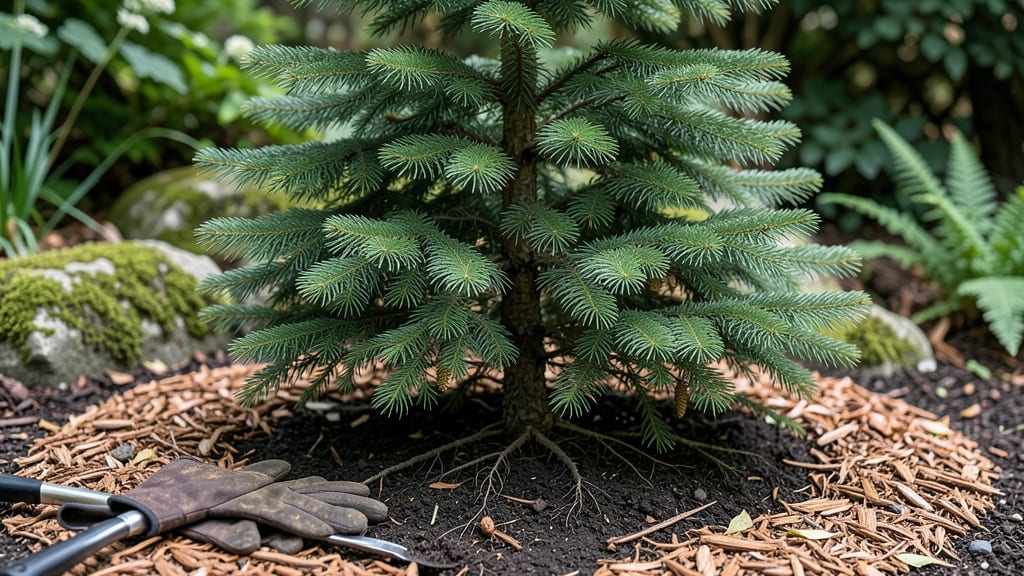
Caring for a hemlock tree means keeping it lush and disease-resistant year after year—no small feat when you’re dealing with a tree that thrives on patience and precision. 🌲 I’ve learned the hard way that hemlocks don’t respond well to aggressive pruning, but with the right approach, you’ll end up with a tree that stays healthy, vibrant, and full of life for decades.
The key is understanding when and how to prune, whether you’re working with an Eastern hemlock’s delicate needles or a Western hemlock’s slightly tougher structure.
The secret to success starts with soil, sunlight, and timing. Hemlocks prefer dappled shade—they’ll tolerate full shade but grow best with morning sun and afternoon relief. Their soil should be moist but well-draining, and a thick layer of mulch helps retain moisture while protecting roots.
Water deeply once a week during dry spells, but avoid soggy soil, which can lead to root rot. This is where many gardeners go wrong—they either overwater or prune at the wrong time, setting their tree up for stress.
When it comes to pruning, less is more. Focus on removing only dead, diseased, or crossing branches—never more than 25% of the tree’s foliage in a single session. The best time to prune is late winter or early spring, just as new growth begins.
You’ll see the difference in just a few months: fewer brown needles, stronger branches, and a tree that looks like it’s been pampered. For advanced gardeners, strategic thinning opens up the canopy, improving airflow and reducing the risk of fungal issues.
Hemlocks are forgiving if you give them the right care, but they won’t tolerate neglect. Whether you’re dealing with an Eastern or Western variety, the principles stay the same—patience, proper pruning, and consistent moisture.
With these basics down, your hemlock will reward you with year-round greenery, a soothing presence in any landscape, and a tree that stands the test of time.
📚 In This Guide
- What you need
- Instructions
- Tips and common mistakes
- Wrapping up and next steps
What you need
- ● Pruning Shears: Bypass pruners (sharp, 6–8" blades) for small branches.
- ● Loppers: 1–2 pairs (10–14" blades) for medium-sized branches (up to 2" thick).
- ● Pruning Saw: Curved-tooth saw for thick branches (2–4" diameter).
- ● Extension Pole: 6–10 ft pole saw or pruners for high branches.
- ● Gloves: Heavy-duty, cut-resistant gloves (e.g., Mechanix or similar).
- ● Disinfectant: 70% isopropyl alcohol or 10% bleach solution (for sterilizing tools).
- ○ Tree Wound Sealant: (Optional) Pruning sealant for large cuts (follow label instructions).
- ● Tarp or Drop Cloth: To catch debris during cleanup.
- ● Safety Gear: Safety glasses, long sleeves, and closed-toe shoes.
- ● Fungicide: Copper-based or neem oil spray for disease prevention (e.g., Bonide Copper Fungicide).
- ● Mulch: 2–4" layer of organic mulch (wood chips or pine straw) for soil health.
- ● Soil Moisture Meter: To monitor hydration levels during dry spells.
- ● Tree Stake & Ties: For young or newly planted hemlocks needing support.
- ● Ladder: Sturdy, extendable ladder (if branches are >10 ft high).
Step-by-step pruning guide for hemlock trees
Pruning hemlocks year-round keeps them healthy, dense, and resistant to disease—here’s how to do it right.
🌿 Step 1: Identify the Right Time for Each Pruning Session
Hemlocks respond best to three key pruning windows: late winter (before buds swell), early summer (after new growth hardens), and light maintenance in fall. Late winter is ideal for structural pruning—removing dead, crossing, or weak branches—because the tree isn’t actively growing, so it recovers faster. Early summer is perfect for thinning the canopy to improve airflow, which prevents fungal issues like needle blight.
Skip heavy pruning in fall, but you can do light cleanup to remove diseased or storm-damaged branches. Hemlocks are evergreens, so they don’t go dormant, meaning they’re always vulnerable to stress. Prune only when temperatures are stable—above 40°F—to avoid shocking the tree. If you must prune in winter, do it on a mild day when the ground isn’t frozen.
✂️ Step 2: Remove Dead, Diseased, or Crowded Branches First
Start with sanitation pruning: cut out any branches that are dead, diseased, or rubbing against others. Use clean, sharp bypass pruners to make cuts just outside the branch collar—the swollen area where the branch meets the trunk. Hemlocks are prone to Hemlock Woolly Adelgid, a sap-sucking pest, so inspect branches closely for white, cottony clusters. Remove infested branches immediately and dispose of them in sealed bags.
Next, thin the canopy by removing up to 25% of the live branches to improve light penetration and airflow. Focus on branches growing inward or upward—these compete with stronger, outward-growing branches. You’ll see a denser, more open crown within a season. Avoid topping (cutting the main leader) unless the tree is severely damaged, as this encourages weak, spindly growth.
☀️ Step 3: Shape the Tree for Balance and Airflow
Hemlocks naturally grow in a pyramidal shape, so prune to maintain that form while encouraging outward growth. Start at the outer edges of the tree and work inward, removing branches that disrupt the natural silhouette. Use loppers for branches thicker than 1 inch and a pruning saw for larger limbs. Always make cuts at a 45-degree angle just outside the branch collar to prevent water from pooling and rotting the wound.
Pay special attention to the lower branches—while you might be tempted to remove them for a "cleaner" look, hemlocks rely on lower foliage for stability and density. Instead, thin them out rather than cutting them entirely. After pruning, step back and check the tree’s balance. If one side looks heavier, adjust by removing a few more branches from that side. Hemlocks recover well, but never remove more than 25% of the foliage in one season—this stresses the tree and invites pests.
💧 Step 4: Post-Pruning Care for Faster Recovery
Water the tree deeply after pruning to help it recover, especially if the weather is dry. Hemlocks have shallow roots, so 1-2 inches of water per week (including rainfall) keeps them thriving. Apply a 2-3 inch layer of mulch around the base, keeping it 6 inches away from the trunk to prevent rot. Organic mulch like shredded bark also helps retain moisture and regulates soil temperature.
Monitor the tree for new growth in the following weeks—healthy hemlocks will sprout fresh needles within 4-6 weeks of pruning. If you notice yellowing needles, wilting, or excessive sap, it could signal stress or pest activity. In that case, apply a balanced, slow-release fertilizer in early spring to support recovery. Avoid heavy fertilizers, which can burn hemlock roots—stick to low-nitrogen, high-phosphorus blends for best results.
Tips & tricks for perfect hemlock tree pruning
These expert strategies will help you maintain your hemlock's health while preventing common pruning mistakes that can stress the tree.
Timing is Everything: The late winter window (before buds swell) is your best opportunity for structural pruning because the tree isn't actively growing yet. This gives it time to recover before spring growth begins. I always schedule my winter pruning for days when temperatures are consistently above 40°F—this prevents shock to the evergreen's sensitive foliage. For early summer pruning, wait until new growth has hardened off (about 4-6 weeks after bud break) to avoid encouraging soft, vulnerable new shoots.
Tool Precision Matters: Using the wrong tool can damage the tree more than help it. For branches thicker than 1 inch, loppers create cleaner cuts than hand pruners, and a pruning saw handles larger limbs without tearing. Here's my secret: always sharpen your tools before starting—dull blades crush rather than cut cleanly, which tears bark and invites infection. I keep a small file in my pruning kit to touch up edges between sessions. For the branch collar, make your cut just outside that swollen area—this helps the wound seal properly and prevents water from pooling.
Pest Prevention Strategy: Hemlock Woolly Adelgid is the silent killer of these trees, so vigilance is key. Before you start pruning, do a thorough inspection of the branches—look for those telltale white, cottony clusters along the undersides of needles. If you find any, remove those branches immediately and dispose of them in sealed plastic bags (don't compost them!). For severe infestations, consider applying horticultural oil treatments in early spring before new growth appears. I've saved multiple trees by catching adelgid early and combining pruning with targeted treatments.
Post-Pruning Recovery Plan: The work doesn't end when you put down your pruners. After finishing, give your hemlock a deep watering that penetrates at least 12 inches into the soil—these trees have shallow roots that need consistent moisture. I always check the soil moisture by sticking my finger in about 2 inches deep; if it feels dry, that's when I water. Then apply a 2-3 inch layer of organic mulch, keeping it clear of the trunk. This mulch blanket helps regulate soil temperature and retain moisture, which is especially important during the tree's recovery period. Monitor for new growth in 4-6 weeks—healthy needles should appear vibrant and firm, not yellow or wilted.
Pro Tips for Hemlock Tree Care
- These expert strategies will help you maintain your hemlock's health while preventing common pruning mistakes that can stress the tree.
- Timing is Everything: The late winter window (before buds swell) is your best opportunity for structural pruning because the tree isn't actively growing yet.
- Tool Precision Matters: Using the wrong tool can damage the tree more than help it.
Frequently asked questions
Got questions about keeping your hemlock trees thriving?
You’re not alone—these evergreens are stunning but need the right care. Here are answers to the most common concerns, from pruning tips to pest worries, so you can keep your hemlocks lush and healthy year-round.
When is the best time to prune a hemlock tree?
Prune hemlocks late winter to early spring (February–March) before new growth starts. This timing minimizes stress and disease risk. Avoid heavy pruning in fall—it can leave wounds vulnerable to pests. Light shaping in summer is fine, but stick to major cuts in dormancy.
How do I tell if my hemlock has a pest problem?
Watch for webbing, sawdust-like frass, or yellowing needles—signs of spider mites, hemlock woolly adelgid (HWA), or bark beetles. Inspect branches closely (use a magnifying glass if needed). Early action with horticultural oil or insecticidal soap can save your tree. Learn more about HWA treatment in our guide.
Can I prune hemlocks too much?
Yes! Over-pruning stresses hemlocks, leading to stunted growth or dieback. Never remove more than 25% of the canopy in one year. Focus on thinning crowded branches and removing dead wood. Pro tip: Use sharp, clean tools to prevent tearing bark.
Are there disease-resistant hemlock varieties?
While no hemlock is 100% disease-proof, Eastern hemlock (Tsuga canadensis) and Carolina hemlock (Tsuga caroliniana) are more resilient to HWA than Western hemlocks. For tougher options, consider ‘Gentsch’ or ‘Sargentii’ cultivars, bred for better pest resistance.
What’s the fastest way to revive a struggling hemlock?
Start with proper watering (deep, infrequent soaks) and a balanced fertilizer (10-10-10) in early spring. Remove diseased or dead branches to improve airflow. If pests are the issue, neem oil or systemic insecticides (applied per label) can help. Monitor progress monthly!
Wrapping up and next steps
Caring for your hemlock tree doesn’t have to be overwhelming—with the right techniques, you can keep it thriving year-round! 🌲 From seasonal pruning to vigilant disease monitoring, small, consistent efforts yield big rewards: healthier foliage, stronger growth, and a stunning landscape centerpiece.
Whether you’re a first-time pruner or a seasoned pro, your dedication will pay off in a lush, resilient tree that stands the test of time.
Ready to take the next step? Grab your tools, mark your calendar for seasonal check-ins, and watch your hemlock flourish. Your green thumb is about to shine!