
Pruning
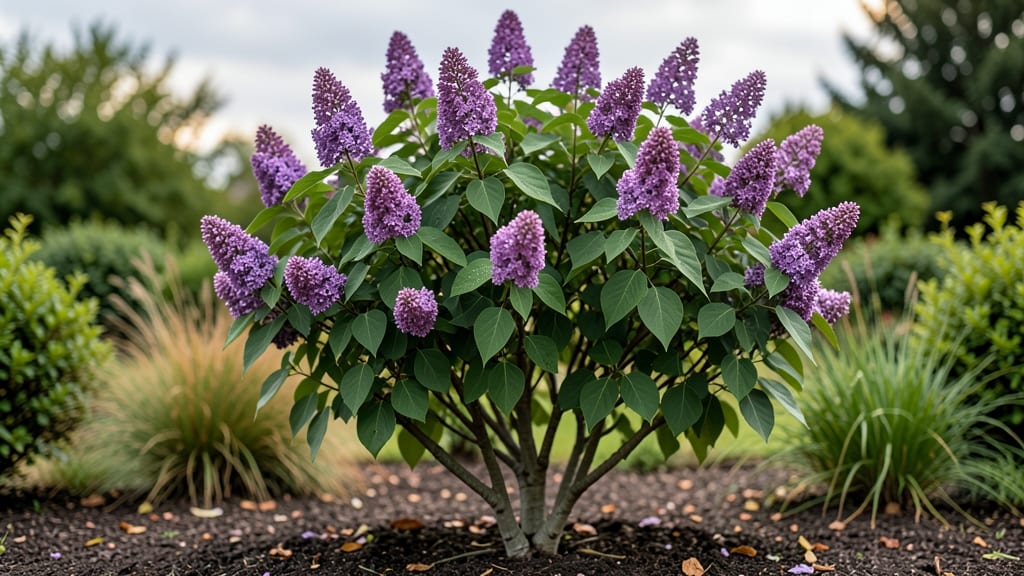
Your purple lilac tree isn’t just a shrub—it’s the showstopper of spring, with fragrant blooms that turn heads and fill the air with nostalgia. ✨ I’ve pruned mine for years, and the secret to longer, more vibrant blooms isn’t complicated: it’s all about timing and a few strategic cuts that keep the energy focused on those stunning purple clusters.
The best part? A well-pruned lilac becomes the focal point of your garden, whether it’s lining a driveway, anchoring a border, or standing alone as a dramatic centerpiece.
Pair it with silver foliage plants like lamb’s ear or dusty miller to make the purple pop even more, or add creamy white blooms like peonies for a soft contrast that feels like a hug.
You’ll notice the difference immediately—thicker blooms, longer seasons, and that jealousy-worthy garden moment when neighbors stop to admire your purple cloud of fragrance. The key is working with the tree’s natural shape, not against it, so every cut feels intentional and every bloom feels like a reward.
This works for any lilac variety, whether you’ve got French lavender lilacs, common lilacs, or those rare deep purples that feel like a secret. Let’s make your tree the star it’s meant to be!
📚 In This Guide
- What you need
- Instructions
- Tips and common mistakes
- Wrapping up and next steps
What you need
- ● Pruning shears: Bypass pruners (sharp, clean, and capable of cutting ¼-inch stems). Pro tip: Disinfect blades with rubbing alcohol to prevent disease spread! 💡
- ● Loppers: For thicker branches (½-inch to 1-inch diameter). Look for bypass-style loppers for cleaner cuts.
- ● Hand saw: A pruning saw with a curved blade for branches over 1-inch thick.
- ● Gloves: Heavy-duty gardening gloves to protect against thorns and sap.
- ○ Pruning sealant (optional but recommended): A high-quality sealant like Tanglefoot Tree Wound Pruning Sealer to coat larger cuts (over ½-inch).
- ● Disposable pruning bags or bucket: To collect and dispose of clippings (1–2 gallon size).
- ● Ladder or step stool: If your lilac tree is over 6 feet tall, ensure it’s sturdy and safe to use!
- ● Notebook & pencil: To sketch a quick map of your tree’s structure before pruning.
- ● Tree paint: For sealing larger cuts if you skip sealant (e.g., Tree Seal brand).
- ● Rake or leaf blower: To clean up debris after pruning.
- ● Pruning saw oil: To keep your tools in top shape between uses.
- ● Camera or phone: Capture before/after shots of your lilac’s transformation! 📸
Step-by-Step guide to pruning your lilac tree for vibrant purple blooms
Here's how I revive my lilacs year after year—this method keeps them blooming longer and more intensely.
✂️ Step 1: Time Your Pruning for Maximum Purple Impact
Prune your lilac tree immediately after it finishes blooming—never cut back in fall or winter. The ideal time is when 50% of the purple flowers have dropped, usually 4-6 weeks after peak bloom. This gives the tree time to develop next year's flower buds on the new growth.
I know it seems counterintuitive to cut after blooming, but lilacs bloom on last year's growth. If you prune at the wrong time, you'll remove next season's flowers entirely. Mark your calendar now—this timing is everything for those stunning purple shows.
✂️ Step 2: Remove Only Dead, Weak, or Crowded Wood
Start by cutting out any branches that are dead, diseased, or crossing—these compete with healthy growth. Make your cuts just above a leaf bud or outward-facing growth point. I use sharp bypass pruners to make clean cuts that heal faster.
For crowded branches, remove every other stem to improve airflow. Thin the center of the tree first—this prevents fungal issues that turn your purple blooms into brown mush. Never remove more than one-third of the tree's total branches in a single year.
✂️ Step 3: Shape for Better Bloom Exposure
Step back and look at your tree's natural shape. Lilacs grow best with an open, vase-like form that lets sunlight reach all branches. Cut back the longest branches by one-third to one-half to encourage bushier growth and more flower clusters.
Focus on the outer third of each branch—this prevents a bare center. I like to leave some branches longer for visual interest, but never let any branch grow more than 3 feet longer than the rest. This keeps the purple blooms evenly distributed.
⏰ Step 4: Post-Pruning Care for Strong Recovery
Water deeply right after pruning to help the tree recover. Spread a 2-3 inch layer of mulch around the base (but not touching the trunk) to retain moisture. I add a balanced fertilizer with equal parts nitrogen, phosphorus, and potassium to encourage new growth.
Watch for new shoots emerging from the base—these are your tree's way of compensating for the pruning. If you see any suckers growing from the roots, remove them immediately. They drain energy from your main tree and reduce next year's purple blooms.
🌱 Step 5: Annual Maintenance for Long-Term Purple Perfection
After the first year of heavy pruning, switch to light maintenance cuts. Remove only 5-10% of the tree's branches annually to keep it healthy. I do a quick inspection every spring to clean up any dead wood and shape lightly.
Lilacs naturally decline after 10-15 years, but proper pruning extends their lifespan. If your tree stops blooming well, it might be time to replace it—some varieties just lose their vigor. But with this method, you'll get those show-stopping purple blooms for years to come.
Tips & tricks for perfect lilac tree pruning
The secret to those jaw-dropping purple blooms lies in these pruning details that most gardeners overlook.
Timing is Everything: That 4-6 week window after peak bloom is non-negotiable for lilacs. I've seen gardeners cut too early and end up with sparse blooms the next season. Mark your calendar when you notice 50% of flowers have dropped—this is your cue. Pro tip: If you miss this window, wait until next year's blooming season to prune lightly, but don't expect the same vibrant purple show.
Pruning Technique Matters: When shaping branches in Step 3, make your cuts at a 45-degree angle just above a leaf bud. This angled cut prevents water from pooling and causing rot. I always test my pruners on a small branch first—dull blades tear wood instead of making clean cuts. For thick branches over 1 inch, use a pruning saw to avoid crushing the branch.
Post-Pruning Recovery: The 2-3 inch mulch layer in Step 4 isn't just decoration—it's crucial for moisture retention. I've learned the hard way that mulch should never touch the trunk (it causes rot). After pruning, I always water deeply to help the tree recover, especially during hot summer months. This step makes all the difference in next year's purple bloom intensity.
Pro Tips for Lilac Tree Purple
- The secret to those jaw-dropping purple blooms lies in these pruning details that most gardeners overlook.
- Timing is Everything: That 4-6 week window after peak bloom is non-negotiable for lilacs.
- Pruning Technique Matters: When shaping branches in Step 3, make your cuts at a 45-degree angle just above a leaf bud.
Frequently asked questions
Got questions about keeping your lilac tree purple and blooming beautifully? Here are some common ones—and their answers—to help you prune like a pro!
When is the best time to prune my lilac tree for purple blooms?
Prune your lilac tree right after it finishes flowering—usually in late spring or early summer. This timing ensures you don’t cut off next year’s blooms, which form on old wood. Avoid pruning in fall or winter, as lilacs need time to prepare for spring growth.
How much can I trim my lilac tree without harming it?
Never remove more than one-third of the tree’s total growth in a single pruning session. For mature lilacs, focus on thinning out crowded branches and shaping rather than heavy cuts. Over-pruning can stress the tree and reduce future blooms.
Why are my lilac blooms fading to green or brown instead of staying purple?
Fading purple blooms often signal stress or disease. Check for pests like aphids, fungal infections (like powdery mildew), or nutrient deficiencies (like lack of phosphorus). Improve airflow, water deeply, and fertilize with a balanced formula to revive vibrant purple blooms.
Can I prune my lilac tree in early spring before it blooms?
Pruning in early spring risks cutting off flower buds that form on old wood. If you must prune early, limit cuts to removing dead or damaged branches. Wait until after blooming for the best results—this ensures your lilac’s signature purple show returns stronger next year.
Are there alternatives to pruning if my lilac tree isn’t blooming well?
If pruning isn’t enough, try these fixes:
- Fertilize: Use a low-nitrogen, high-phosphorus fertilizer (like 5-10-10) in early spring.
- Water deeply: Lilacs need 1–2 inches of water weekly, especially during dry spells.
- Mulch: Apply 2–3 inches of mulch around the base to retain moisture and regulate soil temperature.
- Check sunlight: Lilacs thrive in full sun (6+ hours/day)—move it if shaded by new growth.
Wrapping up and next steps
Your lilac tree’s purple bloom revival is well within reach—just follow the right pruning steps! By timing cuts correctly, using sharp tools, and removing spent flowers, you’ll extend those fragrant blooms and keep your tree thriving for years. Start small if you’re new, and soon you’ll be a lilac-pruning pro!
Ready to transform your garden? Grab those shears and schedule your first pruning session this spring! 🌸✂️