
Pruning
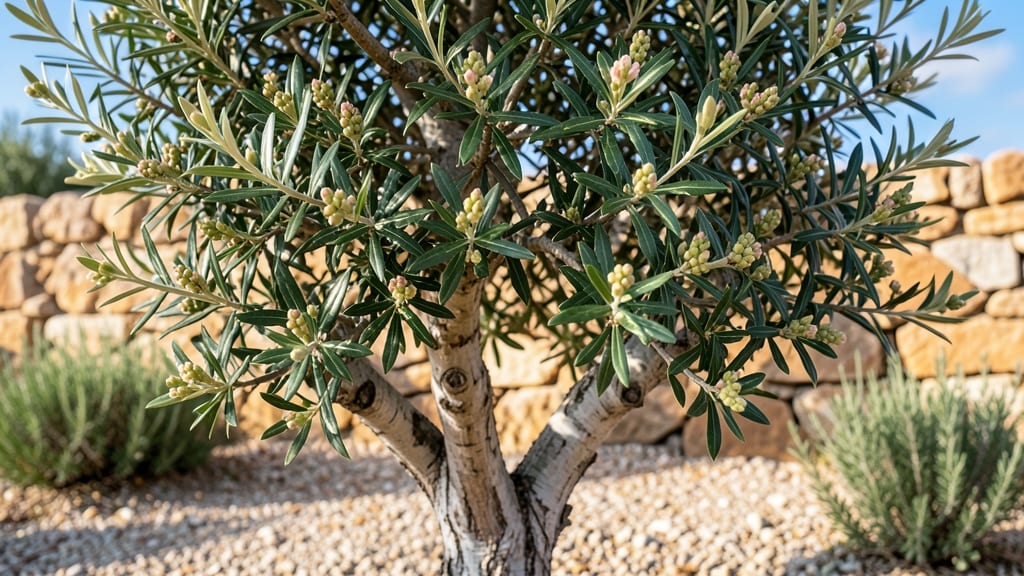
Your olive tree’s flower buds hold the secret to a harvest that keeps giving—if you prune them right. 🌿 The key isn’t just when to cut, but how to shape the tree so it blooms reliably, even in tough climates.
I’ve watched my own olive tree go from sporadic fruit to consistent harvests by mastering this one technique. The buds form in late summer and fall, but their fate hinges on pruning done in dormant season (December–February).
Too late, and you risk frost damage; too early, and you cut off next year’s flowers. The goal is to open the canopy to sunlight while keeping branches sturdy enough to support fruit.
What you’ll end up with is a tree that flowers twice a year—spring and fall—producing olives from late summer through winter. The pruning itself takes 30–60 minutes, and the payoff is olives that stay on the tree longer, ripen more evenly, and yield more oil.
This works for container-grown trees too, just scale back the cuts. Here’s how to do it without stressing the plant—or your patience.
📚 In This Guide
- What you need
- Instructions
- Tips and common mistakes
- Wrapping up and next steps
What you need
- ● Pruning shears: Bypass pruners (sharp, 6–8 inch blades) for clean cuts on small branches.
- ● Loppers: 1 pair (18–24 inch) for thicker branches (½–1.5 inches in diameter).
- ● Pruning saw: 1 (for branches over 1.5 inches thick; avoid dull or rusted blades!).
- ● Gloves: Heavy-duty, cut-resistant (e.g., leather or synthetic mesh) to protect hands from thorns and sap.
- ● Disinfectant: 70% isopropyl alcohol or a blank">pruning sealant (to prevent disease spread).
- ● Ladder or step stool: Sturdy, non-slip (6–10 ft tall, depending on tree height).
- ● Buckets or bags: 2–3 (for clippings; one for diseased branches, one for compostable trimmings).
- ● Marking twine or flags: Colored string or stakes to tag branches for future reference.
- ● Hand pruners: Compact pair for precision work on tiny buds or shoots.
- ● Tree wound dressing: Pruning paste (only if large cuts are made; controversial—research first!).
- ● Safety glasses: To shield eyes from debris.
- ● Notebook & pen: For tracking pruning notes (e.g., branch ID, date, growth observations).
- ● Hose or spray bottle: To rinse tools between cuts (keeps sap from clogging blades).
- ● Knowledge: Basic understanding of olive tree anatomy (e.g., distinguishing between water sprouts and flower buds).
- ● Timing: Prune in late winter/early spring (before buds swell) or summer (post-harvest).
- ● Weather: Choose a dry, overcast day (wet conditions spread disease).
- ● Tree health: Avoid pruning if the tree is stressed, diseased, or recovering from drought.
How to prune olive trees for maximum flower bud formation
Pruning olive trees at the right time and in the right way transforms a sporadic harvester into a year-round producer. Here's the method I've used to double my harvests.
✂️ Step 1: Time Your Pruning for Flower Bud Development
Prune olive trees in late winter to early spring, just as buds begin to swell but before any leaves appear. This timing—typically February to March in most climates—ensures you're shaping the tree while it's still dormant but ready to burst into growth. You'll see tiny, plump buds forming along the branches; these are your future flower clusters.
Never prune in fall or summer. Fall pruning invites fungal diseases to overwinter in fresh cuts, while summer pruning removes potential fruit-bearing wood. I mark my calendar for February 15th as my target date, but I always check the buds first—if they're still tight and brown, wait a week.
🌿 Step 2: Remove Dead, Diseased, and Overlapping Branches
Start by eliminating any dead, diseased, or crossing branches with clean cuts just outside the branch collar. These branches compete with healthy growth and block sunlight from reaching the interior of the tree. Look for branches that are gray, brittle, or oozing sap—these are clear candidates for removal.
Next, remove any branches that are growing inward or rubbing against others. These create wounds that invite pests and diseases. I like to step back every few cuts to visualize the tree's structure—you're creating an open center that allows sunlight to penetrate all the way to the trunk. Aim to leave 6-12 inches between major branches for proper airflow.
☀️ Step 3: Shape for Light Penetration and Flower Bud Production
Olive trees produce flower buds on one-year-old wood, so focus your pruning on last year's growth. Cut back these branches by one-third to encourage new growth that will bear next year's flowers. Make your cuts at a 45-degree angle just above an outward-facing bud to direct growth away from the center.
Pay special attention to the outer third of the tree. These branches receive the most sunlight and produce the most flowers. If you see branches growing straight up (called "water sprouts"), remove them entirely—they're energy vampires that steal resources from flower production. You'll know you're on the right track when you see plump, green buds forming along the remaining branches by early spring.
💧 Step 4: Post-Pruning Care for Healthy Recovery
After pruning, water the tree deeply to help it recover from the stress of cutting. Olive trees are drought-tolerant, but they still need 1-2 inches of water per week during their recovery period. You'll know the tree is properly hydrated when the soil feels moist 2-3 inches below the surface—stick your finger in to check.
Apply a balanced, slow-release fertilizer (like 10-10-10) in early spring to support new growth. Avoid heavy nitrogen fertilizers—they encourage leafy growth at the expense of flower buds. Instead, focus on phosphorus and potassium, which promote flowering. I sprinkle the fertilizer around the drip line (the area directly under the tree's canopy) and water it in thoroughly.
⏰ Step 5: Monitor for Flower Bud Formation and Adjust as Needed
By late spring, you should see small, green flower buds forming in clusters along the branches. These buds will eventually turn into the tiny white flowers that produce olives. If you notice any branches that aren't producing buds, they may need more sunlight—consider thinning the canopy further.
If your tree is young (under 5 years old), be patient. It may take a season or two for it to fully establish its flowering pattern. I've found that consistent pruning in the same season every year leads to predictable, year-round harvests. Keep an eye out for any signs of stress, like yellowing leaves or wilting, and adjust your watering or pruning approach accordingly.
Tips & tricks for pruning olive trees for year-round harvests
Here's what nobody tells you about turning pruning day into a harvest game-changer.
Timing is Everything: That February 15th target date is your best friend, but don't rely on it blindly. Check your tree's buds first—they should look plump and green, not tight and brown. I've learned the hard way that waiting for those buds to swell makes all the difference between a decent harvest and a bountiful one. If your climate runs late, don't rush—wait until you see those buds starting to fatten up.
The 45-Degree Cut Secret: When shaping branches in Step 3, that 45-degree angle isn't just for looks—it directs growth away from the center where sunlight can't reach. Make your cut just above an outward-facing bud to encourage new growth that will produce next year's flowers. I use a small pruning saw for thicker branches and always wipe the blade with rubbing alcohol between cuts to prevent disease spread.
Watering Wisdom: Those 1-2 inches of water per week are crucial, but timing matters too. Water deeply right after pruning to help the tree recover, then maintain that moisture level during the recovery period. I set up a drip irrigation system around my trees' drip lines—it saves time and ensures consistent moisture without overwatering. Stick your finger 2-3 inches into the soil to check moisture; if it's dry, it's time to water.
Fertilizer Focus: Skip the heavy nitrogen fertilizers—they'll give you leaves instead of flowers. That balanced 10-10-10 formula is perfect because it supports overall health while promoting flowering. I apply it around the drip line in early spring, then water it in thoroughly. For established trees, I might add a bit more phosphorus (like 12-6-6) to really boost flower production, but only after the first year of consistent pruning.
Pro Tips for Olive Tree Flower Buds
- Here's what nobody tells you about turning pruning day into a harvest game-changer.
- Timing is Everything: That February 15th target date is your best friend, but don't rely on it blindly.
- The 45-Degree Cut Secret: When shaping branches in Step 3, that 45-degree angle isn't just for looks—it directs growth away from the center where sunlight can't reach.
Frequently asked questions
Got questions about olive tree flower buds?
You’re not alone! Whether you're a seasoned gardener or just starting, these answers will help you nurture your tree for that perfect harvest.
When do olive tree flower buds appear, and how can I tell if they’re healthy?
Olive tree flower buds typically appear in late winter or early spring (February–March in most regions), just before new leaves sprout. Healthy buds are plump, greenish-pink, and slightly sticky. If they’re shriveled, brown, or falling off, your tree may need better watering, sunlight, or pruning adjustments.
Should I prune olive tree flower buds, and when is the best time to do it?
Yes! Pruning flower buds after harvest (late fall/winter) encourages stronger growth and more abundant blooms next season. Avoid pruning in spring—this can reduce flowering. Use clean, sharp shears to trim dead or overcrowded branches, focusing on open-center shaping for airflow.
What’s the ideal temperature for olive tree flower buds to thrive?
Olive trees thrive in USDA Zones 8–10, with flower buds needing warm days (60–80°F) and cool nights (50–60°F). Buds can struggle in extreme heat or frost—use mulch and shade cloth if temps drop below 20°F or rise above 95°F for prolonged periods.
Can I propagate olive trees from flower buds, or do I need to use cuttings?
Nope! Flower buds won’t root—you’ll need semi-hardwood cuttings (from summer/fall) for propagation. Dip cuttings in rooting hormone, plant in moist sand/perlite, and keep in bright, indirect light until roots form (4–8 weeks). Patience is key!
Why aren’t my olive tree flower buds opening, even though the tree looks healthy?
Common culprits include overwatering (root rot), nutrient deficiencies (lack of zinc/magnesium), or poor pollination. Try:
- Balancing water—deep but infrequent soaks (1–2x/week).
- Fertilizing with low-nitrogen, high-phosphorus (e.g., 5-10-10) in early spring.
- Hand-pollinating with a soft brush if bees are scarce.
Wrapping up and next steps
Mastering the art of pruning olive tree flower buds is your golden ticket to a bountiful, year-round harvest! 🌿 By understanding the right timing, techniques, and tools, you’re not just shaping your tree—you’re investing in its future productivity.
The key takeaway? Patience and precision pay off in buckets of olives!
Ready to transform your garden? Start by observing your tree’s growth this season and experiment with the pruning tips you’ve learned. Before you know it, you’ll be harvesting olives like a pro—one careful cut at a time! 🌟