
Blooming
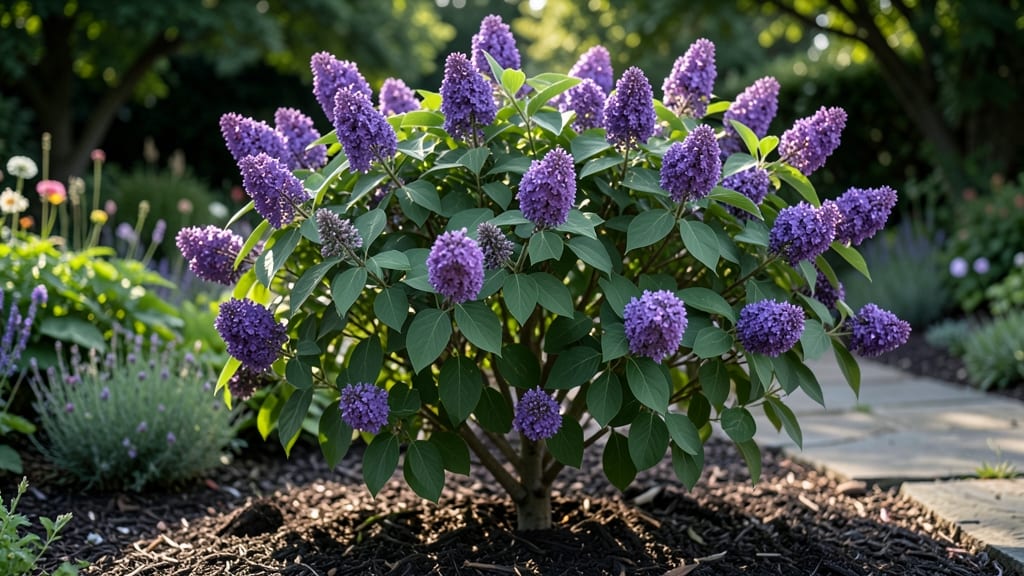
Your garden deserves a bloomerang dark purple lilac tree form that steals the show without stealing space. 🌿 This compact powerhouse packs year-round fragrance into a tidy 6-foot frame, making it perfect for small yards, urban gardens, and even container plantings.
Unlike traditional lilacs that sprawl, this variety grows in a neat, rounded shape that fits snugly into borders or as a striking focal point.
The deep purple blooms create a stunning contrast against spring greenery, while the fragrant flowers linger even after petals fall—leaving behind delicate seed pods that add winter interest. It’s the kind of plant that makes neighbors pause and ask, "What’s that?" before realizing they’ve never seen a lilac this compact.
The growth habit is predictable, so you won’t end up with an overgrown mess that blocks walkways or crowds out other plants.
Pair it with silver foliage plants like lamb’s ear or lavender for color contrast, or let it shine solo as a standalone specimen near patios or entryways.
The scent alone—sweet, intoxicating, and long-lasting—makes it worth the space. Once planted, it requires minimal fuss, just occasional pruning to maintain its shape and encourage even more blooms.
This isn’t just another pretty face—it’s a low-maintenance star that delivers drama without the upkeep. Whether you’re designing a cottage garden, a modern landscape, or a cozy courtyard, the Bloomerang dark purple lilac tree form fits right in. Let’s talk placement and pairing ideas next!
📚 In This Guide
- What you need
- Instructions
- Tips and common mistakes
- Wrapping up and next steps
What you need
- ● Bloomerang Dark Purple Lilac Tree: 1 mature tree (3–5 ft tall) or 1–2 young saplings (1–2 ft tall) from a reputable nursery.
- ● Planting Hole: Twice as wide as the root ball, with loose, well-draining soil.
- ● Compost or Organic Matter: 5–10 gallons (for amending soil).
- ● Mulch: 2–3 inches of shredded bark or wood chips (keep 6 inches away from the trunk).
- ● Watering Can or Hose: With a gentle spray nozzle for post-planting hydration.
- ● Gloves & Pruning Shears: Sharp, sterilized shears (for shaping or initial trimming).
- ○ Staking (Optional but Helpful): 2–3 stakes + soft ties if planting in windy areas.
- ● Soil pH Test Kit: Lilacs thrive in slightly alkaline soil (pH 6.0–7.0).
- ● Slow-Release Fertilizer: 10-10-10 formula (sprinkle lightly around the base after planting).
- ● Tree Guard or Protective Barrier: To shield the trunk from lawn equipment.
- ○ Drip Irrigation System (Optional): For consistent moisture in dry climates.
- ● Lilac-Specific Pruning Guide: Printed or digital reference for year-round care.
How to plant and care for a Bloomerang dark purple lilac tree
This stunning compact lilac delivers year-round fragrance with minimal space—here's how to make it thrive.
🌱 Step 1: Select the Perfect Planting Site
Choose a location with full sun exposure (6-8 hours daily)—this variety blooms best when it gets plenty of light. The Bloomerang form grows 6-8 feet tall and wide, so plant it where it has room to spread without crowding other plants. I always check the mature size first to avoid future pruning headaches.
This lilac tolerates a range of soil types but prefers well-draining soil with a slightly acidic to neutral pH (6.0-7.0). If your soil is heavy clay, amend it with 2-3 inches of compost mixed into the top 12 inches. The roots need room to establish without sitting in soggy conditions—waterlogged soil is the fastest way to kill these beauties.
🪴 Step 2: Plant at the Right Depth and Time
Plant your Bloomerang lilac in early spring or fall when temperatures are mild. Spring planting gives roots time to establish before summer heat, while fall planting avoids winter stress. Dig a hole twice as wide but no deeper than the root ball—this encourages outward root growth instead of downward.
Remove the plant from its container and gently loosen any circling roots with your fingers. Place it in the hole so the top of the root ball sits 1 inch above ground level. Backfill with native soil, tamping lightly every 2 inches to eliminate air pockets. Water deeply immediately after planting to settle the soil around the roots.
☀️ Step 3: Establish Proper Watering and Mulching
Water newly planted lilacs deeply once a week for the first 2 months, providing 1-1.5 inches of water per week. You'll know you're doing it right when water runs out the drainage holes and the soil feels moist 6 inches deep. Overwatering causes root rot, while underwatering stresses the plant during critical establishment.
Apply 2-3 inches of mulch around the base, keeping it 3 inches away from the trunk to prevent rot. I use shredded bark mulch because it breaks down slowly and improves soil structure over time. Replenish mulch annually to maintain this protective layer—it conserves moisture, regulates soil temperature, and suppresses weeds.
✂️ Step 4: Prune for Health and Abundant Blooms
Prune your Bloomerang lilac immediately after flowering (late spring) to encourage next year's blooms. Remove any dead, diseased, or crossing branches first—this improves airflow and prevents fungal issues. Then cut back 1/3 of the oldest stems to the ground to rejuvenate the plant and stimulate new growth.
For shaping, make cuts just above a outward-facing bud or branch. Avoid "heading back" (cutting into old wood)—this variety blooms on both old and new wood, so harsh pruning reduces next year's flowers. I always step back to check the overall shape after pruning; the goal is to maintain that compact form while keeping the center open for airflow.
🌿 Step 5: Maintain Year-Round Care
Lilacs need minimal fertilizer—too much nitrogen produces lots of foliage but few flowers. In early spring, apply ½ cup of 10-10-10 fertilizer around the drip line. Water it in immediately to prevent root burn. I skip fertilizer in years when the plant looks healthy, as these trees often thrive with just compost top-dressing.
Watch for common pests like aphids or scale on new growth. A strong spray of water usually dislodges them, but for stubborn infestations, use horticultural oil in early spring before buds open. The Dark Purple blooms are particularly fragrant, so I often harvest a few branches for bouquets—just leave some flowers on the plant to support next year's blooms.
Tips & tricks for perfect Bloomerang dark purple lilac tree form
These insider secrets will help your compact lilac thrive and reward you with stunning blooms year after year.
Sunlight Strategy: While the instructions mention 6-8 hours of daily sun, I've found that this variety actually performs best when positioned to catch the morning sun and afternoon shade in hotter climates. The delicate blooms can scorch in intense afternoon rays, especially during peak summer months. If you notice leaves curling or browning, it's a sign your lilac needs a little afternoon reprieve.
Soil Preparation Secret: The 2-3 inches of compost mixed into the top 12 inches of soil is non-negotiable for heavy clay soils, but I've discovered an even better approach for sandy soils. Mix in 25% coconut coir with your compost—it retains moisture better than straight compost while still improving drainage. This creates the perfect balance for those with fast-draining soils.
Watering Wisdom: That first 2-month watering schedule is critical, but here's what nobody tells you: the real test isn't just about quantity but timing. Water in the early morning so the foliage has all day to dry, preventing fungal diseases. I've seen many lilacs develop powdery mildew because people watered in the evening when humidity is highest.
Pruning Precision: When cutting back 1/3 of the oldest stems, I recommend using clean, sharp pruners and making your cuts at a 45-degree angle just above an outward-facing bud. This angle helps water run off the cut rather than pool on it, reducing disease risk. Also, avoid pruning when the plant is wet—wait until leaves are dry to prevent spreading any potential pathogens.
Pro Tips for Bloomerang Dark Purple Lilac Tree Form
- These insider secrets will help your compact lilac thrive and reward you with stunning blooms year after year.
- Sunlight Strategy: While the instructions mention 6-8 hours of daily sun, I've found that this variety actually performs best when positioned to catch the morning sun and afternoon shade in hotter climates.
- Soil Preparation Secret: The 2-3 inches of compost mixed into the top 12 inches of soil is non-negotiable for heavy clay soils, but I've discovered an even better approach for sandy soils.
Frequently asked questions
Got questions about the stunning Bloomerang Dark Purple Lilac Tree Form? You’re not alone! Here are answers to the most common queries to help you make the best choices for your garden or landscape.
How big does the Bloomerang Dark Purple Lilac Tree Form grow?
The Bloomerang Dark Purple Lilac Tree typically reaches 8–12 feet tall and 6–10 feet wide at maturity. Its compact, tree-like form makes it perfect for small yards, urban gardens, or as a fragrant focal point. Prune lightly after blooming to maintain its shape and encourage fuller growth.
When does this lilac bloom, and how long does it last?
This lilac blooms late spring to early summer, often in May or June, depending on your climate. The flowers last 2–3 weeks but rebloom later in the season (sometimes in fall) thanks to its "Bloomerang" trait. For best results, plant in full sun and well-draining soil.
Can I grow the Bloomerang Dark Purple Lilac in containers?
Yes! While it thrives in the ground, this lilac can be grown in large containers (at least 20+ gallons) for patios or balconies. Use a high-quality potting mix with good drainage, and repot every 2–3 years to prevent root binding. Just remember: container-grown lilacs may bloom slightly later.
Why aren’t my Bloomerang lilac flowers as fragrant as expected?
Fragrance can vary based on location, soil, and care. Ensure your lilac gets full sun (6+ hours daily) and well-draining soil. Over-fertilizing (especially with high nitrogen) can reduce fragrance—opt for a balanced, low-phosphorus fertilizer instead. Deadheading spent blooms also encourages stronger reblooming.
What’s the best alternative if I want a fragrant, compact tree?
If the Bloomerang isn’t available, consider these fragrant, tree-form alternatives:
- Dwarf Korean Lilac (Syringa meyeri) – Compact, highly fragrant, and cold-hardy.
- Fountain Lilac (Syringa ‘Miss Kim’) – Upright growth with clusters of purple blooms.
- Mock Orange (Philadelphus) – Intense fragrance, but not a true lilac.
Wrapping up and next steps
The Bloomerang Dark Purple Lilac isn’t just a tree—it’s a year-round celebration of fragrance and form, packed into a compact, low-maintenance package. Whether you’re drawn to its vibrant blooms, sweet scent, or versatile landscaping potential, this cultivar delivers beauty with ease.
Ready to transform your space? Start by gathering your supplies or reviewing key tips—then plant your way to a fragrant, purple paradise! 🌸✨