
How To
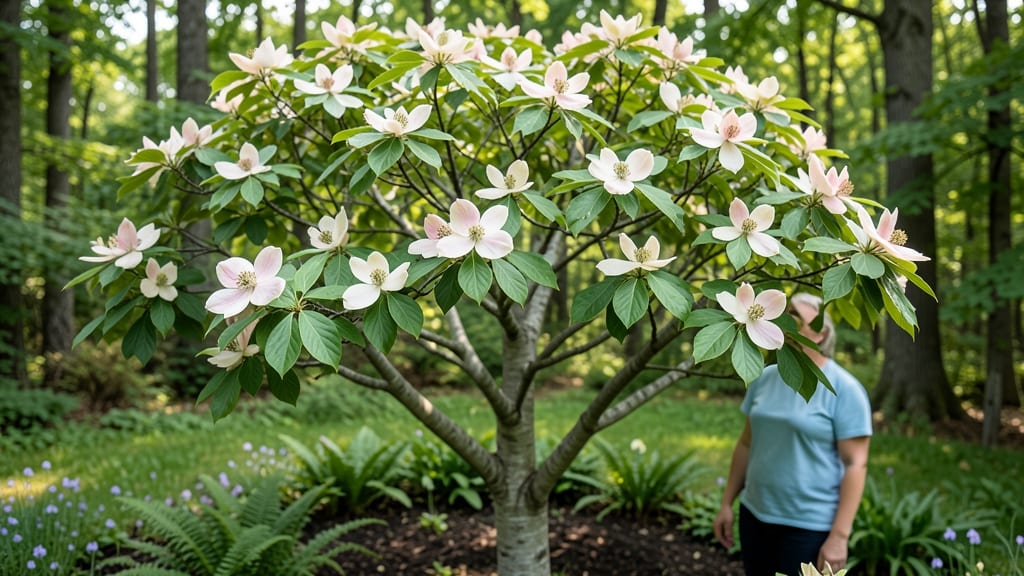
Dogwood trees grow anywhere from how tall does a dogwood tree grow—ranging from 8 feet to over 30 feet, depending on the variety you choose—so picking the right one for your space is everything.
Picture this: a 15-foot tree with show-stopping spring blooms and fiery fall foliage, only to realize it’s now blocking your patio. Or worse, planting a 30-foot giant in a 10-foot backyard.
The good news? With the right variety and a little care, you can have the perfect-sized dogwood 🌳 for your garden.
Some dogwoods, like the dwarf ‘Rotundifolia,’ stay under 12 feet, while others, like the Pacific Dogwood (Cornus nuttallii), reach towering heights of 30 feet or more. The difference comes down to species, sunlight, and pruning—but even the tallest varieties can be managed with the right approach.
Below, I’ll break down height ranges by variety, share pruning secrets to control growth, and help you pick the ideal dogwood for your yard—whether you want a compact accent tree or a stately shade provider.

Dogwood tree height ranges by variety: from dwarf to giant
Choosing the right dogwood variety means understanding their mature heights—some stay under 10 feet while others reach 30 feet. This range lets you pick the perfect fit for your yard, whether you need a privacy screen or a statement shade tree.
The key? Matching the variety to your space and sunlight conditions. Let’s break down the most popular dogwoods by height, including rare varieties like the Pacific Dogwood, so you can plan with confidence.
Dogwoods are prized for their spring blooms and vibrant fall foliage, but their height differences can drastically change your landscaping plans. For example, a dwarf variety like Cornus florida ‘Cherokee Brave’ fits cozy front yards, while a giant like Cornus nuttallii dominates large estates.
Below, we’ll compare their mature sizes, growth rates, and ideal conditions to help you visualize their place in your garden.
🌱
| Variety | Mature Height (ft) | Spread (ft) | Sunlight Needs | Growth Rate |
|---|---|---|---|---|
| Cornus florida ‘Cherokee Brave’ | 12–15 ft | 10–12 ft | Partial shade | Moderate |
| Cornus kousa ‘Milky Way’ | 15–20 ft | 12–15 ft | Full sun to partial shade | Slow to moderate |
| Cornus alternifolia ‘Argentea’ | 10–12 ft | 8–10 ft | Partial shade | Slow |
| Cornus florida ‘Rubra’ | 15–20 ft | 12–15 ft | Partial shade | Moderate |
| Cornus kousa ‘Siberian Pearl’ | 20–25 ft | 15–20 ft | Full sun | Moderate |
| Cornus nuttallii (Pacific Dogwood) | 30–40 ft | 20–30 ft | Partial shade | Fast |
| Cornus florida ‘Cloud 9’ | 8–10 ft | 6–8 ft | Partial shade | Slow |
| Cornus sericea (Red Osier Dogwood) | 6–12 ft | 5–8 ft | Full sun to partial shade | Fast |
If you’re working with a small yard, varieties like Cornus florida ‘Cloud 9’ or *Cornus altern
How to control dogwood tree height: pruning and care tips
Dogwood trees thrive with the right care, but their height growth can spiral out of control if you ignore pruning and soil needs. The key to keeping them compact or tall lies in understanding their natural growth patterns and when to intervene.
For example, Cornus florida can reach 20-30 feet if unchecked, while dwarf varieties like ‘Cherokee Princess’ stay under 10 feet. Let’s break down how to manage their height without harming their health.
Timing is everything when it comes to pruning dogwood trees. The best time to prune is late winter or early spring, just before new growth begins. This ensures you’re not removing buds that will produce next year’s showy blooms.
Avoid heavy pruning in fall, as it can stimulate tender new growth that won’t survive winter frosts. If you must prune in summer, do so after flowering to preserve the tree’s energy for recovery.
Now, let’s weigh your options for managing dogwood height with this quick pros and cons guide:
Pruning for Compact Growth
- ✅ Encourages bushier shape
- ✅ Ideal for small yards
- ✅ Promotes more blooms
- ❌ Requires frequent maintenance
- ❌ Can weaken tree if overdone
Pruning for Tall Growth
- ✅ Allows natural height development
- ✅ Better for large landscapes
- ✅ Less frequent pruning needed
- ❌ Takes up more space
- ❌ May require structural support
Soil plays a huge role in controlling dogwood height. These trees prefer acidic to slightly acidic soil (pH 5.0–6.5). If your soil is too alkaline, the tree may grow taller and leggier as it stretches for nutrients.
Test your soil and amend it with peat moss or sulfur if needed. For compact growth, mulch around the base with 2–3 inches of organic mulch to retain moisture and regulate temperature, which naturally slows vertical growth.
Sunlight exposure also influences height. While dogwoods tolerate partial shade, they’ll grow taller and faster in full sun. To keep them shorter, plant them in morning sun with afternoon shade.
This balances growth while still encouraging those vibrant spring blooms. Avoid deep shade, which can lead to sparse foliage and weak branches.
Seasonal care is the final piece of the puzzle. In spring, focus on light pruning to shape the tree and remove dead wood. During summer, water deeply but infrequently to encourage deep root growth, which stabilizes the tree and reduces leggy growth.
In fall, avoid heavy pruning, but remove any diseased branches immediately to prevent winter issues. Finally, in winter, protect young trees from freeze damage with a layer of mulch.
Remember, dogwoods respond well to gentle guidance. Over-pruning or aggressive soil amendments can stress the tree, leading to poor blooming or even death. Start with small adjustments and monitor growth each season.
With patience, you’ll have a dogwood that fits your space perfectly while still dazzling with seasonal color. 🌳