
How To
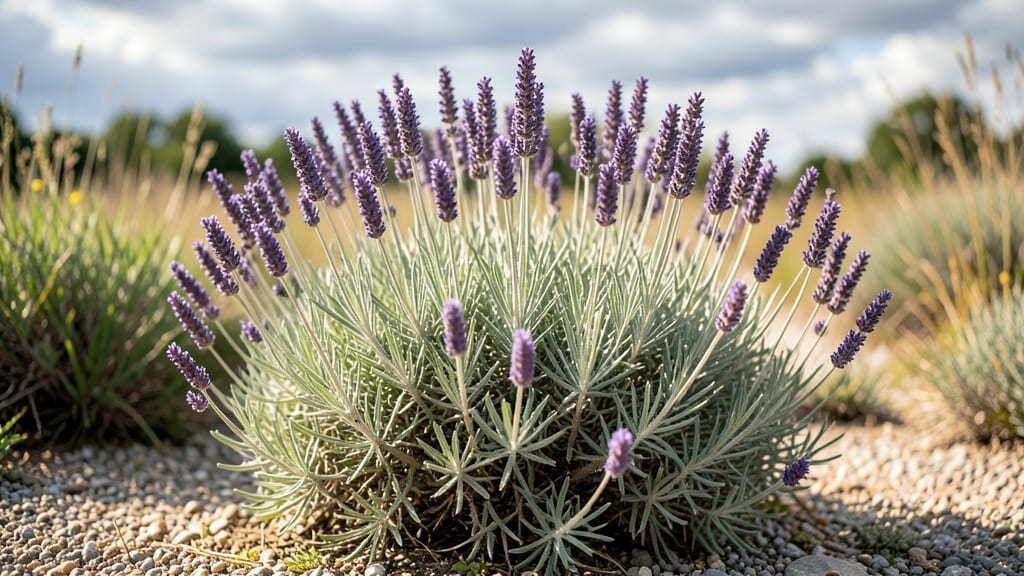
How tall does a lavender tree grow? At maturity, it typically reaches between 6 and 15 feet, depending on the variety and care—so if you’ve ever pictured this fragrant shrub as a tiny border plant, think again.
That’s right: without pruning, your 🌿 lavender tree can tower over doorways and even reach the eaves of a house. But here’s the good news—with simple pruning techniques, you can shape it into a manageable, bushy plant that stays at your ideal height while still packing in those signature blooms.
The key is understanding how each lavender type grows (Spanish lavender stays shorter, while Portuguese varieties can climb higher) and when to trim for compact growth.
I’ll walk you through the exact steps to control height naturally, plus common mistakes that make lavender trees grow too tall—and how to fix them.
Whether you’re working with a 6a-zone garden or a container, you’ll learn how to keep your lavender tree at the perfect size for your space, all while maximizing its beauty and fragrance.

Natural lavender tree height: what to expect by variety and age
When you picture a lavender tree, you might imagine a towering, fragrant giant—but the truth is more nuanced. These plants, often called "trees" due to their upright growth habit, are actually woody shrubs that can reach impressive heights if left unpruned.
Understanding how tall each variety grows helps you plan your garden layout and pruning strategy for the perfect lavender specimen.
The height of a lavender tree depends heavily on its variety, age, and growing conditions. While some varieties stay compact, others can grow over 10 feet tall with proper care.
For example, Spanish lavender tends to be the tallest, while English lavender remains more manageable. Let’s break down what to expect based on these key factors.
Age plays a critical role in determining height. In their first year, lavender trees typically grow just 1-2 feet tall. By the second year, they can double in height, reaching 3-4 feet. Once established, most varieties continue growing 6-12 inches per year, with some reaching their mature height within 3-5 years. However, without pruning, they can keep growing taller for decades.
Climate also influences height. Hot, dry climates like those in the Mediterranean encourage faster, taller growth, while cooler or humid conditions may stunt growth slightly. For instance, lavender grown in USDA Zone 7 or higher often matures faster and taller than those in Zone 6 or below.
If you’re in a cooler region, expect slightly slower growth but still significant height potential.
| Variety | Mature Height | Height at 1 Year | Height at 3 Years | Climate Notes |
|---|---|---|---|---|
| Spanish Lavender (Lavandula stoechas) | 4–6 feet | 1–2 feet | 3–4 feet | Thrives in heat; may grow taller in dry climates |
| English Lavender (Lavandula angustifolia) | 2–4 feet | 1–1.5 feet | 2–3 feet | Best in cooler climates; slower growth |
| French Lavender (Lavandula dentata) | 3–5 feet | 1.5–2.5 feet | 3–4 feet | Tolerates humidity better; moderate growth |
| Grosso Lavender (Lavandula x intermedia) | 3–5 feet | 1–2 feet | 3–4 feet | Hybrid; robust growth in most climates |
| Portuguese Lavender (Lavandula latifolia) | 5–8 feet | 2–3 feet | 4–6 feet | Fastest-growing; needs pruning to control height |
If you’re growing Portuguese lavender, be prepared for rapid height increases—this variety can reach 8 feet tall without pruning. On the other hand, English lavender is ideal for smaller gardens or containers, rarely exceeding 4 feet.
The key to managing height lies in understanding your specific variety’s growth habits and adjusting your pruning schedule accordingly.
Pruning isn’t just about height control—it also encourages denser foliage and more abundant blooms. For example, if you prune your Spanish lavender back by one-third in early spring, you’ll promote bushier growth and prevent it from becoming too leggy.
Regular pruning also helps maintain the plant’s natural shape, making it look more like a tree and less like a wild shrub.
One common misconception is that lavender trees grow taller in containers. In reality, container-grown lavender often stays shorter—typically 2-3 feet tall—because root growth is restricted. However, if you use a large pot with well-draining soil and prune regularly, you can still achieve a compact, tree-like shape.
Just avoid overcrowding the roots, as this can stunt growth entirely.
For those in cooler climates, such as the Pacific Northwest or New England, lavender may grow more slowly but still reach its mature height over time. In these regions, focus on protecting young plants from winter winds and providing sheltered locations to encourage steady growth.
Mulching around the base with gravel or coarse sand can also improve drainage and support taller growth.
If you’re planning a lavender hedge or a formal garden design, consider spacing your plants based on their mature height. For instance, Portuguese lavender should be planted 5-6 feet apart to allow room for its towering growth, while English lavender can be spaced 2-3 feet
Step-by-step pruning guide to control lavender tree height
Pruning your lavender tree isn’t just about keeping it tidy—it’s the secret to controlling its height naturally while encouraging lush, fragrant blooms. Without proper pruning, these woody shrubs can easily reach 10+ feet tall, dwarfing your garden design.
The key is timing and technique, which I’ll break down so you can shape your lavender like a pro.
First, understand that lavender trees (often Lavandula angustifolia or Lavandula x intermedia varieties) grow best with light, strategic pruning—never heavy cuts. Over-pruning can stress the plant, leading to stunted growth or even death.
We’ll focus on seasonal pruning to maintain your desired height while keeping the plant healthy and vibrant.
When to Prune Your Lavender Tree
-
Step 1: Late Winter (February-March)
Trim dead or damaged branches first—these are easy to spot as they’re brown or brittle. Use sterilized pruning shears to make clean cuts just above a leaf node.
-
Step 2: Early Spring (April)
Shape the plant by cutting back 1/3 of the previous year’s growth. Focus on overcrowded stems to improve airflow and reduce disease risk.
-
Step 3: Post-Bloom (July-August)
Lightly trim spent flower spikes to encourage new blooms. Avoid heavy pruning now—this is the plant’s growth peak.
-
Step 4: Avoid Fall/Winter Pruning
Never prune in late fall or winter—this stresses the plant when it’s dormant. If you must prune, wait until early spring.
Now that you know when to prune, let’s talk how. Start by removing any woody, overgrown branches that are thicker than a pencil—these won’t produce flowers and can weigh down the plant.
For height control, focus on cutting back the longest stems by about 1/3 their length, but never cut into old wood (the gray, woody base of the stem).
Use sharp, bypass pruners for clean cuts, and always cut at a 45-degree angle just above a leaf node. This encourages new growth from the right spot. If your lavender looks leggy or sparse, it’s a sign you’ve pruned too late or too heavily in the past.
Don’t worry—with consistent, gentle pruning, your plant will bounce back in no time.
Finally, watch for visual cues that your lavender needs attention. If you see bare stems at the bottom or overly dense foliage at the top, it’s time to prune.
Aim to keep your lavender tree between 6-8 feet tall for a balanced look—this height is perfect for privacy screens or focal points without overwhelming your space.
With these steps, your lavender tree will stay lush, fragrant, and at your ideal height for years to come. Happy pruning! ✂️🌿