
Pests and Diseases
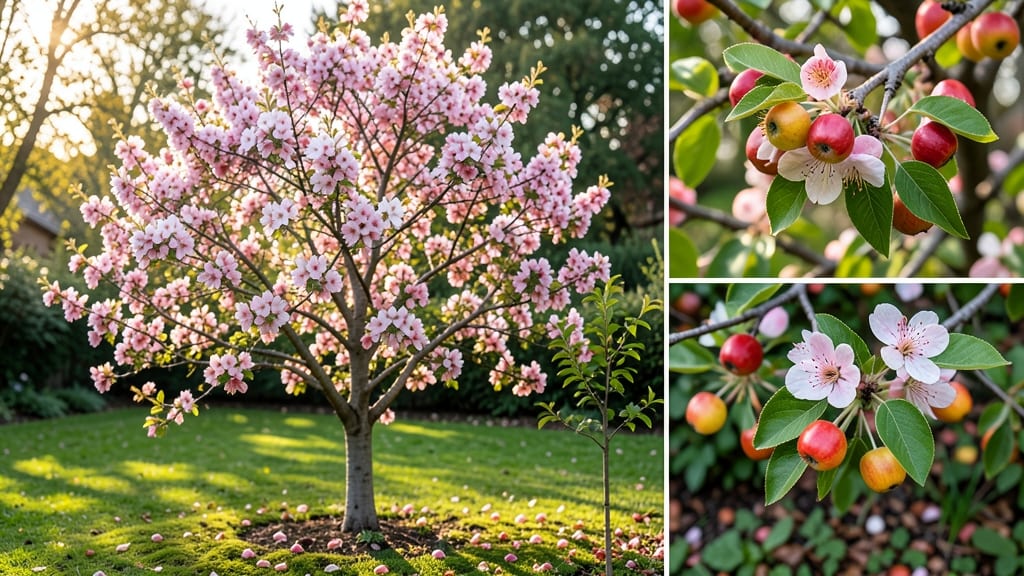
Crabapple trees offer the pros and cons of stunning spring flowers, compact growth, and wildlife benefits, but they demand regular pruning, create messy fruit litter, and are prone to diseases like apple scab and fire blight.
Crabapple trees shine in landscapes with their vibrant spring blossoms that outshine many ornamental trees, plus their compact growth habit makes them perfect for urban yards where space is limited. 🌸 The fruit they produce isn't typically eaten fresh but serves as a vital food source for birds and other wildlife, turning your yard into an ecosystem hotspot.
However, their small fruit drops easily, creating cleanup challenges, and their susceptibility to fungal diseases means proactive care is a must for long-term success.
What sets crabapples apart from other fruit trees is their dual role as both decorative stars and functional plants. Their fall color often matches or exceeds their spring display, giving you year-round interest.
I've seen them transform dull corners into focal points, especially when planted near patios or walkways where their height stays manageable. The trade-off? Their disease resistance is lower than many people expect, requiring careful selection of disease-resistant varieties and diligent maintenance to keep them thriving.
💡 In This Article
- Crabapple Tree Benefits for Landscaping and Ecosystems
- Managing Crabapple Tree Diseases and Maintenance Challenges
Crabapple tree benefits for landscaping and ecosystems
The most striking advantage of crabapple trees lies in their seasonal visual impact. Their spring blooms—often in shades of pink, white, or red—can last 3-4 weeks, creating a dramatic display that rivals magnolias or cherry blossoms.
Varieties like 'Royalty' produce 2-inch-wide flowers in dense clusters, while 'Adirondack' offers double blooms that appear almost artificial in their perfection. This extended bloom period provides continuous interest, unlike many trees that peak for just 7-10 days.
Beyond flowers, crabapples deliver ecological value that's often underestimated. Their small fruit—typically ½ to 1 inch in diameter—may not be palatable for humans, but they're a critical food source for over 40 bird species, including robins, waxwings, and woodpeckers.
The fruit's high pectin content makes it ideal for jellies when processed, though raw fruit has a tart, astringent flavor due to its high tannin levels. This dual role as both ornament and wildlife feeder makes them exceptionally valuable in urban and suburban landscapes where native food sources are scarce.
Size matters too—literally. Most crabapple cultivars stay between 15-25 feet tall at maturity, making them perfect for small yards, courtyards, or as street trees. The 'Centennial' variety, for example, tops out at just 15 feet while still producing abundant blooms.
This compact growth habit eliminates the need for extensive pruning to control size, a common frustration with larger fruit trees. Their fall foliage often turns vibrant yellow, orange, or red, adding another layer of seasonal interest that many ornamental trees lack.
What surprises many gardeners is how versatile crabapples can be in different lighting conditions. While they prefer full sun (6+ hours daily) for optimal flowering, varieties like 'Sentinel' perform well in partial shade, making them adaptable to challenging urban sites.
Their root systems are also relatively non-invasive compared to trees like willows or silver maples, reducing risks to sidewalks and foundations. This adaptability means they can thrive in USDA zones 4-8, covering most temperate growing regions.
However, there's a common misconception that crabapple fruit is completely useless. While not ideal for fresh eating, their culinary potential extends beyond jellies. The fruit can be fermented into wild cider or used to make vinegar, with flavors that develop complexity over time.
Some foragers also use the dried fruit in herbal teas for its mild astringent properties. The key is understanding their secondary purposes rather than dismissing them outright as "inedible."
For pollinators, crabapples are a powerhouse. A single tree can attract hundreds of bees during peak bloom, with each flower producing 3-5 pollen grains per visit. This makes them particularly valuable for early spring pollination when other nectar sources are limited.
Their open, flat blossoms provide easy access for bees, unlike some double-flowered varieties that may hinder pollinator access. This dual benefit for both visual appeal and ecological support makes them one of the most efficient landscape investments for small spaces.