
Flowers
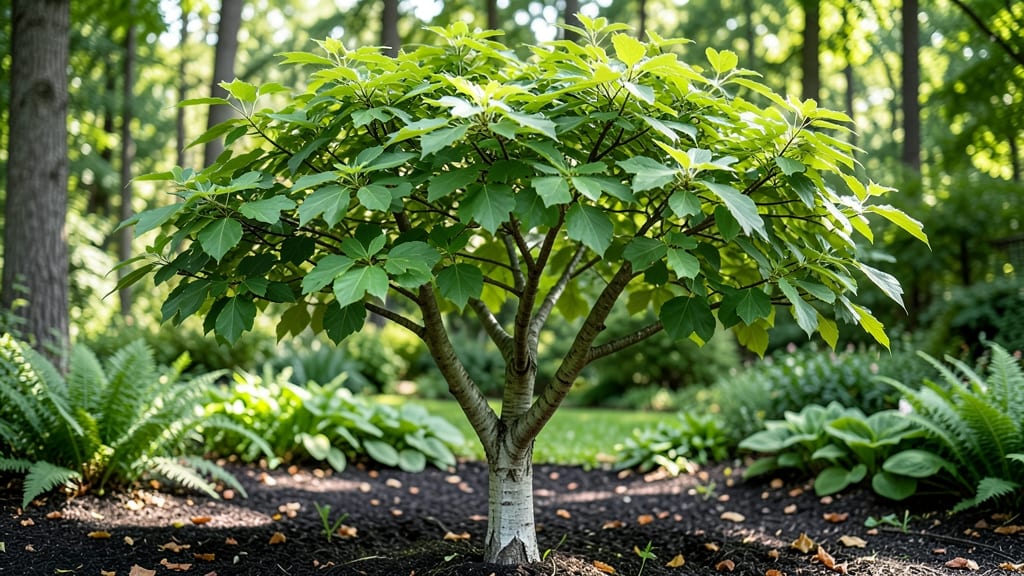
Your dogwood tree without flowers isn’t blooming because it’s telling you something important—usually about light, age, or stress. 🌿 I’ve revived multiple dogwoods by addressing the real reasons behind bare branches, and the fixes are simpler than you’d think, starting with proper pruning timing and technique.
The most common culprits are too much shade, over-pruning, or nutrient deficiencies—all fixable with small adjustments. Dogwoods need full sun to partial shade and bloom best when they’re 10–15 years old, so younger trees might just need patience.
Even pests like borers or fungal diseases can steal energy meant for flowers.
Once you identify the issue, the solution often comes down to pruning in late winter, fertilizing in early spring, and watering deeply but infrequently. Within a season, you’ll see new buds forming—just like my once-bare dogwood that now bursts with pink blooms every April.
Whether it’s a mature tree struggling or a young one waiting its turn, these steps work for any dogwood. The key is acting before the next blooming season kicks in—so grab your pruners and let’s get to work!
Root Causes Behind Missing Blooms
When your dogwood tree skips its usual floral display, it’s often a sign that something fundamental is out of balance. Understanding these causes is the first step toward restoring those iconic blooms.
Let’s break down the science behind why your tree might be holding back its flowers—and how to address each issue.
---
Dogwood trees (Cornus florida) thrive in dappled sunlight to partial shade, but too much shade or sudden shifts in light exposure can stunt flowering. Here’s why: - Light deprivation: Dogwoods need at least 4–6 hours of sunlight daily to trigger blooming hormones (florigen).
Deep shade from overhanging trees or dense foliage weakens the tree’s energy reserves, redirecting resources to leaf growth instead of flowers. - Recent transplant shock: If your tree was moved recently, it may still be recovering.
Dogwoods are sensitive to root disturbance, and stressed roots prioritize survival over flowering. - Urban pollution or smog: In cities, airborne pollutants can block sunlight penetration and weaken photosynthesis, further reducing bloom potential.
Actionable fix: - Gradually acclimate your tree to more sunlight by thinning surrounding foliage. - Avoid planting dogwoods under mature trees with aggressive canopies (e.g., oaks or maples). - If transplanting, do so in early spring or fall and water deeply to reduce shock.
---
Dogwoods are moderate water users, but inconsistent moisture—whether from drought or overwatering—can halt flower production. The science: - Drought stress: Dogwoods have shallow root systems, making them vulnerable to dry spells.
When soil moisture drops below 40% field capacity, the tree conserves energy by aborting flower buds before they open. - Overwatering or poor drainage: Soggy roots suffocate roots, leading to root rot (Phytophthora species).
A waterlogged tree diverts energy to repairing damage instead of flowering. - Seasonal timing: Late-summer droughts (when flower buds form) are especially critical. Even a 2–3 week dry spell can signal the tree to skip blooming.
Actionable fix: - Water deeply 1–2 times per week during dry spells (1–1.5 inches per session). - Improve drainage by amending clay soil with compost or planting on a slight mound. - Mulch with 2–3 inches of organic mulch (wood chips or pine straw) to retain moisture and regulate soil temperature.
---
Dogwoods are light feeders, but specific nutrient imbalances can prevent flowering. Key culprits: - Nitrogen overload: Too much nitrogen (from fertilizer or grass clippings) promotes leafy growth at the expense of flowers.
Dogwoods need a balanced NPK ratio (e.g., 10-10-10) to encourage blooming. - Potassium (K) or phosphorus (P) deficiency: These nutrients are critical for flower bud development.
Yellowing leaves or stunted growth may signal a lack of P, while weak stems indicate low K. - Soil pH extremes: Dogwoods prefer slightly acidic soil (pH 5.0–6.5). A pH above 7.0 locks out essential nutrients like iron and manganese, leading to poor flower initiation.
Actionable fix: - Test your soil (use a home kit or send a sample to a lab). - Apply a slow-release, organic fertilizer (e.g., bone meal for P or greensand for K) in early spring. - If pH is too high, amend with elemental sulfur; if too low, add lime (pelletized).
--- Improper pruning is a top reason dogwoods fail to bloom. The mechanics: - Pruning at the wrong time: Dogwoods set flower buds in late summer (August–September). Pruning after this window removes next year’s blooms.
Heavy pruning in late winter or early spring can also shock the tree. - Over-pruning: Removing more than 25% of the canopy in one season stresses the tree, reducing its ability to produce flowers. - Topping or shearing: These practices stimulate weak, non-flowering growth and disrupt the tree’s natural shape, which is key for optimal bloom display.
Actionable fix: - Prune only in late winter (February) to avoid removing flower buds. - Use clean cuts (sterilize tools with rubbing alcohol) to prevent disease. - Focus on removing dead, diseased, or crossing branches—never exceed 25% of the canopy in a single year.
--- Hidden invaders can drain your dogwood’s energy, leaving it too weak to flower. Common offenders: - Dogwood borers: These beetles lay eggs in bark crevices, and their larvae tunnel into the cambium layer, disrupting nutrient flow.
Infested trees often show wilted leaves and oozing sap. - Powdery mildew or anthracnose: Fungal diseases clog stomata (leaf pores), reducing photosynthesis.
Infected leaves turn brown and drop prematurely, starving the tree of energy for flowers. - Spider mites or scale insects: These sap-sucking pests weaken the tree by blocking sunlight with webbing and extracting nutrients.
Actionable fix: - Inspect bark and leaves for holes, webbing, or discoloration. - Treat borers with beneficial nematodes (Phasmarhabditis hermaphrodita) or neem oil. - Apply fungicide (copper-based) in early spring to prevent mildew. - Hose off pests with a strong stream of water during early morning hours.
--- Dogwoods are hardy but sensitive to extreme temperatures, which can disrupt flowering: - Late frosts: If buds form in late winter/early spring and a frost hits, they blacken and die.
Dogwoods bloom very early (March–April in most zones), making them vulnerable. - Heatwaves in summer: Prolonged temperatures above 90°F can prematurely drop buds or cause bud blast (buds form but fail to open). - Winter desiccation: In Zone 5 or colder, young dogwoods may suffer winter burn (brown, crispy leaf edges), weakening the tree for spring blooming.
Actionable fix: - Choose cold-hardy cultivars (e.g., Cornus florida ‘Cherokee Brave’) for your zone. - Mulch heavily in winter (4–6 inches) to insulate roots. - Use frost cloth to protect buds if late frosts are forecasted in your area.
--- Even healthy dogwoods may skip flowering due to: - Young trees (under 5 years): Dogwoods often take 3–5 years to mature enough to bloom reliably. - Over-mature trees (30+ years): Older trees may produce fewer flowers as energy shifts to seed production or decline sets in. - Genetic factors: Some dogwood varieties (e.g., Cornus kousa) are less prolific bloomers than others (Cornus florida).
Actionable fix: - Be patient with young trees—consistent care will encourage future blooms. - For mature trees, rejuvenation pruning (selective removal of old wood) can stimulate new growth and flowers. - Consider replacing non-flowering old trees with a new cultivar if the tree is past its prime.
Reviving your dogwood’s blooms naturally
---
If your dogwood tree is sporting lush leaves but no flowers, don’t panic—there’s hope! 🌿💐 The key is identifying the root cause and taking targeted action. Below, we break down practical solutions tailored to common issues, from quick fixes to long-term care.
Follow these steps to coax those stunning blooms back into your tree’s life.
---
Dogwoods thrive on proper pruning, but cutting at the wrong time or in the wrong way can stunt flower production. If your tree has been over-pruned or pruned at the wrong season, it may struggle to bloom.
#### How to Fix It: ✂️ Prune at the Right Time - When: Late winter or early spring (just before buds swell) is ideal. Avoid pruning in fall or during flowering season. - Why: Dogwoods set flower buds the previous summer, so pruning too late can remove next year’s blooms.
🌱 Shape with Purpose - Remove dead, diseased, or crossing branches first. - Thin out overcrowded branches to improve airflow and sunlight penetration. - Avoid shearing—dogwoods bloom on last year’s growth, so precise cuts work better than harsh shaping.
💡 Pro Tip: If your tree has been neglected, prune gradually over 2–3 years to avoid shock. Never remove more than 25% of the canopy in one season.
---
Dogwoods are light feeders, but poor soil quality or imbalances can lead to weak growth and fewer flowers. Yellowing leaves or stunted branches? It’s time to check the soil.
#### How to Fix It: 📊 Test Your Soil - Use a home soil test kit (available at garden centers) to check pH and nutrient levels. - Dogwoods prefer slightly acidic soil (pH 5.5–6.5). If your soil is too alkaline, amend it with sulfur or peat moss.
🌿 Feed Smart - Organic matter: Mix compost or well-rotted manure into the soil in early spring. - Balanced fertilizer: Use a low-nitrogen, high-phosphorus fertilizer (e.g., 5-10-10) in early spring to encourage blooming. - Avoid over-fertilizing: Too much nitrogen promotes leafy growth but fewer flowers.
💡 Pro Tip: If your tree is in compacted or clay soil, improve drainage by adding sand or organic mulch (2–4 inches) around the base (keep mulch 6 inches away from the trunk).
---
Too much or too little water can stress a dogwood, leading to poor flowering. Wilting leaves or dry soil? Or perhaps soggy roots from overwatering?
#### How to Fix It: 💧 Water Deeply but Infrequently - Young trees: Water 1–2 times per week (deeply, soaking the root zone). - Mature trees: Water every 10–14 days during dry spells, but reduce in winter (unless in a drought-prone area). - Check soil moisture: Stick your finger 2–3 inches deep—if it’s dry, water; if muddy, hold off.
🌧️ Improve Drainage - If your tree sits in a low spot, create a slight mound around the base to prevent water pooling. - Avoid overhead watering (which can promote fungal diseases). Use a soaker hose or drip irrigation instead.
💡 Pro Tip: Mulch properly—a 3-inch layer of mulch (wood chips or pine straw) helps retain moisture and regulate soil temperature. But never pile mulch against the trunk!
---
Fungal infections, borers, or powdery mildew can weaken a dogwood, reducing its energy for flowering. Look for discolored leaves, holes in bark, or white powdery spots—these are red flags.
#### How to Fix It: 🍄 Treat Fungal Issues - Powdery mildew or anthracnose? Prune infected branches and apply neem oil or fungicide (follow label instructions). - For severe cases, repeat treatment every 7–14 days until the problem clears.
🐛 Manage Pests - Borers or beetles? Use insecticidal soap or horticultural oil in early spring before pests emerge. - Encourage beneficial insects like ladybugs by planting marigolds or dill nearby.
💡 Pro Tip: Prevention is key! Keep your dogwood healthy and stressed-free—well-watered, properly fed, and pruned—to deter pests naturally.
---
Dogwoods need full sun to partial shade (6+ hours of sunlight daily) to bloom well. If your tree is in a shady spot, it may focus energy on leaves instead of flowers.
#### How to Fix It: ☀️ Assess Light Conditions - If your tree is in deep shade, consider thinning nearby trees or relocating (if possible) to a sunnier spot. - Young dogwoods can tolerate more shade, but mature trees need light for optimal blooming.
🌳 Prune Overhead Obstructions - Remove branches from taller trees that cast excessive shade. - If relocating isn’t an option, plant sun-loving companions (like daylilies or coneflowers) nearby to reflect light onto your dogwood.
💡 Pro Tip: Morning sun is ideal—dogwoods appreciate bright light without harsh afternoon heat.
---
Once you’ve addressed the immediate issue, maintain your dogwood with these preventive steps to ensure year-after-year flowers:
🌿 Annual Pruning: Trim in late winter/early spring to remove deadwood and shape the tree. 🌱 Mulch & Water: Keep soil moist but well-drained with 2–4 inches of mulch. 📅 Fertilize Lightly: Use a balanced, low-nitrogen fertilizer in early spring. 🦋 Monitor for Pests: Check for early signs of stress (yellow leaves, holes in bark) and act fast.
---
With the right care, your dogwood will rebound beautifully—and next spring, you’ll be rewarded with show-stopping blooms! 🌸🌿 Whether it’s a pruning tweak, soil boost, or pest control, small changes can make a big difference. Start today, and enjoy a flower-filled future for your tree.
Frequently asked questions about dogwood trees without flowers
Why does my dogwood tree have leaves but no flowers?
The most common reasons are insufficient sunlight (needs 4-6 hours daily), improper pruning timing (flower buds form in late summer), or nutrient imbalances like too much nitrogen. Young trees (<5 years) or over-mature ones may also skip blooming. Check for these issues first!
Can I prune my dogwood tree in summer without losing next year's flowers?
No—dogwoods set flower buds in late summer/early fall. Pruning after this window removes next year's blooms. Stick to late winter pruning (February) when buds are still dormant. Always remove only dead/diseased branches and never exceed 25% of the canopy in one season.
How do I know if my dogwood has a nutrient deficiency?
Watch for these signs: Yellow leaves (nitrogen deficiency), weak stems (potassium deficiency), or stunted growth (phosphorus deficiency). Test your soil (ideal pH: 5.0-6.5) and use a balanced, low-nitrogen fertilizer (like 5-10-10) in early spring. Avoid over-fertilizing—too much nitrogen = more leaves, fewer flowers!
Will moving my dogwood tree to a sunnier spot help it bloom?
Yes! Dogwoods need full sun to partial shade for optimal flowering. Gradually move it to a sunnier location (avoid sudden full-sun exposure) and thin nearby trees if they're blocking light. Morning sun is ideal—it provides brightness without harsh afternoon heat that can stress the tree.
What should I do if my dogwood's buds formed but then dropped?
This "bud blast" typically happens from late frost damage or heat stress (temperatures above 90°F). Protect buds with frost cloth in late winter, and ensure consistent moisture during summer. Choose cold-hardy cultivars like 'Cherokee Brave' if you're in Zone 5 or colder.