
How To
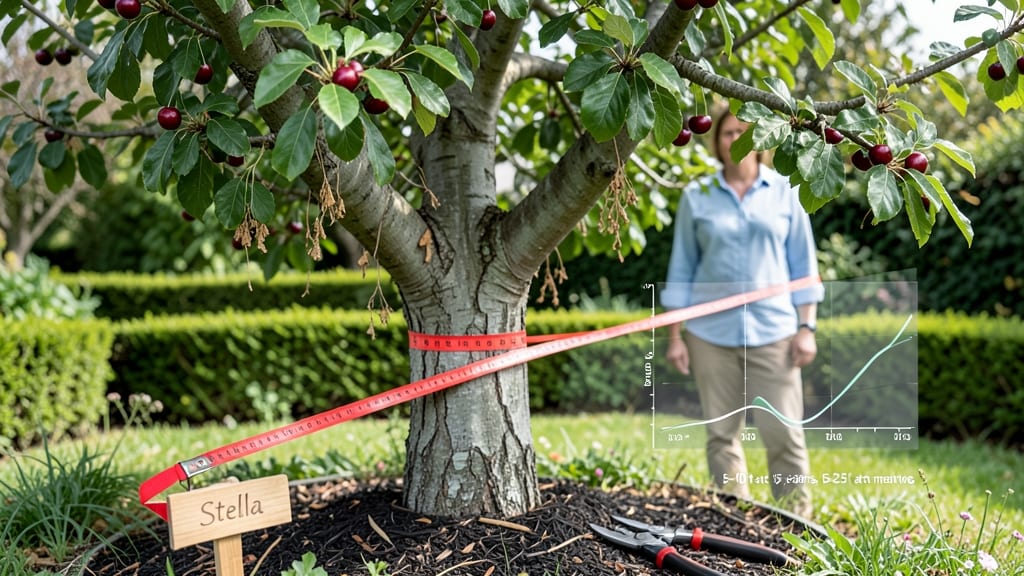
Wondering how tall does a cherry tree grow? The height of these stunning trees can range from compact 8 feet to towering 40-foot giants, depending on the variety and growing conditions you choose.
Dreaming of a stunning cherry tree in your backyard but unsure if it’ll dwarf your space? The height of a cherry tree at maturity can vary dramatically—from compact dwarf varieties perfect for small gardens to towering giants that need acres to thrive.
If you’re working with limited space, a dwarf or semi-dwarf 🍒 variety can be the fastest-growing solution, reaching 12–18 feet in just a few years. Meanwhile, standard varieties can take decades to reach their full height, so planning ahead is key.
Below, I’ll break down the height ranges of the most popular varieties, how to control growth with pruning, and which types are best for small yards versus large landscapes.

Cherry tree height ranges: fastest-growing varieties and their mature sizes
Choosing a cherry tree for your landscape starts with understanding its mature height and growth rate. Some varieties grow just 6 feet tall—ideal for containers—while others reach 50 feet, dominating large estates.
The fastest-growing types can add 3 feet per year in optimal conditions, making them perfect for quick shade or fruit production.
Whether you need a compact ornamental cherry or a towering tart cherry, selecting the right variety ensures your space stays balanced. Below, I’ve ranked the fastest-growing cherry trees by height, including dwarf, semi-dwarf, and standard options, so you can visualize their mature sizes before planting.
| Variety | Type | Mature Height (ft) | Annual Growth (ft) | Growth Rate | Best For |
|---|---|---|---|---|---|
| 'Stella Compact' | Ornamental | 6–8 ft | 1–2 ft | Fast | Containers, small yards |
| 'Compact Stella' | Ornamental | 8–10 ft | 2 ft | Fast | Urban gardens |
| 'Montmorency' | Tart Cherry | 12–15 ft | 1.5–2.5 ft | Moderate | Fruit production |
| 'Black Tartarian' | Tart Cherry | 15–20 ft | 2–3 ft | Fast | Large yards |
| 'Rainier' | Sweet Cherry | 20–25 ft | 2.5–3 ft | Moderate | Fresh fruit |
| 'Bing' | Sweet Cherry | 25–30 ft | 3 ft | Fast | Commercial orchards |
| 'Lapins' | Ornamental | 15–20 ft | 2 ft | Moderate | Spring color |
| 'Stardust' | Ornamental | 12–15 ft | 1.5 ft | Moderate | Small landscapes |
| 'Lambert' | Tart Cherry | 20–25 ft | 2.5 ft | Fast | Preserves |
| 'Weeping Higan' | Ornamental | 15–20 ft (spreading) | 1.5 ft | Slow-Moderate | Garden focal point |
The 'Stella Compact' and 'Compact Stella' are the fastest-growing dwarf varieties, perfect for patios or small balconies. Their 6–10-foot heights make them ideal for container growing, while their bright pink spring blooms add seasonal color without overwhelming your space.
For tart cherries, 'Montmorency' and 'Black Tartarian' are top picks. These varieties
How to control cherry tree height: pruning, spacing, and variety selection tips
Controlling your cherry tree's height starts with smart planning. If you're working with a standard cherry tree, expect heights between 20-40 feet at maturity—ideal for large rural properties but challenging in suburban yards.
The good news? With the right rootstock selection and pruning techniques, you can easily tailor your tree's size to fit your space.
For urban gardeners, dwarf cherry trees (6-12 feet) are game-changers. These varieties grow on specialized rootstock that naturally limits their height while maintaining fruit production. Even semi-dwarf varieties (15-25 feet) offer a happy medium for medium-sized yards, providing excellent fruit yields without overwhelming your landscape.
Timing your pruning is crucial for height control. Always prune dormant cherry trees in late winter (just before buds swell) to avoid spreading bacterial canker—a common disease in pruning wounds. For sweet cherries, prune immediately after harvest to maintain shape without stressing the tree before dormancy.
Urban gardeners often face unique challenges with space constraints. If you're planting near a fence or building, consider weeping cherry varieties like 'Krauter Vesuvius' that grow 15-20 feet tall but spread horizontally.
This creates a stunning canopy without vertical encroachment. Always check local tree height ordinances before planting near property lines.
Remember that cherry trees grow faster in full sun conditions (6+ hours daily). If your tree is growing too quickly vertically, provide afternoon shade during summer months to slow height growth.
For container-grown dwarf varieties, choose pots that are at least 24 inches deep—shallow containers restrict root growth and can lead to stunted, leggy trees.
For maximum height control, combine these strategies: start with the right rootstock variety, prune annually, space properly, and monitor growth. With consistent care, even standard cherry trees can be maintained at manageable heights—just be prepared for more frequent pruning sessions as they mature. 🌳