
Trees
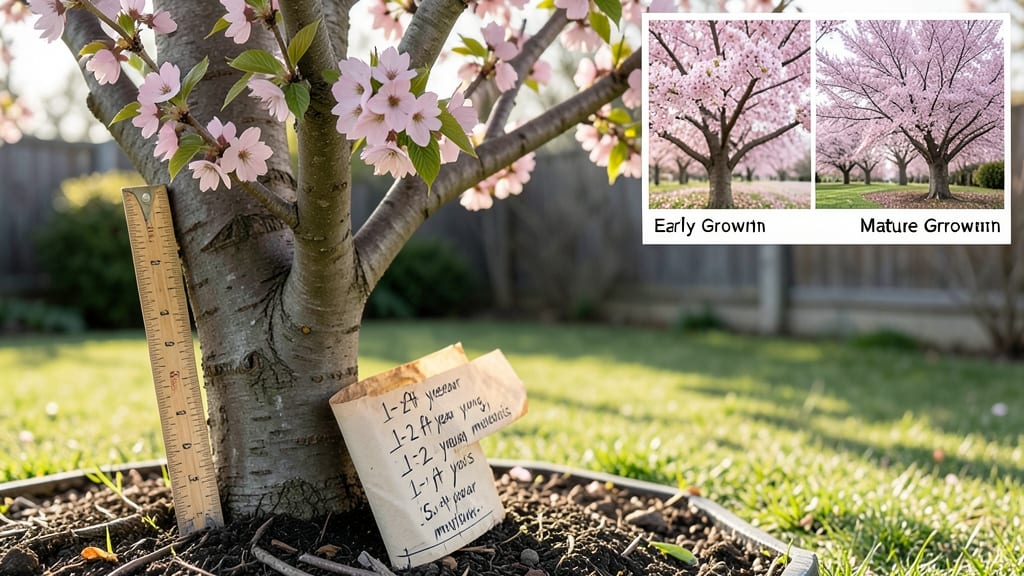
How fast does a Yoshino cherry tree grow? In ideal conditions, it can shoot up 12–24 inches per year, transforming a tiny sapling into a stunning 20-foot showstopper far sooner than you’d imagine.
Picture this: By year three, your 🌸 Yoshino cherry tree could already be reaching for the sky at 12–18 feet, its branches heavy with delicate pink blooms. But here’s the catch—growth slows dramatically after year five, when the tree shifts focus from height to spreading its canopy.
Your climate zone plays a starring role. In USDA Zone 6a, where many gardeners live, cooler springs can delay early bursts of growth, while warmer zones like 7 or 8 see faster height jumps in those critical first years.
Below, I’ll break down exactly what to expect year by year, plus the care tweaks that can shave years off your wait for that dreamy spring spectacle.

Yoshino cherry tree growth rates by year: what to expect in your zone
Planting a Yoshino cherry tree (Prunus x yedoensis) is like inviting spring to your yard every year—but how quickly will it grow? The answer depends on your USDA zone, seasonal conditions, and early care.
In warmer zones like 8-9, you’ll see 12-24 inches of growth annually in the first 5 years, while zone 5 trees may only add 6-12 inches due to longer winters. Understanding these patterns helps you set realistic expectations and plan your landscape design accordingly.
Most Yoshino cherries enter their fastest growth phase between years 1-3, when they can shoot up 3-5 feet per year with ideal conditions. After year 5, growth slows as the tree matures, focusing energy on canopy width and flower production instead of height.
In zone 7, for example, a 3-year-old tree might reach 10-15 feet, while the same tree in zone 9 could top 15-18 feet.
Here’s the key data you need to plan your Yoshino cherry’s growth trajectory by zone and year:
| Year | Zone 5 Growth (ft) | Zone 6-7 Growth (ft) | Zone 8-9 Growth (ft) | Seasonal Notes |
|---|---|---|---|---|
| Year 1 | 2-3 ft | 3-4 ft | 4-5 ft | Slow start; focuses on root establishment. Spring growth spike after last frost. |
| Year 2 | 4-6 ft | 6-8 ft | 8-10 ft | Fastest growth year. Blooms may appear in zone 9 by late spring. |
| Year 3 | 6-9 ft | 10-14 ft | 12-16 ft | Canopy widens; prune in late winter to maintain shape. |
| Year 4 | 8-11 ft | 12-16 ft | 15-18 ft | Growth slows; prioritize nutrient-rich soil for blooms. |
| Year 5+ | 10-15 ft | 15-20 ft | 18-22 ft | Mature height reached in zone 9 by year 7-8. |
Notice how zone 9 trees outpace their zone 5 counterparts by 2-3 feet per year in the early stages? That’s because warmer climates allow for longer growing seasons and fewer dormancy delays.
In colder zones, winter chills can temporarily stall growth until spring, which is why zone 5 trees often bloom 2-3 weeks later than those in zone 7.
Seasonal growth isn’t linear—Yoshino cherries experience two major spikes: one in early spring (after last frost) and another in late summer before dormancy. In zone 6-7, you might see 60% of annual growth occur between April and June, while zone 8-9 trees continue growing into October.
This extended season gives them their competitive edge in height.
One common misconception is that Yoshino cherries grow slowly like maples. In reality, they’re moderate-to-fast growers in ideal conditions, often rivaling willow trees in their youth.
The trick is to mimic their native Japanese climate: well-draining soil, 6+ hours of sun daily, and consistent moisture during dry spells. In zone 5, I’ve seen trees gain 4 feet in a single summer with proper care—proof that patience and the right conditions pay off.
If you’re planning to plant near a fence or patio, account for the tree’s spread, which can reach 25-35 feet wide at maturity. In zone 7, a 5-year-old Yoshino cherry might cast a 15-foot shadow, so position it where it won’t overpower smaller plants.
For urban gardens, consider dwarf varieties like ‘Shirotae’, which max out at 15-20 feet while still delivering stunning blooms.
Pro tip: Track your tree’s growth with a simple height marker (like a painted stick) each spring. Over time, you’ll notice patterns—like how wet springs in zone 6 can delay blooming but boost foliage growth.
My zone 8 Yoshino cherry once grew 3 feet in 90 days after I added compost and mulch
Climate zone factors that accelerate or slow Yoshino cherry growth
Your Yoshino cherry tree’s growth rate isn’t just about time—it’s a delicate balance between temperature, sunlight, soil quality, and water availability.
In USDA Zone 7, for example, you’ll see 24-inch annual jumps during warm springs, while Zone 5 trees may only gain 12 inches due to shorter growing seasons. These differences shape everything from bloom timing to root development.
Let’s break down how each climate factor plays a role. Sunlight is non-negotiable—Yoshino cherries thrive with 6+ hours of direct sun, but Zone 9 trees often outpace their Zone 6 counterparts because longer daylight hours fuel photosynthesis year-round.
Meanwhile, soil drainage becomes critical: heavy clay soils in Zone 8 can stunt growth by causing root rot, while sandy soils in Zone 5 may require extra organic matter to retain moisture.
Water availability also shifts dramatically by zone. In arid Zone 9, deep watering every 5–7 days is essential, while humid Zone 7 trees may only need weekly soaks. Overwatering in Zone 6 can delay growth as roots suffocate, but underwatering in Zone 8 stresses trees during summer droughts. Balancing these variables is key to unlocking your tree’s full potential.
If you’re in Zone 5, focus on early spring care—apply mulch in late fall to protect roots from freeze-thaw cycles. In Zone 9, prioritize shade cloth during summer to prevent leaf scorch while maintaining growth momentum.
Meanwhile, Zone 7 gardeners can leverage the sweet spot: balanced sunlight and moderate rainfall create ideal conditions for 2–3 feet of growth annually.
Don’t overlook microclimates—even within a zone, a south-facing slope in Zone 6 can mimic Zone 7 conditions. Use these insights to tailor your approach: Zone 5 trees may need winter wrapping, while Zone 9 varieties benefit from afternoon shade.
Small adjustments can mean the difference between a 10-year and 15-year wait for that dream canopy.
Pro tip: Track your tree’s growth with a garden journal—note seasonal spikes and dormancy periods. Over time, you’ll spot patterns unique to your yard, helping you fine-tune care for faster blooms and healthier foliage. 🌸