
How To
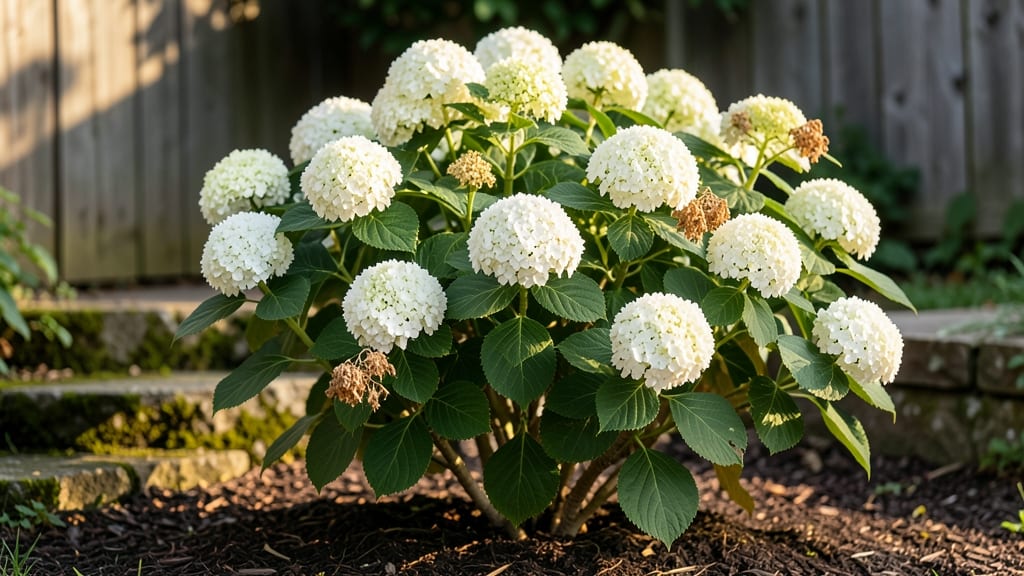
A hydrangea tree can grow how tall does a hydrangea tree grow to heights between 6 and 20 feet, depending on the variety and care you provide — but that range can feel like a guessing game until you know the specifics.
If you're dreaming of adding a hydrangea tree to your landscape but wondering whether it will dwarf your patio or tower over your roof, you're not alone — many gardeners hesitate before planting due to size uncertainty.
The difference between a 6-foot dwarf and a 20-foot standard isn’t just about space; it’s about the variety you choose and how you prune it.
Some, like the Hydrangea arborescens, stay compact at 3-5 feet, while others, such as Hydrangea paniculata, can reach 15-20 feet if left unchecked. Pruning in late winter or early spring can control height, but timing and technique make all the difference.
Below, I’ll break down the mature sizes by variety, how to keep your tree at your desired height, and the care tips that ensure it thrives without taking over your yard.

Hydrangea tree height by popular variety: mature size expectations
Choosing a hydrangea tree for your garden starts with understanding its mature height—some varieties grow as tall as small trees, while others stay compact enough for small yards.
The variety you pick determines not just height but also growth rate and spread, so knowing these details helps you plan spacing and pruning strategies from day one.
I’ve grown several hydrangea varieties in my own garden, and the differences in their sizes are staggering—some need regular pruning to control height, while others grow wild if left unchecked.
Before planting, consider your space constraints. A 20-foot hydrangea planted too close to your house will quickly become a problem, while a 3-foot dwarf variety might feel lost in a large landscape.
Each type has unique care needs, from sunlight preferences to watering schedules, all of which influence how tall your hydrangea will grow over time. Let’s break down the most popular hydrangea tree varieties and their mature size expectations so you can make the best choice for your garden.
If you’re wondering how tall a hydrangea tree grows in your specific climate, consider your USDA hardiness zone. For example, Hydrangea paniculata varieties like 'Limelight' can reach 20 feet tall in zones 4–8, but their growth rate slows in cooler climates.
Meanwhile, Hydrangea arborescens, such as 'Annabelle', typically max out at 6 feet and are ideal for smaller spaces. My own 'Little Lime' hydrangea, a dwarf variety, has only grown to 4 feet after three years, proving that even fast-growing types can be managed with proper pruning.
Spacing is another critical factor. Planting a 12-foot hydrangea too close to your patio or driveway will lead to overcrowding and poor airflow, which invites pests and diseases. As a rule, give large varieties like Hydrangea quercifolia at least 8 feet of clearance on all sides.
For smaller types, 4–6 feet apart is sufficient. I once made the mistake of planting a 'Limelight' hydrangea too close to my fence—by year three, it was scraping against the wood, and pruning became a nightmare. Always measure twice before digging!
Growth rate varies by variety, but most hydrangea trees establish their framework in the first 3–5 years. For instance, a Hydrangea paniculata might grow 2–
How pruning affects hydrangea tree height: techniques for size control
Pruning is the secret weapon for controlling your hydrangea tree height while keeping it healthy and blooming. Whether you're dealing with a 6-foot dwarf variety or a towering 20-foot giant, the right cuts at the right time can make all the difference.
I've learned that timing and technique are everything—cut too early or too late, and you might end up with leggy stems or stunted growth.
Most gardeners make the mistake of pruning at the wrong time, thinking all hydrangeas respond the same way. But Hydrangea paniculata (like 'Limelight') and Hydrangea arborescens (like 'Annabelle') have different needs.
For example, paniculata blooms on new wood, so late winter pruning works best, while arborescens blooms on old wood and needs pruning right after flowering. Getting this wrong can leave you with a hydrangea tree that either grows too tall too fast or refuses to bloom.
⚠️ WARNING: Over-Pruning Can Stunt Growth or Create Leggy Stems Pruning too aggressively—especially in late winter—can shock your plant and lead to weak, sparse growth. If you cut back more than 1/3 of the plant's height in one go, you risk encouraging long, bare stems with few blooms.
For hydrangea trees under 10 feet tall, I recommend removing only old wood or dead branches during dormant season, then light shaping in spring. For taller varieties, strategic cuts can maintain height while improving shape.
Timing your pruning is just as critical as the cuts themselves. For Hydrangea paniculata, prune in late winter or early spring (before buds swell) to encourage vigorous new growth. If you prune too late, you might miss the current season's blooms.
For Hydrangea arborescens, wait until spring or early summer after the flowers fade to avoid cutting off next year's blooms. I once pruned my 'Annabelle' in fall by mistake—it took two years to recover!
Your tools matter too. Always use clean, sharp pruners or a pruning saw for thicker branches. Dull tools crush stems, inviting disease. I keep a pair of bypass pruners for cuts under 1/2 inch thick and a pruning saw for anything larger.
After each cut, dip tools in rubbing alcohol to prevent spreading bacteria. For hydrangea trees, I also recommend wearing gloves—those stems can be surprisingly prickly!
To maintain a specific height, like 6 feet for a patio-friendly look, focus on removing vertical growth at the top while leaving lower branches intact.
For example, if your tree reaches 8 feet and you want 6 feet, cut back the top 2 feet of the tallest stems just above a bud or side branch. Avoid cutting flush to the trunk—this can leave unsightly stubs and invite rot.
For Hydrangea quercifolia (oakleaf hydrangea), which can grow 12-20 feet, I prune lightly each year to maintain its natural shape while keeping it under control.
Remember, hydrangea trees respond best to gradual pruning. If you've let yours grow too tall, don't try to fix it all at once. Spread out the cuts over 2-3 years to avoid shocking the plant.
For example, if your 15-foot tree needs to be 10 feet, reduce it by 2 feet per year. Pair this with proper watering and fertilizing (like a balanced 10-10-10 in early spring) to support new growth.
With patience, your hydrangea will thank you with lush blooms and perfect height! 🌿✂️