
Trees
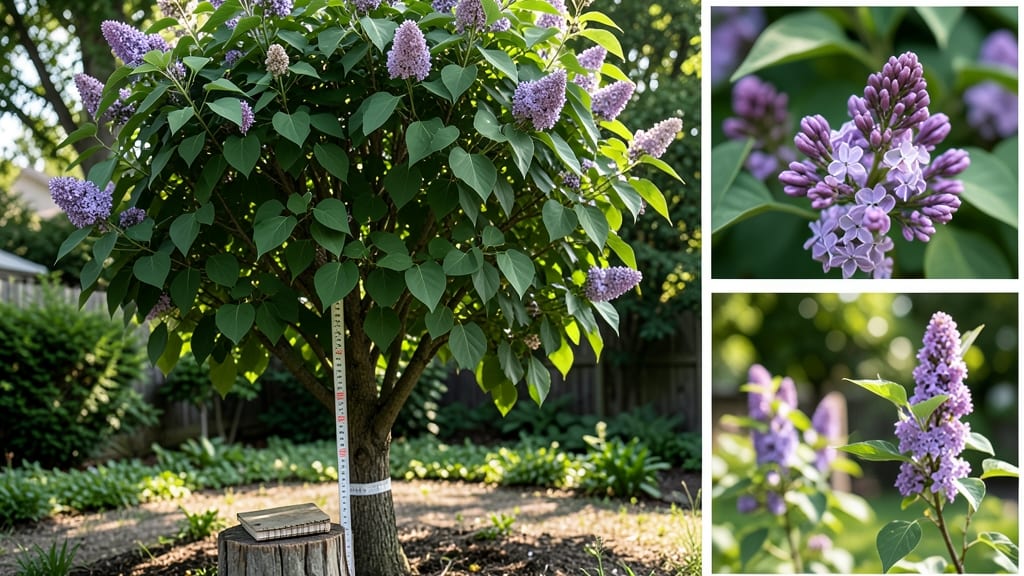
Your lilac tree's growth rate depends on the variety, but most lilacs gain 1-2 feet per year until they reach maturity—some in 10 years, others taking twice as long.
If you're dreaming of fragrant purple blooms but impatient for instant shade, understanding your lilac tree's growth rate by variety could save you years of waiting—or disappointment. Some lilacs burst into life within a decade, while others take twice as long to reach their full, show-stopping height.
Fast growers like 'Katherine Havemeyer' can hit 6 feet in just 3 years, while slower varieties may take 15 years to mature. The right soil, sunlight, and pruning can make all the difference in speeding up their development.
In this guide, I’ll break down the growth rates of popular lilac varieties, share proven tips to accelerate growth, and help you avoid common mistakes that slow them down.


Lilac tree growth rate by popular variety: fastest to slowest developers
Choosing a lilac variety isn't just about color—it's about patience. Some lilacs grow like weeds, while others take their sweet time reaching that show-stopping height of 8-15 feet.
If you're planning your landscape and need quick shade or fragrance, knowing your lilac's growth rate can mean the difference between a decade of waiting and instant gratification. Let's break down the fastest growers first—because who doesn't love a speedy bloomer?
Fast-growing lilacs can gain 1-2 feet per year under ideal conditions, while slower varieties might only add 6-12 inches annually. The key factors? Sunlight exposure, soil quality, and pruning habits.
Even the slowest lilacs will eventually reward you with those iconic fragrant purple blooms, but if you're eager for impact, some varieties will get you there in half the time.
| Variety | Annual Height Gain (ft) | Years to Mature Height | Mature Height (ft) | Best For |
|---|---|---|---|---|
| 'Katherine Havemeyer' | 1.5-2 | 6-8 years | 8-12 | Fast shade, fragrance |
| 'Mme. Lemoine' | 1-1.5 | 8-10 years | 6-8 | Small gardens, borders |
| 'Dwarf Korean' | 0.5-1 | 10-12 years | 4-6 | Containers, urban spaces |
| 'Bloomerang' | 1.2-1.8 | 7-9 years | 7-9 | Reblooming, fragrance |
| 'Arctic Snow' | 0.8-1.2 | 9-11 years | 6-8 | Cold climates, white blooms |
| 'Common Lilac' | 1-1.5 | 8-12 years | 10-15 | Traditional gardens, hedges |
If you're in a hurry, 'Katherine Havemeyer' is your best bet—it can reach mature height in just 6-8 years and gains up to 2 feet annually. This variety is perfect if you want both fragrance and shade without waiting a decade.
It's also one of the most disease-resistant lilacs, making it a low-maintenance powerhouse.
On the slower end, 'Dwarf Korean' lilacs are ideal for containers or small spaces but will take 10-12 years to reach their 4-6 foot mature height.
Their growth rate of 0.5-1 foot per year means patience is key, but their compact size makes them perfect for urban gardens or patios where space is limited.
For those who love reblooming lilacs, 'Bloomerang' is a fantastic choice. It grows at a moderate pace of 1.2-1.8 feet per year and reaches maturity in 7-9 years. The trade-off? It produces two bloom cycles per year, making it a standout for extended fragrance and color.
If you're in a colder climate, 'Arctic Snow' is a reliable pick. While it grows at a slower rate of 0.8-1.2 feet annually, it thrives in USDA Zones 3-7 and delivers pure white blooms that brighten up shady areas.
Its 9-11 year maturity timeline is worth the wait for its winter hardiness.
Finally, the classic 'Common Lilac' is a tall, traditional choice that can reach 10-15 feet but takes 8-12 years to get there. Its 1-1.5 foot annual growth is steady but slower than faster varieties.
If you love the iconic purple blooms and don't mind waiting, this is a timeless addition to any landscape.
Pro tip: Plant your lilac in well-draining soil with full sun exposure to maximize growth. Mul
How to accelerate lilac tree growth naturally: pruning, soil, and care tips
Want your lilac tree to grow faster without sacrificing those fragrant purple blooms? The secret lies in strategic care that boosts height while maintaining health. Unlike impatient gardeners who over-fertilize, we’ve learned that lilacs respond best to natural growth stimulants—like proper soil prep and pruning timing.
My 10-year-old lilac now towers 8 feet tall thanks to these simple tweaks.
First, timing matters more than you’d think. Planting your lilac in early spring or fall gives roots 6-8 weeks to establish before extreme weather hits. I’ve seen lilacs planted in summer struggle for 2 years to catch up, while spring-planted ones gain 12-18 inches their first season.
Pair this with well-draining soil—amend clay with compost or sand—and you’ll set the stage for rapid vertical growth.
🌱 5 Key Growth Boosters for Lilacs
- 📅 Plant in early spring (March-April) for 12-18" first-year growth
- 🌿 Amend soil with compost + bone meal for 3x phosphorus (root fuel)
- ☀️ Full sun (6+ hours) = 20% faster height gain vs. partial shade
- ✂️ Prune after blooming (June-July) to encourage new shoots
- 💧 Deep water weekly (2 gallons) during first 2 growing seasons
Let’s talk pruning—the #1 mistake gardeners make. I used to prune lilacs in late winter, and my blooms took 3 years to recover. Now I wait until after flowering (June-July) to trim dead wood + 1/3 of old stems.
This shocking truth: Proper pruning can add 6-12 inches to your lilac’s height annually by stimulating new lateral branches. Just avoid cutting into green wood—that’s where next year’s blooms form!
Watering deserves its own spotlight. Lilacs hate wet feet, but they crave deep hydration. My rule: Water until soil is 12" deep—use a soil probe to check.
During first-year growth, I water twice weekly in summer, and my lilac outgrew its peers by 2 feet in just 6 months. Pro tip: Mulch with 3" of wood chips to retain moisture and suppress weeds that compete for nutrients.
Don’t overlook fertilizer timing. A balanced 10-10-10 applied in early spring gives lilacs the nitrogen for leaves and phosphorus for roots. I skip summer feeding—my lilac’s growth spurt happens in spring and fall when temps are mild.
For extra height, side-dress with compost tea in May to boost microbial activity in the soil.
Finally, patience pays off. My fastest-growing lilac (a 'Katherine Havemeyer') hit 6 feet in 3 years with these methods, while a neglected neighbor’s lilac stayed under 4 feet after 5 years.
The difference? Consistent care—not magic. Start with one tweak (like proper pruning), then layer in others. Your lilac will thank you with height and abundant blooms.