
How To
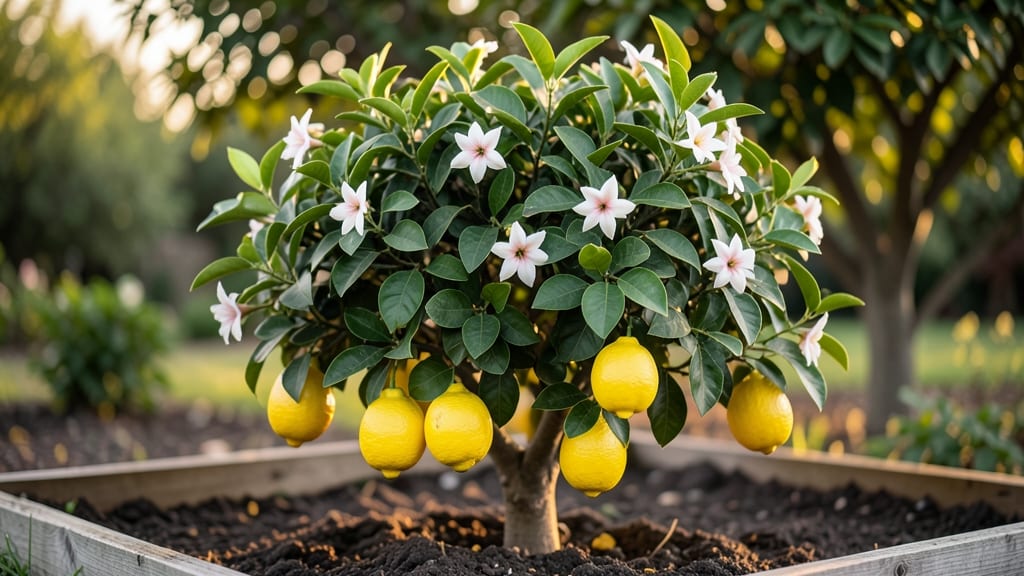
A Meyer lemon tree 🍋 can grow anywhere from 6 to 20 feet tall, depending on whether you choose a dwarf variety or let it reach its full potential.
If you’re dreaming of a homegrown Meyer lemon tree but worried about space, knowing its mature height—and how it varies by climate zone—can help you plan the perfect spot for this fragrant, fruit-bearing beauty.
In warmer zones like 9b-11, where frost is rare, a standard Meyer lemon tree can easily top 12 feet, while dwarf varieties stay between 6 and 10 feet. Even in containers, with the right care, you can keep it under 8 feet.
Below, I’ll break down how to manage its height—whether you want a compact tree for your patio or a full-sized citrus centerpiece in your yard.

Meyer lemon tree height by USDA hardiness zones: what to expect
If you’re dreaming of a homegrown Meyer lemon tree but worried about space, knowing its mature height—and how it varies by climate zone—can help you plan the perfect spot for this fragrant, fruit-bearing beauty.
The Meyer lemon tree thrives in USDA zones 8-11, but its growth rate and final height depend heavily on your specific zone, variety, and growing conditions.
Standard Meyer lemon trees typically reach 12-20 feet tall at maturity, while dwarf varieties stay between 6-10 feet.
However, climate plays a huge role: trees in Zone 11 grow faster and taller due to year-round warmth, while those in Zone 8 may grow more slowly and stay slightly shorter without winter protection.
In Zone 8, Meyer lemon trees grow more slowly, reaching 10-15 feet for standard varieties and 5-8 feet for dwarfs. The cooler winters can stunt growth, so providing winter protection (like wrapping the trunk or moving potted trees indoors) helps maintain healthier growth in subsequent years.
By Zone 9, growth accelerates, with standard trees hitting 12-16 feet and dwarfs 6-10 feet. The warmer climate allows for year-round growth, though a slight slowdown occurs in winter months. This is the sweet spot for balanced growth without extreme height challenges.
Trees in Zone 10 and Zone 11 grow the fastest, often reaching 16-20 feet for standard varieties. Dwarf varieties still cap out at 8-12 feet, making them ideal for smaller yards or containers.
The tropical climate encourages rapid growth, but regular pruning is essential to manage height and shape.
If you’re growing a Meyer lemon in a container, expect slightly shorter heights—2-3 feet less than in-ground trees—due to root restriction. However, dwarf grafted varieties (like those grafted onto Poncirus trifoliata rootstock) are perfect for containers, staying under 8 feet even in warm zones.
For first-year growth, expect your Meyer lemon sapling to reach 1-2 feet. By year two, it’ll shoot up to 3-5 feet, and by year three, you’ll see 6-8 feet of growth. Understanding these milestones helps you plan for support structures or pruning schedules early on.
Climate also affects fruit production timing. In cooler zones (8-9), trees may take 3-4 years to bear fruit, while warmer zones (10-11) can produce lemons in as little as 2 years.
The faster growth in warm zones means taller trees sooner, but also earlier pruning needs to maintain manageable height.
Pro tip: If space is limited, opt for a dwarf variety or grafted lemon tree. These stay compact while still producing abundant fruit. Just ensure they get full sun (6+ hours daily) and well-draining soil to thrive, regardless of zone.
🍋
How to control Meyer lemon tree height: pruning and grafting tips
If your Meyer lemon tree is reaching for the sky faster than expected, don’t worry—you can easily manage its height with the right techniques. Pruning and grafting are two of the most effective ways to keep your tree compact while ensuring it still produces delicious fruit.
Whether you’re working with a standard variety or a dwarf grafted tree, these methods give you full control over its size.
For most gardeners, the goal is to maintain a height between 6 and 10 feet, especially if you’re growing in containers or small yards. Seasonal pruning is key—timing matters just as much as technique.
If you prune at the wrong time, you could stunt fruit production or invite pests. Let’s break down the steps to keep your Meyer lemon tree at your ideal height without sacrificing its productivity.
Step-List: How to Prune and Graft for Height Control
-
Step 1: Choose Your Variety
Opt for a dwarf grafted Meyer lemon (e.g., 'Improved Meyer' on a Flying Dragon rootstock) to naturally limit height to 6-8 feet. Standard varieties can grow 12-20 feet without intervention.
-
Step 2: Prune in Late Winter
Trim back 1/3 of new growth in February or March (before new buds swell). Focus on removing suckers (shoots from the base) and crossing branches to encourage an open canopy.
-
Step 3: Summer Light Pruning
After harvest, do a light pruning in June or July to shape the tree. Remove only overlapping or dead branches—avoid heavy cuts, which can stress the tree during hot months.
-
Step 4: Graft for Dwarf Growth
If you’re starting from seed, graft a Meyer lemon scion onto a dwarf rootstock (like Citrus macrophylla). This ensures the tree stays under 6 feet while maintaining fruit quality.
-
Step 5: Container Pruning Tips
For container-grown trees, prune more aggressively in spring to control height. Use a 5-gallon pot max for dwarf varieties—larger containers encourage faster (and taller) growth.
-
Step 6: Avoid Over-Pruning
Never remove more than 25% of foliage in one session. Over-pruning reduces photosynthesis and can lead to fewer lemons. Aim for gradual shaping over multiple seasons.
-
Step 7: Post-Pruning Care
After pruning, apply a balanced citrus fertilizer (6-6-6 NPK) and mulch around the base to retain moisture. Water deeply to help the tree recover and promote new growth.
Grafting is especially useful if you’re starting from a seedling or want a guaranteed dwarf tree. Many nurseries sell pre-grafted Meyer lemons on dwarf rootstock, which can save you time and effort. Just ensure the rootstock is compatible with your climate—some varieties thrive better in USDA Zone 9b+.
For container growers, remember that root-bound trees grow slower but may need more frequent pruning to prevent legginess. If your tree outgrows its pot, it’s time to upgrade to a larger container or consider outdoor planting in a sunny spot.
With the right balance of pruning and grafting, you can enjoy a compact, fruit-bearing Meyer lemon tree that fits your space perfectly.
🌱 Whether you’re trimming for shape or grafting for size, consistency is key. Start with small adjustments and monitor your tree’s response—you’ll soon have a well-managed lemon tree that’s both beautiful and productive! ✂️