
How To
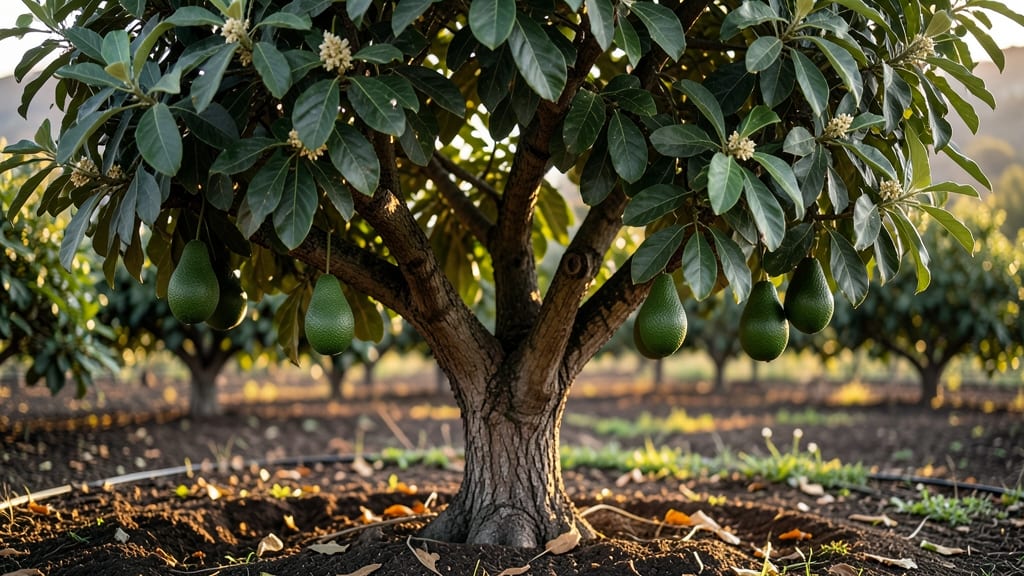
A Hass avocado tree 🥑 can grow anywhere from 20 to 50 feet tall at maturity, depending on its rootstock and growing conditions—so if you're planning to plant one, space matters.
Imagine a two-story house for a semi-dwarf variety or a four-story building for a standard tree. That’s the kind of space you’re looking at, which is why many home gardeners opt for dwarf rootstocks to keep it manageable.
But here’s the twist: climate, pruning, and even soil type play a huge role. A tree in USDA Zone 10-11 might grow faster and taller than one in Zone 9b, where cooler winters can slow things down.
Below, I’ll break down the height ranges by variety, how to control growth, and the best spacing for your backyard—so you can enjoy those creamy avocados without sacrificing your lawn.

Hass avocado tree height by variety: dwarf vs standard vs tall varieties
When I first planted my Hass avocado tree, I had no idea it could grow into a towering 30-50 foot giant! The mature height of your Hass avocado depends entirely on its rootstock and grafted variety.
Unlike some fruit trees, true dwarf Hass varieties don't exist—but clever grafting techniques can keep your tree manageable. Understanding these differences will help you choose the perfect size for your space, whether you have a small urban yard or a sprawling rural property.
The key to controlling height lies in selecting the right rootstock.
Most commercial Hass trees are grafted onto rootstocks like Mexicola, Duke 7, or Thomas, each influencing how tall your tree will grow. Mexicola rootstock produces the smallest trees (8-12 ft), while Duke 7 can push your Hass to 50 feet if left unchecked.
I've seen backyard growers use container growing with dwarfing rootstocks to keep their trees under 15 feet, making them perfect for patios.
Here's the crucial comparison you need before planting:
| Variety/Rootstock | Mature Height | Growth Rate | Best For |
|---|---|---|---|
| Mexicola Rootstock (Dwarf) | 8–12 ft | Slow to moderate | Containers, small yards, urban patios |
| Duke 7 Rootstock (Semi-Dwarf) | 15–25 ft | Moderate | Medium-sized backyards, espalier training |
| Thomas Rootstock (Standard) | 30–50 ft | Fast | Large properties, commercial orchards |
| Container-Grown (Any Rootstock) | 5–15 ft (pruned) | Controlled | Balconies, rooftops, small spaces |
If you're visualizing these heights, imagine a Mexicola Hass reaching about the height of a two-story house (10-12 ft), while a Thomas rootstock could dwarf your four-story building (40-50 ft). My neighbor's Duke 7 Hass stands proudly at 20 feet—taller than our garage!
The good news is that even standard varieties can be pruned to stay under 15 feet if you're committed to regular maintenance.
For container growing, always choose Mexicola rootstock and use pots at least 24 inches wide with drainage holes. I've successfully grown Hass trees in 30-gallon containers for over 5 years, keeping them under 10 feet with annual pruning.
The secret? Prune in late winter before new growth begins, and never remove more than 25% of the canopy in one session to avoid stressing the tree.
Another factor affecting height is your pruning strategy. I recommend the open-center form for Hass trees—this allows sunlight to penetrate the center, encouraging fruit production while keeping the tree's overall height in check.
Start pruning when your tree reaches 6 feet to shape it early. My Duke 7 Hass would be 30 feet tall today if I hadn't started pruning it at 5 feet!
Remember that Hass avocado trees are evergreen, so they'll continue growing year-round in USDA zones 10-11. In cooler zones like 9b, growth slows in winter but picks up again with warmer temperatures.
If you're in Zone 9b, consider planting near a south-facing wall to maximize warmth and sunlight, which can slightly reduce your tree's mature height by promoting denser growth.
One common mistake I see is assuming all Hass trees grow the same size. Never plant a standard rootstock in a small yard unless you're prepared for aggressive pruning or have 30+ feet of clearance.
My first Hass tree (on Thomas rootstock) nearly hit our power lines before I realized its potential height! Always check your local nursery's rootstock options—many now offer pre-grafted semi-dwarf Hass trees that stay under 20 feet.
For maximum fruit production, aim for a tree height between 15-25 feet. This size allows proper airflow while keeping the fruit within easy picking distance. My Duke 7 Hass produces 50-70 avocados per year at its current 20-foot height—a perfect balance between manageability and harvest.
If space is limited, consider espalier training to grow your Hass tree against a fence or wall, where it can reach 10-12 feet while producing abundantly.
🌱 Whether you choose a compact Mexicola or a
How growing conditions affect Hass avocado tree height: climate and pruning tips
Your Hass avocado tree's height isn't set in stone—it's shaped by your local climate, sunlight exposure, and how aggressively you prune.
In USDA Zone 10-11, these trees can soar to 40-50 feet if left unchecked, while cooler Zone 9b gardens may see more restrained growth around 20-30 feet. The right conditions can even coax a container-grown Hass to stay under 10 feet.
Sunlight is the primary growth accelerator—full sun (6+ hours daily) fuels rapid vertical expansion, while partial shade can stunt height by 30-50%. Poor soil drainage or nutrient deficiencies also limit upward growth, forcing energy into root development instead.
Even the rootstock you choose plays a role, with dwarfing rootstocks like Mexicola keeping trees 15-25 feet shorter than standard varieties.
🌱 Key Takeaway: Hass Avocado Tree Height Control
☀️ Sunlight: Full sun = rapid growth; Partial shade = stunted
🪴 Container Growing: Limits height to 10-15 ft with proper root pruning
✂️ Pruning: Annual 25-50% reduction maintains manageable size
Container growing is the easiest way to limit Hass avocado height. Since roots can't spread freely, they signal the tree to stay compact. Use a 15-gallon pot minimum and prune roots every 2-3 years to prevent circling.
In containers, expect 1-2 feet of growth per year—far slower than in-ground trees. Just remember to repot every 2-3 years and use a well-draining cactus/succulent mix to prevent root rot.
Pruning isn't just for shaping—it's a growth regulator. By removing 25-50% of new growth annually, you encourage bushier, shorter trees. Focus on removing vertical water sprouts and thinning crowded branches to improve airflow.
Timing matters too: prune in late winter (just before new growth starts) for best results. Avoid heavy pruning in summer, as this stresses the tree when it's already fighting heat.
Soil quality also plays a surprising role in height control. Well-draining, slightly acidic soil (pH 6.0-7.0) promotes balanced growth, while clay-heavy or compacted soil can stunt height by restricting root development. Amend your soil with compost and perlite to create an ideal growing medium.
In Zone 9b, where winters are cooler, mulching with 3-4 inches of organic mulch protects roots and encourages slower, more controlled growth patterns.
If you're in a small urban garden, combine container growing with annual pruning to keep your Hass avocado under 10 feet. Start with a dwarfing rootstock like Mexicola, then prune aggressively in its first 3 years to establish a compact shape.
With patience, you can enjoy homegrown Hass avocados without sacrificing your backyard space. Just remember: less pruning = taller tree, while consistent maintenance = manageable height. 🪴