
Trees
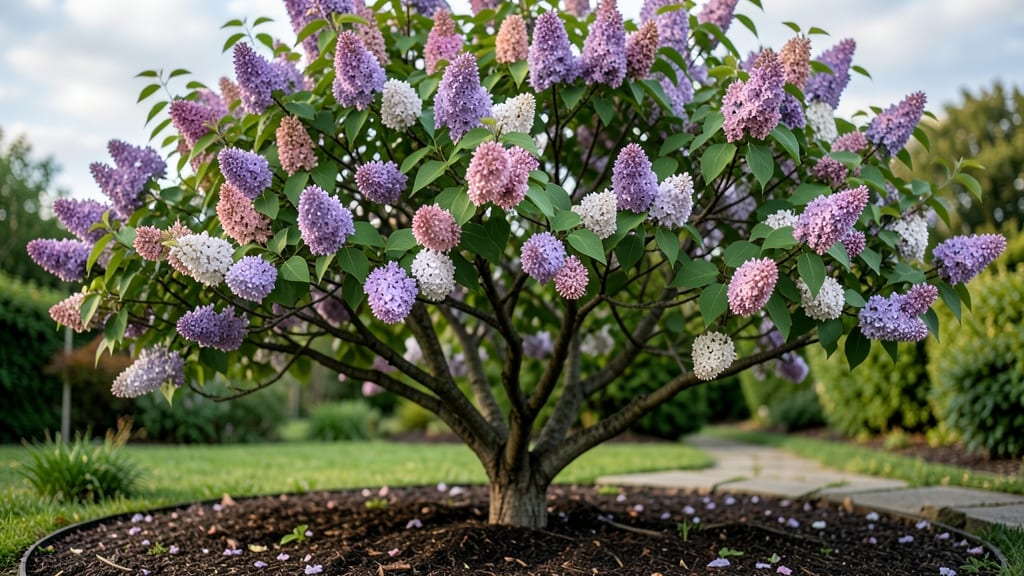
A lilac tree grows how tall does a lilac tree grow between 8 and 15 feet at maturity, depending on the variety and growing conditions—so your choice of type can mean the difference between a delicate border and a towering focal point.
If you're dreaming of fragrant spring blooms but wondering whether a lilac tree will dwarf your backyard, you're not alone.
Many gardeners hesitate before planting due to size concerns, but lilacs aren’t just pretty; they’re hardy, low-maintenance, and their mature height can dramatically transform your landscape—whether you want a statement focal point or a delicate border.
Some varieties, like the dwarf lilacs, stay compact at 4 to 6 feet, perfect for small yards or container gardening, while others, such as the classic common lilac, can soar to 12 feet or more.
The right choice depends on your space, sunlight, and even your pruning habits—all factors we’ll break down to help you pick the perfect fit.
In this guide, you’ll discover the height ranges of popular lilac varieties, tips for managing growth, and how to avoid common mistakes that make these beauties grow uncontrollably tall. Ready to find your perfect 🌸 match?

Lilac tree height ranges by popular varieties: small to towering options
Choosing the right lilac variety is all about balancing your garden’s space with the fragrant beauty these shrubs bring. Some lilacs stay compact enough for small yards, while others grow into towering landscape statements.
The key? Understanding each variety’s mature height range and growth habits before planting. Whether you’re working with a postage-stamp backyard or a sprawling estate, there’s a lilac perfect for your vision.
From dwarf varieties that fit in containers to weeping types that cascade like living waterfalls, lilacs offer incredible diversity. Even their growth rates vary—some reach half their mature height in just three years, while others take a decade.
Let’s explore the most popular lilac varieties and their height ranges at maturity, so you can pick the perfect fit for your outdoor space.
Here’s a quick visual guide to help you visualize how these lilacs will look in your garden once fully grown. Remember, these heights are approximate—proper pruning and care can adjust growth by 20-30% in either direction.
| Variety | Mature Height (ft) | Height Comparison | Growth Rate | Best For |
|---|---|---|---|---|
| 'Little Leaf' (Dwarf) | 4-6 ft | As tall as a mailbox | Slow to moderate | Containers, small yards, borders |
| 'Munstead' | 6-8 ft | Taller than a garden gate | Moderate | Foundation planting, hedges |
| 'Katherine Haviland' | 6-10 ft | Reaches a basketball hoop | Moderate | Privacy screens, focal points |
| 'Common Lilac' (Syringa vulgaris) | 8-12 ft | Taller than a garden shed door | Moderate to fast | Large yards, woodland edges |
| 'Bloomerang' | 6-8 ft | As tall as a garden bench | Moderate | Reblooming displays, small gardens |
| 'President Lincoln' | 10-15 ft | Taller than a standard door | Fast | Statement trees, large landscapes |
| 'Weeping Lilac' (Syringa laciniata 'Alba') | 10-12 ft | Taller than a garden trellis | Slow to moderate | Cascading features, patio centers |
| 'French Lilac' (Syringa vulgaris 'Madame Lemoine') | 8-10 ft | Taller than a garden umbrella | Moderate | Fragrant borders, cottage gardens |
| 'Dwarf Korean Lilac' (Syringa meyeri 'Palibin') | 3-5 ft | As tall as a wheeled barrow | Slow | Rock gardens, containers, alpine beds |
| 'Neglect' (Syringa 'Neglect') | 10-12 ft | Taller than a garden archway | Fast | Low-maintenance landscapes |
If you’re working with limited space, 'Little Leaf' or 'Dwarf Korean Lilac' are fantastic choices—they’ll fit neatly in containers or along walkways. For a romantic cottage garden, varieties like 'Madame Lemoine' or 'Munstead' provide height without overwhelming smaller areas. And if you’re aiming for a dramatic focal point
How to choose the right lilac size for your garden layout
Selecting the perfect lilac variety for your space isn’t just about aesthetics—it’s about creating a functional and fragrant garden that fits your layout and sunlight. With mature heights ranging from 4 feet to 15 feet, lilacs offer options for everything from container gardens to privacy screens.
The key is matching your garden goals with the right variety’s growth habits.
For example, if you have a small urban yard, a dwarf lilac like ‘Miss Kim’ (4–6 feet) will thrive without overwhelming your space. Meanwhile, a standard lilac like ‘Katherine Havemeyer’ (8–15 feet) can serve as a backyard focal point or even a partial privacy screen when planted in groups.
Let’s break down how to choose based on your unique needs.
🌿 Lilac Size Guide by Garden Need
- 🏡 Small Yards (Under 1,000 sq ft)
- 🌸 Best Varieties: ‘Miss Kim’ (4–6 ft), ‘Dwarf Blauer Himmel’ (5–6 ft)
- ✂️ Pruning Tip: Trim lightly after blooming to maintain shape.
- 🏡 Medium Yards (1,000–3,000 sq ft)
- 🌸 Best Varieties: ‘Sensation’ (6–8 ft), ‘Mme. Lemoine’ (8–10 ft)
- 🌳 Landscape Use: Plant near patios or walkways for fragrance.
- 🏡 Large Yards (3,000+ sq ft)
- 🌸 Best Varieties: ‘Katherine Havemeyer’ (10–15 ft), ‘Arctic Beauty’ (8–10 ft)
- 🌿 Design Tip: Create a lilac hedge for seasonal color and privacy.
- 🏡 Containers or Balconies
- 🌸 Best Varieties: ‘Miss Kim’ (4–6 ft), ‘Little League’ (4–5 ft)
- 🪴 Container Tip: Use a 15-gallon pot with drainage holes.
Sunlight is another critical factor—most lilacs thrive in full sun (6+ hours daily), but dwarf varieties can tolerate partial shade. If your garden has shady spots, opt for ‘Bloomerang’ lilacs, which rebloom and adapt better to lower light.
Always check the USDA Zone compatibility (most lilacs grow well in Zones 3–7).
To control height naturally, prune lilacs immediately after flowering—never in late summer or fall, as this can spur weak, late-season growth that won’t harden off before winter. For standard lilacs, aim to keep the lowest branches 3–4 feet off the ground to maintain an open, airy form.
For dwarf varieties, a light trim after blooming keeps them compact without sacrificing flowers.
Pro tip: If you’re unsure about a lilac’s mature size, start with a container-grown specimen—nurseries often label mature heights, and you can replant it later if needed. Lilacs are forgiving, but proper spacing (3–6 feet apart, depending on variety) ensures they don’t crowd each other as they grow.
With the right choice, your lilac will become a fragrant, low-maintenance centerpiece for decades.
🌸