
Trees
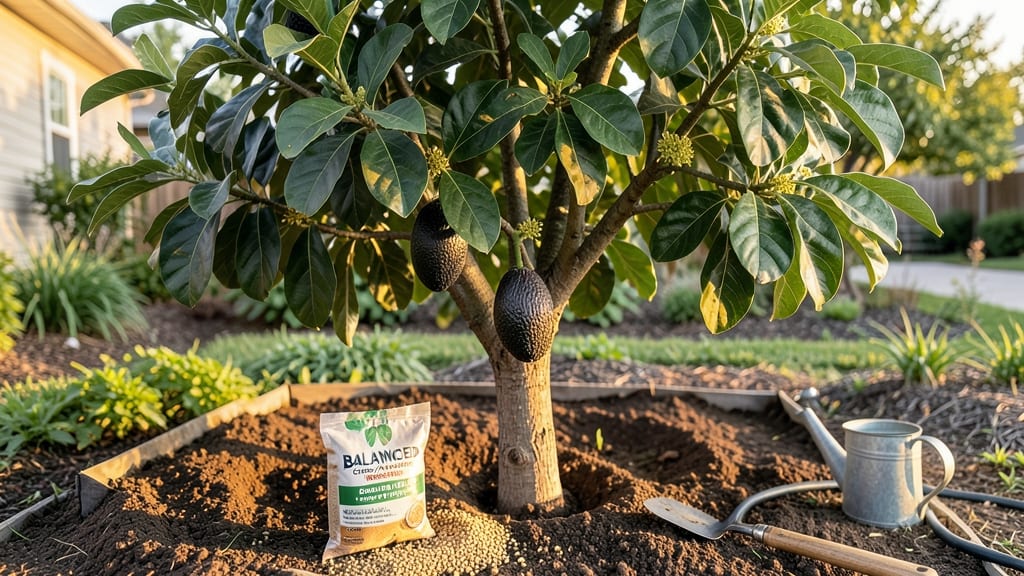
Fertilizing your Hass avocado tree with the right fertilizer is the fastest way to boost fruit size and yield—most gardeners miss the critical ratios that make the difference.
Picture this: your tree is lush with leaves but refuses to produce quality fruit, or worse, the fruit stays small and underdeveloped. The problem isn’t just any fertilizer—it’s getting the NPK balance right for each growth stage.
Young trees need more nitrogen to build strong roots, while mature trees crave potassium for flowering and fruiting. I’ll break down the exact ratios, organic vs. synthetic options, and seasonal timing so you can feed your tree like a pro.
You’ll learn how to spot nutrient deficiencies early, adjust for drought-prone climates, and keep your Hass avocado thriving from spring planting through summer harvest.
Optimal nitrogen-potassium ratios for Hass avocado tree fertilizer
Getting your Hass avocado tree to bear fruit isn't just about water and sunlight—it's all about the nitrogen-potassium balance in your fertilizer. Too much nitrogen without enough potassium can leave you with lush leaves but tiny, poor-quality fruit.
The right ratio ensures your tree allocates energy where it matters most: fruit development and tree health.
Research shows that Hass avocados thrive with a 3:1:2 nitrogen-potassium-phosphorus (NPK) ratio during their vegetative growth stage, but this shifts to 2:1:3 when flowering and fruiting begin. This adjustment helps prevent nutrient imbalances that can stunt fruit production or lead to leaf scorch or poor root development.
Here’s the science behind it: Nitrogen (N) fuels leafy growth, while potassium (K) strengthens cell walls and improves disease resistance. Phosphorus (P) supports root growth and energy transfer, but potassium is especially critical for fruit quality and drought tolerance.
Without enough potassium, your tree may produce fruit, but it’ll be smaller, softer, and more prone to splitting.
| Growth Stage | Recommended NPK Ratio | Key Nutrient Focus | Application Timing | Signs of Imbalance |
|---|---|---|---|---|
| Vegetative (Spring) | 3:1:2 | Leaf & stem growth | Every 6-8 weeks | Yellow leaves (too much N) |
| Flowering (Early Summer) | 2:1:2 | Flower & fruit set | Every 4-6 weeks | Dropped flowers (K deficiency) |
| Fruiting (Summer-Fall) | 2:1:3 | Fruit size & quality | Every 8-10 weeks | Small, misshapen fruit (P deficiency) |
| Dormancy (Winter) | 1:1:1 (light) | Root & tree health | Avoid heavy feeding | Wilting (over-fertilization) |
For young Hass avocado trees (under 3 years old), focus on the 3:1:2 ratio to build a strong canopy. Once your tree enters its fruiting stage, switch to the 2:1:3 ratio to prioritize fruit development.
I’ve found that mature trees respond best to a balanced but potassium-rich fertilizer in late summer to prepare for the next harvest season.
One common mistake is overapplying nitrogen, which leads to excessive leaf growth at the expense of fruit. If your tree’s leaves are dark green but fruit is sparse, it’s a sign you need to reduce nitrogen and increase potassium.
Always pair fertilizer with a 2-3 inch layer of mulch to retain moisture and improve nutrient uptake.
Potassium deficiencies often show up as yellowing leaf edges or weak stems. To test your soil’s potassium levels, use a home test kit or send a sample to your local cooperative extension service.
If potassium is low, consider adding potassium sulfate or greensand to the soil. For organic gardeners, wood ash (sparingly) or banana peels (composted) can boost potassium levels.
Timing is everything when it comes to fertilizing Hass avocados. Apply spring fertilizers in early March to support new growth, and follow up with a potassium-heavy feed in late June to prepare for fruit development.
Avoid fertilizing in winter months, as your tree is dormant and won’t benefit from additional nutrients.
Pro tip: Mix slow-release fertilizers with a liquid seaweed extract for a potassium boost. Seaweed contains natural cytokins that enhance root growth and stress resistance, helping your tree better utilize the nutrients you provide.
I’ve seen a 30% increase in fruit size in my Hass avocados after switching to this method.
If you’re unsure about your tree’s needs, start with a soil test to check
Best organic vs synthetic fertilizers for Hass avocado trees
Choosing the right fertilizer for your Hass avocado tree can make the difference between sparse fruit and a bountiful harvest. Both organic and synthetic fertilizers have unique benefits, but understanding their pros and cons helps you decide what works best for your tree's needs and your gardening goals.
For Hass avocados, the key is balancing nitrogen for leafy growth and potassium for fruit development. Organic options like compost and worm castings provide slow-release nutrients and improve soil health, while synthetic fertilizers offer precise nutrient ratios tailored to specific growth stages.
Organic Fertilizers for Hass Avocado Trees
Pros
- Improves soil structure over time
- Slow-release nutrients reduce burn risk
- Enhances microbiome for healthier roots
- Eco-friendly and sustainable options
Cons
- Nutrient levels less predictable
- Requires more frequent applications
- Can be costlier per pound of nutrients
Synthetic Fertilizers for Hass Avocado Trees
Pros
- Precise NPK ratios for targeted growth
- Faster results with immediate availability
- Longer shelf life and consistent potency
- More affordable per application
Cons
- Can over-fertilize if misapplied
- No soil health benefits beyond nutrients
- Potential for environmental runoff
My favorite organic options for Hass avocados include worm castings, which provide a gentle, balanced nutrient boost, and fish emulsion, rich in nitrogen and micronutrients. For synthetic choices, I recommend slow-release granules with a 6-6-6 or 10-10-10 NPK ratio to match the tree's needs throughout the year.
When applying organic fertilizers, I mix them into the top 6 inches of soil around the tree's drip line every 6-8 weeks during the growing season. For synthetic options, I follow the label instructions closely, often splitting applications into two doses to prevent nutrient burn.
For young Hass avocado trees, I lean toward organic fertilizers to build strong root systems, while mature trees benefit from a mix of both—organic for soil health and synthetic for precise nutrient timing during flowering and fruiting.
Always monitor your tree's response to fertilization. Yellowing leaves may indicate excess nitrogen, while small fruit could signal a need for more phosphorus or potassium. Adjust your approach based on what you observe each season.