
How To
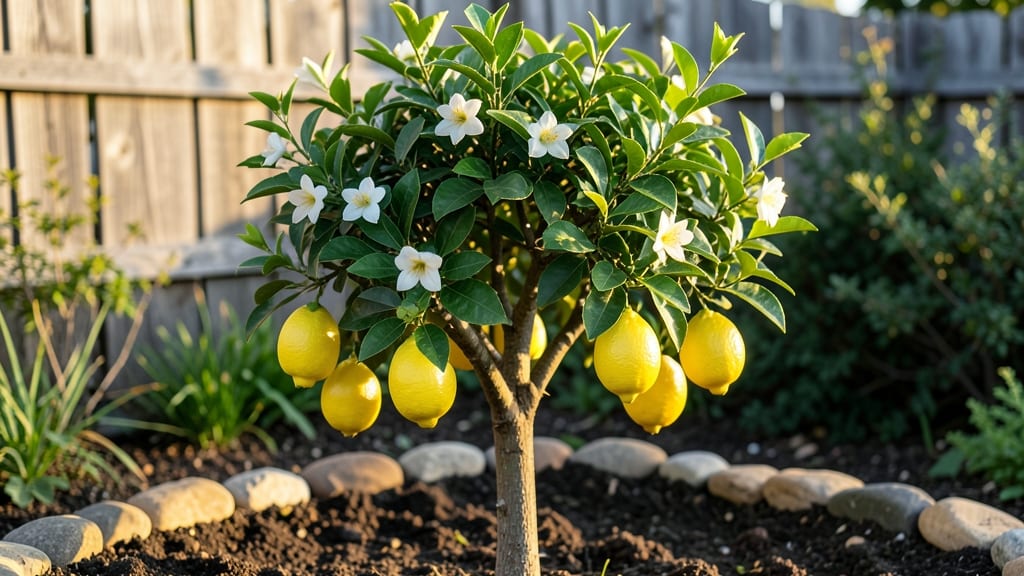
A dwarf lemon tree grows between 4 and 8 feet at maturity, but how tall does a dwarf lemon tree grow depends entirely on the variety, pruning habits, and where you plant it—making it the perfect citrus pick for small yards, patios, or even large containers 🍋.
Dreaming of fresh lemons but limited by space? Dwarf lemon trees offer the perfect solution—delicious fruit without the sprawling size of traditional varieties. But how much room do you really need to grow one?
The answer isn’t just about height; it’s about choosing the right cultivar and giving it the care it needs to stay compact. Popular varieties like the Meyer or Improved Meyer typically max out around 6 feet, while others like Ponderosa can stretch to 8 feet if left unpruned.
With the right pruning techniques and container size, you can even keep them under 5 feet—ideal for balconies or indoor growing near sunny windows.
In this guide, I’ll break down the height ranges by variety, how to control growth with pruning, and whether your dwarf lemon tree thrives indoors or outdoors. By the end, you’ll know exactly how to fit one into your space—without sacrificing those juicy lemons.

Dwarf lemon tree height guide: mature size by variety and growing conditions
If you're wondering how tall does a dwarf lemon tree grow, the answer depends on the variety and growing conditions. Most dwarf lemon trees stay between 4 to 6 feet tall, but some varieties can reach up to 8 to 10 feet if left unpruned.
The key to controlling height lies in selecting the right cultivar and providing proper care from the start.
Popular dwarf varieties like the Meyer lemon typically mature around 6 feet tall in ideal conditions, while the Improved Meyer can grow slightly taller, reaching 7 to 8 feet. The Ponderosa lemon, though not always classified as a true dwarf, can also be kept compact with regular pruning.
Understanding these differences helps you choose the perfect tree for your space.
Sunlight plays a crucial role in determining how tall your dwarf lemon tree will grow. These trees thrive in full sun (6+ hours daily), which encourages healthy growth and fruit production. However, too much shade can lead to leggy growth and reduced fruit yield.
If you're growing your tree in a container, placing it near a south-facing window or in a sunny patio spot will help maintain its compact size.
Container size also impacts height. A 15-gallon pot is ideal for young dwarf lemon trees, while mature trees may need 25-gallon containers to accommodate their root systems. Smaller pots restrict root growth, which naturally limits how tall the tree can become.
However, if the container is too small, the tree may become root-bound and grow more slowly overall.
Pruning is another essential tool for controlling height. Regular pruning in late winter or early spring helps shape the tree and encourages bushier growth rather than tall, spindly branches. Focus on removing vertical shoots and thinning out crowded branches to maintain an open canopy.
This not only keeps the tree compact but also improves air circulation, reducing the risk of disease.
Here’s a quick comparison of how different dwarf lemon varieties mature in height:
For container growers, the Meyer lemon is often the best choice due to its compact size and cold tolerance. It’s perfect for balconies, patios, or sunrooms where space is limited.
If you’re growing outdoors in a garden bed, the Improved Meyer offers a balance between size and productivity, producing more fruit than the standard Meyer.
Temperature also affects growth. Dwarf lemon trees thrive in USDA Zones 9-11 but can be grown in cooler zones with container protection during winter. In colder climates, bringing potted trees indoors or wrapping them in burlap can prevent winter damage and maintain their compact size.
Avoid placing them near drafty windows or heat sources, which can cause uneven growth.
One common mistake is assuming all dwarf lemon trees stay under 4 feet. While they are smaller than standard varieties, they still need space to grow. If you’re growing multiple trees, space them at least 6 feet apart to ensure proper airflow and sunlight penetration.
In containers, avoid overcrowding roots by repotting every 2-3 years to refresh the soil and encourage healthy growth.
With the right variety, container size, and pruning routine, you can keep your dwarf lemon tree at an ideal height for your space. Whether you’re growing it on a balcony or in a large pot, these tips will help you enjoy fresh lemons without sacrificing space or aesthetics. 🍋
How to keep a dwarf lemon tree compact: pruning, container tips, and space-saving techniques
Even dwarf lemon trees can outgrow their space if not properly managed. With the right pruning techniques and container strategies, you can keep your tree at a manageable 3-5 feet tall—ideal for patios or small balconies.
The key lies in understanding when and how to trim, along with selecting the right pot and root management.
Most dwarf varieties like the Improved Meyer lemon naturally stay under 6 feet, but without intervention, they can stretch toward 8 feet or more. I’ve found that regular pruning every 4-6 weeks during the growing season (spring to early fall) is the secret to maintaining a compact shape.
Pair this with the right container size and root pruning, and you’ll have a tree that fits perfectly in your space.
- Choose the right container size: Opt for 15-25 gallon pots to limit root growth naturally. Smaller pots (under 15 gallons) can stunt growth too much, while larger ones encourage sprawling roots.
- Prune new growth in spring: Trim back 1/3 of new shoots to encourage bushier growth. Use clean, sharp pruning shears to avoid damaging branches.
- Practice root pruning annually: Gently tease apart roots at the bottom of the pot to prevent root-bound stress, which can cause sudden height spikes.
- Pinch back tips of branches in summer: This encourages lateral growth and keeps the tree from shooting upward. Focus on the topmost 2-3 inches of branches.
- Apply balanced fertilizer sparingly: Over-fertilizing promotes rapid growth, which can lead to leggy stems. Stick to a 6-6-6 NPK ratio every 6-8 weeks during active growth.
- Provide full sun exposure: At least 6-8 hours of sunlight daily ensures compact, sturdy growth. Partial shade can lead to elongated, weak stems.
- Winter care for height control: Reduce watering and fertilizing in winter to slow growth. Move potted trees indoors if temperatures drop below 40°F to prevent stress-related height surges.
Avoid the common mistake of pruning too late in the season. Trimming after mid-August can stimulate new growth that won’t harden off before winter, leading to weak, leggy stems.
I’ve seen many gardeners unintentionally create taller, sparser trees by pruning at the wrong time. Always prune in early spring or summer for best results.
For indoor growing, place your dwarf lemon tree near a south-facing window to maximize light. If natural light is insufficient, supplement with a grow light for 12-14 hours daily.
I’ve successfully kept potted trees under 4 feet tall indoors by combining proper lighting with monthly pruning and root checks.
If your tree starts growing too tall despite your efforts, don’t panic. Root-bound stress is often the culprit. Repot into a slightly larger container (just 1-2 inches wider) and trim 10-20% of the roots to encourage a more compact growth habit.
This method works wonders for resetting growth patterns without sacrificing fruit production.
With these techniques, your dwarf lemon tree will stay lush, productive, and perfectly sized for your space—no matter how limited it may be. Happy pruning! 🌱