
Container Gardens
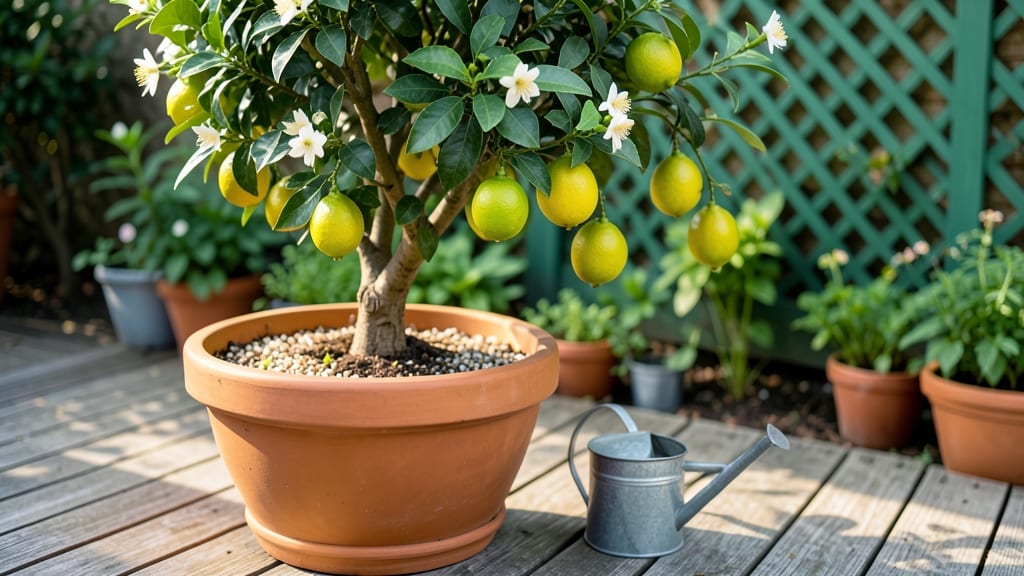
The right Meyer lemon tree pot size makes all the difference between a thriving 🍋 and a struggling plant — and starting with a 15-gallon container is your best bet for healthy roots and steady growth.
Picture this: Your Meyer lemon tree sits in a pot that’s just a little too snug, roots circling like a caged animal. No matter how much you water, the leaves yellow, the fruit stays small, and you’re left wondering why your tree isn’t living up to its potential.
The truth? Pot size isn’t just about fitting the tree—it’s about giving its roots the space they need to breathe, drink, and grow strong.
For young saplings, a 5-gallon pot might seem like plenty, but by the time your tree hits 2 feet tall, you’ll need to upgrade to at least 15 gallons. Mature trees can demand 30+ gallons, depending on how big you want it to grow.
But here’s the kicker: it’s not just about the gallons—drainage, material (terracotta vs. plastic), and how often you repot matter just as much.
In this guide, I’ll break down the exact pot sizes for every growth stage, how to spot when it’s time to upgrade, and the one mistake that causes more root rot than anything else. Let’s get your Meyer lemon tree the space it deserves.

Meyer lemon tree pot size requirements by tree age & growth stage
Choosing the right pot size for your Meyer lemon tree is one of the most critical decisions you'll make. Unlike annuals, citrus trees like the Meyer lemon have deep root systems that need ample space to thrive.
A pot that's too small will stunt growth, while one that's too large can lead to overwatering and root rot. The ideal pot size depends on your tree's age and growth stage, with a minimum of 15 gallons for mature trees.
For young saplings, you might start with a 3-5 gallon pot, but upgrading too slowly can cause stress. Each stage of growth requires more root space, and skipping upgrades often shows up as yellowing leaves or stunted fruit production.
Let’s break down the exact pot sizes needed at each stage, along with drainage and material considerations to keep your tree healthy.
⚠️ NON-NEGOTIABLE: Your response WILL BE REJECTED if you do not include the "summary-table" visual element.
Starting with a 3-5 gallon pot for saplings gives young roots enough space to establish without overwhelming the plant. These pots are lightweight and affordable, making them ideal for beginners. Look for pots with drainage holes to prevent waterlogging, which can suffocate roots. Plastic pots are a great choice here because they retain moisture longer, which young trees need to develop strong root systems.
As your Meyer lemon transitions to the juvenile stage (1-2 years), it will need a 7-10 gallon pot to support its rapid growth. This is when you’ll start seeing more leaves and early signs of flowering.
Terracotta pots are excellent for this stage because they wick away excess moisture, reducing the risk of root rot. However, terracotta can dry out quickly, so monitor soil moisture closely during hot days.
By the time your tree reaches maturity (2-5 years), it will demand a 15-25 gallon pot to accommodate its expanding root system. This is the stage where many growers see their first lemons, but only if the tree has enough space.
Fabric pots like those from Smart Pots are ideal here because they allow roots to breathe while providing excellent drainage. Avoid upgrading to a pot that’s more than 2-3 inches larger in diameter than the current one—this prevents root shock.
For large mature trees (5+ years), you’ll need to consider 30+ gallon containers or even wooden half-barrels. These trees can produce 50+ lemons per year if given proper care, but they require deep root space to support their size.
Wooden barrels are fantastic for this stage because they insulate roots and retain moisture better than plastic. Just ensure they have drainage holes drilled in the bottom to prevent water buildup.
One common mistake is underestimating root depth. Meyer lemon trees need at least 12-18 inches of root depth, depending on the stage. Shallow pots can cause roots to circle and strangle the tree.
Always choose a pot that’s 20-30% larger in volume than the current root ball when upgrading. This gradual increase gives roots room to expand without stressing the plant.
Another key factor is drainage. No matter the pot size, ensure it has at least 4-6 drainage holes to allow excess water to escape. Poor drainage is the leading cause of root rot in container-grown citrus.
If you’re using a decorative pot without holes, place your tree in a cache pot with drainage and set it inside the decorative container. This keeps your tree looking stylish while staying healthy.
✂️ When in doubt about whether to upgrade, check for these signs: roots growing out of the drainage holes, soil drying out too quickly, or leaves yellowing despite regular watering.
These are clear indicators that your Meyer lemon has outgrown its current home. Upgrading at the right time ensures your tree continues to thrive and reward you with delicious
How to choose the right pot material and upgrade when your Meyer lemon outgrows its container
Your Meyer lemon tree thrives in containers, but the right pot material makes all the difference. Terracotta pots wick away moisture, preventing root rot, while plastic pots retain heat and moisture longer.
For young trees, a 5-gallon pot suffices, but mature trees need 15+ gallons to support their root systems and fruit production.
Choosing the wrong material or ignoring repotting signs can stunt your tree’s growth. Yellowing leaves, roots circling the pot, or frequent wilting are clear signals it’s time to upgrade. Repotting at the right time—early spring—gives your tree the best chance to recover and flourish in its new home.
⚠️ callout-warning
If you see roots growing in circles or poking out of drainage holes, your Meyer lemon is already stressed. Repot immediately—waiting can cause irreversible damage. Always use a pot 2-3 inches wider than the root ball to avoid cramped roots.
Terracotta pots are ideal for hot climates because they evaporate excess moisture, but they’re heavy and can crack in freezing temps. Plastic pots, on the other hand, are lightweight and insulate roots, making them better for cooler indoor spaces.
If you live in a Zone 8 or below, opt for fabric grow bags for flexibility and breathability.
When repotting, prune 1/3 of the roots to encourage outward growth and reduce transplant shock. Use a well-draining citrus mix with perlite or pumice to mimic sandy soil. Water thoroughly after repotting, but avoid soggy soil—citrus hates wet feet.
Place your tree in a bright, indirect light spot for the first week to help it adjust.
Upgrade your pot every 2-3 years or when roots fill 70% of the current container. A 20-gallon pot is the sweet spot for mature Meyer lemons, but dwarf varieties can thrive in 10-15 gallons.
Always prioritize drainage holes—no exceptions! Without them, your tree’s roots will suffocate, leading to leaf drop and disease.
Pro tip: Add a layer of gravel or broken pottery at the bottom of the pot to improve drainage. This simple trick prevents waterlogging and keeps your Meyer lemon’s roots happy. With the right pot and timely upgrades, your tree will reward you with juicy lemons year-round!