
Propagation
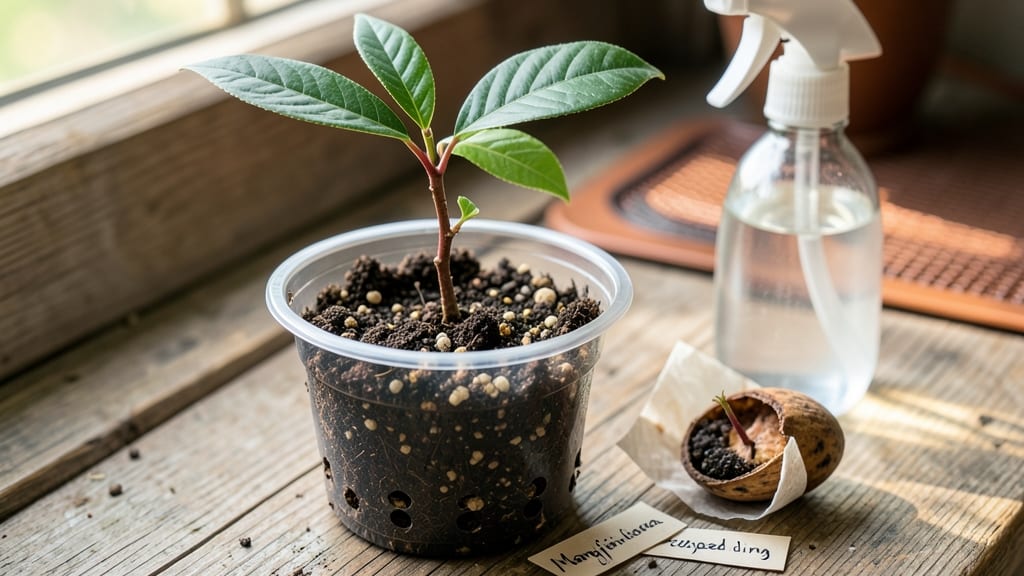
Growing a mango tree from a pit lets you taste tropical fruit without leaving your yard—though it takes serious patience. 🌱 That first pit you save from a grocery store mango might just grow into a 30-foot shade tree with edible fruit, if you're willing to wait a decade or more.
The journey starts with a damp paper towel and a sunny windowsill, but the real magic happens years later when you finally get to pick your own fruit.
Here's the thing—this isn't about instant gratification. Your seedling will grow into a tree, but it might take 5-10 years before it flowers, and even longer to produce fruit worth eating.
That said, the process itself is surprisingly simple: soak the pit, plant it shallowly in well-draining soil, and keep it consistently moist while it sprouts.
Most people give up at this stage, but the real work comes later when you'll need to transplant it outdoors and give it room to grow.
What you end up with is a hardy, drought-tolerant tree that thrives in warm climates. The leaves stay glossy green year-round, and the branches develop that classic mango tree shape. Even if the fruit never matches store-bought quality, the experience of growing your own tropical tree is unbeatable.
Plus, you'll learn valuable lessons about patience, climate adaptation, and long-term gardening that apply to any plant.
Fair warning: this project requires commitment. You'll need to monitor for pests, adjust watering as seasons change, and be prepared for slow growth. But when that first blossom appears—and eventually, that first mango—you'll understand why so many gardeners fall in love with the process.
Start now, and in a decade, you might just have a backyard tropical paradise.
📚 In This Guide
- What you need
- Instructions
- Tips and common mistakes
- Wrapping up and next steps
What you need
- ● 1 fresh, organic mango pit – Choose a ripe, healthy mango (avoid store-bought ones treated with fungicides).
- ● 1 small pot (3–4 inches wide) – Use a drainage hole to prevent root rot.
- ● Well-draining potting mix – A blend of cactus/succulent soil (or regular potting soil + perlite/sand for aeration).
- ● Watering can or spray bottle – Gentle moisture is key!
- ● Clear plastic bag or humidity dome – To create a mini greenhouse effect.
- ● Scissors or sharp knife – For cleaning the pit.
- ● Small hand trowel – For transplanting later.
- ● Fertilizer (balanced, 10-10-10 or citrus-specific) – Once sprouted, dilute to half-strength.
- ● Grow lights or sunny windowsill – If natural light is limited.
- ○ Thermometer (optional) – Mango pits need warmth (70–85°F) to sprout.
- ● Patience! – Germination can take weeks to months.
- ● Warm, humid environment – Mimic tropical conditions.
- ● Space for a mature tree – Mango trees grow 20–30 feet tall (dwarf varieties stay smaller).
Step-by-Step instructions for growing a mango tree from a pit
Here's how to turn a grocery store pit into a thriving tropical tree—with patience and the right care.
🌱 Step 1: Prepare the Pit for Germination
Start by washing the mango pit thoroughly to remove any fruit residue, then let it dry completely. This prevents mold and rot during germination. Place the pit between two paper towels, dampening them just enough to feel slightly moist—not soaking wet. Fold the towels around the pit and secure them with a rubber band or plate.
Store the wrapped pit in a warm, dark place like a cupboard or sealed plastic bag. Check daily and mist the towels if they dry out. Germination can take anywhere from 2-6 weeks, depending on temperature. You'll know it's working when a tiny white root appears first, followed by a sprout.
🪴 Step 2: Plant the Sprouted Pit
Once the sprout reaches about 2 inches tall, it's time to plant. Fill a small pot—at least 6 inches deep—with well-draining potting mix. Make a hole in the center about 1 inch deep and place the pit with the root facing downward. Cover it lightly with soil, leaving the sprout exposed.
Water gently until moisture seeps from the bottom drainage hole, then place the pot in bright, indirect light. Avoid direct sunlight at this stage—it can scorch the delicate young leaves. Keep the soil consistently moist but never soggy. Overwatering is the #1 killer of young mango seedlings.
☀️ Step 3: Transition to Sunlight and Larger Containers
After 4-6 weeks, when the seedling has 4-6 true leaves, it's ready for stronger light. Gradually introduce it to morning sun for a few hours daily, then slowly increase exposure over 2 weeks. Full sun (6+ hours daily) should only be introduced once the plant is 12 inches tall to prevent leaf burn.
Repot into a slightly larger container (8-10 inches deep) when roots start circling the bottom. Use fresh potting mix and water thoroughly after transplanting. This step encourages deeper root growth and prevents the seedling from becoming root-bound.
🌿 Step 4: Maintain Growth for Fruit Production
Once the seedling reaches 3-4 feet tall, it can handle outdoor conditions if you live in a USDA Zone 10-11 or warmer. Harden it off by placing it outside in partial shade for 1-2 hours daily, gradually increasing time over 2 weeks. Fertilize lightly with a balanced citrus/mango fertilizer every 4-6 weeks during growing season.
Mango trees grown from pits are slow to fruit—5-10 years is typical. Prune leggy growth to encourage a bushier shape, and protect young trees from frost with frost cloth or move them indoors. Patience is key: the first flowers may not produce fruit, but with care, you'll eventually get those sweet tropical rewards.
Tips & tricks for growing a mango tree from a pit
Here's what I learned the hard way after watching several mango pits fail to sprout—these tricks make all the difference.
Germination Secret: The key to success in Step 1 isn't just moisture—it's consistency. I learned this after ruining three pits by either overwatering (which causes rot) or letting them dry out completely. Aim for towels that feel like a wrung-out sponge, not a dripping wet washcloth. Place the wrapped pit in a sealed plastic bag with a few small holes for airflow—this creates a humid microclimate that speeds up germination while preventing mold.
Planting Precision: When your sprout reaches that 2-inch mark in Step 2, don't rush the planting. The root system is delicate, so handle the pit gently when making your 1-inch deep hole. I recommend using a pencil to create the hole—it gives you better control than your fingers. Press the soil lightly around the pit (don't pack it down) to avoid compacting the roots, which can strangle new growth.
Light Transition Strategy: The 4-6 week mark in Step 3 is where most beginners make the mistake of moving seedlings too quickly into full sun. Instead of sudden exposure, start with just 1-2 hours of morning sun and gradually increase by 30 minutes every 3-4 days. I've seen seedlings develop sunburn spots when moved too fast—these brown patches never recover and can kill young plants. If your leaves look pale or crispy, you've moved too quickly.
Fertilizer Timing: Wait until your tree reaches that 3-4 foot height before introducing fertilizer in Step 4. Young seedlings don't need extra nutrients—they'll get everything they need from the potting mix. When you do start fertilizing every 4-6 weeks, use half-strength solution the first time to avoid burning tender roots. I've seen many growers over-fertilize early on, which actually stunts growth rather than encourages it.
Pro Tips for Growing A Mango Tree From A Pit
- Here's what I learned the hard way after watching several mango pits fail to sprout—these tricks make all the difference.
- Germination Secret: The key to success in Step 1 isn't just moisture—it's consistency.
- Planting Precision: When your sprout reaches that 2-inch mark in Step 2, don't rush the planting.
Frequently asked questions
Got questions about growing a mango tree from a pit? You’re not alone—this tropical adventure has a few quirks! Here are answers to the most common queries to help you grow with confidence.
How long does it take for a mango pit to sprout?
A mango pit typically sprouts within 3–6 weeks if kept moist and warm. Patience is key—some may take longer, especially in cooler climates. Once the first leaves appear, you’ll know you’re on the right track!
Can I grow a mango tree from a pit in a cold climate?
Mango trees thrive in USDA Zones 10–11, but you can try growing one indoors or in a greenhouse in colder areas. If moved outdoors in summer, use pots for mobility and protect it from frost. Expect slower growth and smaller fruit.
Will my mango tree produce fruit from the pit?
Most mango trees grown from pits are not true to the parent plant—meaning the fruit may differ in taste, size, or quality. For reliable fruit, graft a known variety onto your sapling. Patience pays off: it can take 3–5 years before flowering!
What if my pit rots or molds?
Rotting or mold (fuzzy spots) usually means too much moisture or poor drainage. Let the pit dry slightly between waterings, and ensure your growing medium is well-draining. If mold appears, rinse with water and replant in fresh, sterile soil.
Can I plant the pit directly in the ground?
While possible, it’s riskier—pits planted outdoors may rot or be eaten by animals. Start indoors for better control, then transplant once the sapling is 6–12 inches tall and sturdy. Choose a warm, sunny spot with well-draining soil for best results.
Wrapping up and next steps
Growing a mango tree from a pit is a rewarding journey that blends patience with the joy of nurturing life—literally! 🌱 With the right care, your tiny seedling could one day gift you with juicy, sun-ripened mangoes straight from your backyard.
Start small, stay consistent, and soon, you’ll be savoring the sweet taste of success.
Ready to take the next step? Plant that pit today! Whether you’re a seasoned gardener or a curious beginner, every seedling starts with a single pit. Happy growing! 🌳✨