
Plants
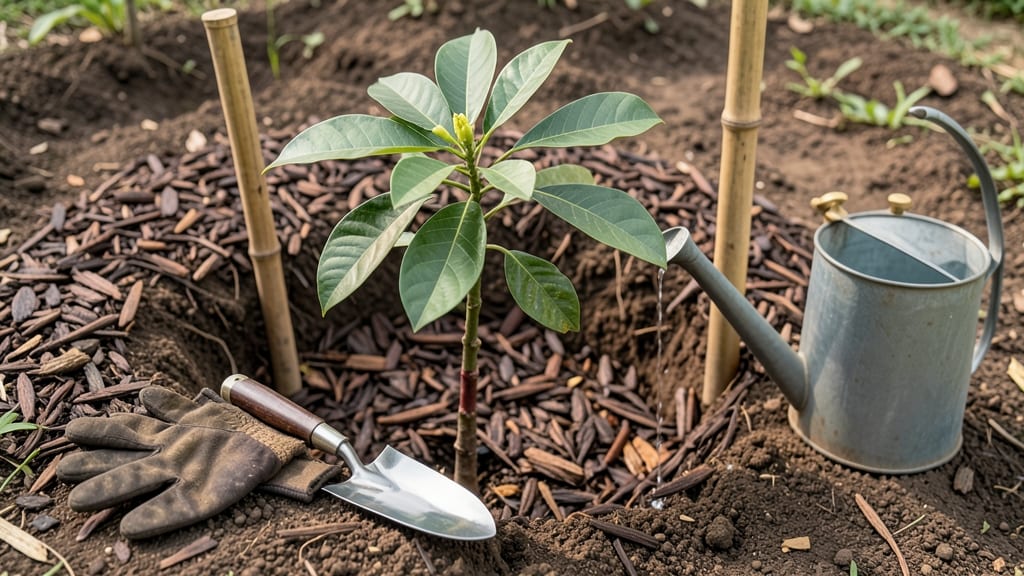
Planting a mango tree 🥭 in ground at the right time means the difference between a thriving orchard and a struggling sapling.
Timing is everything when planting mango trees—get it wrong, and your tree might struggle to thrive, while perfect timing unlocks faster growth and sweeter fruit.
If you live in General (Tropical/Subtropical) zones like 10-11, you can plant year-round, but cooler microclimates like Zone 9b need late winter or early spring to avoid frost damage.
Below, I break down the best months for your zone, how to prep the soil, and when to adjust for faster growth—so you can enjoy those juicy mangos sooner.
Best planting months for mango trees by climate Zone
Mango trees (Mangifera indica) thrive in warm climates, but the perfect planting window depends on your USDA zone and local weather patterns. In tropical zones (10-11), you can plant year-round, while subtropical (9b) and marginal zones (9a) require careful timing to avoid frost damage.
The key is planting when soil temperatures stay above 65°F (18°C) and rainfall is consistent.
For tropical climates, the best months are February through April or November, aligning with the monsoon season for natural moisture.
In subtropical zones, aim for late winter to early spring (Feb-Mar) to give roots time to establish before summer heat. Temperate zones (below 9a) are generally unsuitable, but microclimates near heat-retentive walls can work with container planting.
Soil temperature is critical—roots won’t establish below 60°F (15°C). Use a soil thermometer to confirm warmth before planting.
In dry climates, schedule planting for early rainy seasons to reduce irrigation needs. Mulching with compost helps retain moisture and warmth, which is especially helpful in Zone 9b margins.
| Climate Zone | Best Planting Months | Soil Temp Requirement | Rainfall Needs | Key Consideration |
|---|---|---|---|---|
| Tropical (10-11) | Year-round (peak: Feb-Apr, Nov) | 65°F+ (18°C+) | High (monsoon season) | Avoid drought stress |
| Subtropical (9b) | Late winter (Feb-Mar) | 60°F+ (15°C+) | Moderate (spring rains) | Protect from late frosts |
| Marginal (9a) | Containers only (spring) | 70°F+ (21°C+) | Low (hand-water) | Move indoors in winter |
In tropical zones, planting during the wet season (May-October) leverages natural rainfall, reducing your workload. However, avoid heavy storms that can compact soil and suffocate roots. For subtropical areas, February-March gives roots 3-4 months to establish before summer’s peak heat.
If you miss this window, November is a backup, but expect slower growth.
For container planting in cooler zones, choose dwarf varieties like 'Cogshall' or 'Julie', which tolerate USDA Zone 9a with winter protection. Move pots to sunny, sheltered spots and use heat-retaining fabrics around the base. Never plant outdoors in zones below 9a—even young trees won’t survive frost.
Watch for local microclimates—south-facing slopes or urban heat islands can extend the planting window by 2-4 weeks. Test soil 2 weeks before planting by burying a thermometer 6 inches deep.
If temps dip below 60°F (15°C), delay until conditions improve. Root rot is a major risk in cold, wet soil, so prioritize well-draining locations.
If you’re in a dry climate, schedule planting for late autumn (October-November) to tap into winter rains. In humid subtropical zones, early spring (Feb-Mar) avoids fungal diseases that thrive in soggy soil.
Always amend soil with compost to improve drainage—mango trees hate soggy roots. A slightly acidic pH (5.5-6.5) also encourages root growth.
Pro tip: Soak the root ball for 24 hours before planting to reduce transplant shock. Stake young trees in windy areas and mulch with 3-4 inches of organic matter to lock in moisture.
With the right timing, your mango tree will establish 30-50% faster and reward you with fruit in 3-5 years instead of 7+.
Signs your climate is ready for mango tree planting
Planting a mango tree at the right time ensures strong root growth and faster fruiting. In tropical climates, you can plant year-round, but subtropical zones require careful timing to avoid frost damage. Look for these key indicators before digging in.
First, check your soil temperature. Mango roots thrive when soil stays above 60°F (15°C) consistently. Use a soil thermometer to confirm warmth at least 6-8 inches deep. Cold soil slows root development and stresses young trees.
- 1 Soil Warmth: Test soil at 60°F+ (15°C+) for 3+ days. Use a thermometer at 6-inch depth. Cold soil = stunted roots.
- 2 Rainfall Patterns: Aim for 2-4 inches of rain/month or consistent irrigation. Drought stress = poor establishment. Subtropical zones need summer planting to avoid winter dry spells.
- 3 Frost Risk: Zero frost in 12 months. Even light frost (28°F/-2°C) can kill young mango trees. Check USDA Zone 10+ or microclimates with winter protection (e.g., containers moved indoors).
- 4 Local Bloom Time: Plant 3-4 months before your area’s last frost (if applicable). Example: Zone 9b = plant by March to avoid spring frosts. Tropical zones can plant anytime.
- 5 Leaf Drop Check: Observe native trees. No leaf drop = stable climate. Sudden drops signal cold snaps or drought—wait to plant until conditions stabilize.
Next, monitor rainfall patterns. Mango trees need consistent moisture during establishment, especially in subtropical zones where summer droughts are common. Aim for 2-4 inches of rain per month or supplement with deep watering (15-20 gallons per tree).
For subtropical gardeners, timing matters most. Plant in late winter or early spring (February-March) to give roots time to establish before summer heat. Avoid planting in fall—young trees won’t tolerate winter chills, even in Zone 9b.
Finally, watch for local microclimates. Urban areas with heat islands or coastal regions with milder winters may allow earlier planting. Use a minimum thermometer to track nighttime lows—below 50°F (10°C) stresses young trees.
When all these signs align, your mango tree will thrive from day one. Start planting, and watch it grow into a fruitful tropical giant! 🥭🌱